

What Made to Order Means in Fine Jewelry
The Stellaris Journal
If you have shopped for fine jewelry recently, you have probably seen the phrase "made to order" attached to a price tag and wondered whether it was a description, a sales tactic, or a signal that the piece in question is actually different from the one sitting in the next boutique's window. The honest answer is: it is a description of a production model, and the difference is more concrete than most marketing lets on.
A made-to-order piece does not exist before you commit to it. The design exists, but the physical object is produced once your specifications, including size, metal, stone, and any personalization, are confirmed. That single distinction separates it from both the rings, necklaces, and bracelets that arrive pre-finished in a retail case and from the kind of one-off commission where every proportion is sketched from a blank page.
This piece is about that middle ground. It explains what made to order actually means in fine jewelry, where it sits relative to ready-to-ship and fully bespoke work, and what it asks of the person ordering.
TL;DR
- Made to order means production starts after your specifications are confirmed, not before. The design typically comes from an established collection, but the piece itself is built for your order.
- It sits between two other models: ready-to-ship jewelry (already finished and held in inventory) and fully bespoke commissions (designed from scratch around a new concept).
- Typical made-to-order customizations include ring size, chain length, metal color, engraving, and stone selection, depending on the design.
- Production usually takes a few weeks from confirmed order to finished piece. The Stellaris Collection, for instance, allows approximately three weeks for crafting once final approval is in place.
- The trade-offs are real: longer lead times, more limited return windows for personalized pieces, and a need for accurate measurements up front. The benefits are also real: fit, materials handled with intention, and a piece that exists because you chose it.
What Made to Order Actually Means in Fine Jewelry
Made to order, sometimes abbreviated MTO, describes a manufacturing approach where the jeweler begins producing the piece only after the order is confirmed with specific, agreed-upon options. The pattern itself already exists as part of a jewelry collection; the rendering, technical files, and proportions are worked out. What is not yet built is the metal in your size, the stone set in your ring, the chain at your preferred length.
This is meaningfully different from picking up a finished ring from a display case. A ready-to-ship piece was cast, set, polished, and warehoused before you walked in. It has been handled by stockers, photographed, and may have been tried on by previous shoppers. A made-to-order piece does not yet have that history, because it has not been made yet.
It is also different from full bespoke. As a guide from Antoanetta outlines, made-to-order pieces typically begin with a refined, proven design that you then personalize within a defined set of options. A bespoke piece, by contrast, starts with a concept that has never existed, moves through sketches, CAD, and prototypes, and ends in a one-of-one object.
So the simplest way to state it: made to order is what happens when a jeweler takes an established design and builds it fresh, with your choices applied, rather than pulling it from a shelf or designing it from zero.
Where Made to Order Sits Between Ready-to-Ship and Bespoke
Three production models dominate fine jewelry, and they answer three different buyer questions.
Ready-to-ship answers: do you want to take it home today? The piece is finished, sized within a limited range, and waiting. The upside is immediacy. The downside, as JMW Jewelry and several other studios have noted, is that you are adapting to whatever happens to be in stock. Ring sizing is constrained. Chain length is constrained. Engraving is often impossible after the fact.
Fully bespoke answers: do you want something no one else has? The design is built around your story, your measurements, and your specifications. Every detail is up for negotiation. The cost is time, money, and the need for clearer communication during the design phase. Our Craftsmanship Unveiled guide walks through that process in detail.
Made to order answers: do you want a refined design, built well, with the details that matter to you? The pattern is proven, the engineering is settled, and the maker can focus on craft rather than invention. You choose what is worth personalizing, the maker handles the rest.
Here is how the three models stack up:
- Ready-to-ship. The design exists, the piece exists, and inventory exists. You take home what is on hand, within whatever sizes happen to be stocked.
- Made to order. The design exists, but the piece is built for you. You choose from a defined set of options (size, metal, stone, engraving, length) and the maker produces against your specification.
- Fully bespoke. The design does not yet exist. You and the maker develop it together, from concept to prototype to finished piece.
The Atila manufacturing team makes a related point on the production side: made-to-order aligns manufacturing with confirmed demand, which is why premium and luxury brands increasingly rely on it for pieces where exclusivity and craft both matter.
What You Can Typically Customize in a Made-to-Order Piece
The exact menu of options depends on the design, the setting, and the maker. Not every change is appropriate for every piece, and a responsible studio will tell you when a request would compromise the integrity of the work. In general, the following options are widely available.
Ring sizing, including half sizes and quarter sizes for finer adjustments, is the most common request. Eternity bands and full-set diamond bands can be notoriously difficult to resize after completion, so ordering in the correct size from the start is meaningful.
Chain and necklace length is the second most common. A 16-inch chain sits closer to the collarbone; 18 inches is the classic everyday length; longer lengths sit over a blouse or dress. Adjustable mechanisms, like the slider system JMW describes, can add further flexibility for pieces meant to be worn at different lengths.
Metal choice is often available within a design family. Yellow, white, and rose gold are common. Platinum is typically offered for designs where it makes structural sense.
Engraving transforms a piece into a private reminder of a wedding, an anniversary, a birth, or a shared promise. The choice of text, font, and placement matters more than most buyers expect, especially on smaller surfaces where spacing is constrained.
Stone selection can range from choosing between natural and ethically sourced lab-grown diamonds to selecting a specific stone from a curated shortlist. Natural stones are individuals by nature, so a brief on hue and clarity is wise before approval.
What is generally not customizable in a made-to-order context is the fundamental geometry of the piece. You are not redesigning the ring; you are specifying how it is built for you.
How a Made-to-Order Piece Actually Moves Through the Studio
The exact production sequence varies by maker, but the rhythm is recognizable. Once an order is confirmed with a clear specification sheet, several things happen in order.
First, materials are staged. Gold alloy, casting grain, or mill product is pulled. Diamonds or colored stones are matched to the approved parameters. At The Stellaris Collection, this is also when a final invoice and production proposal is issued before fabrication begins.
Second, the piece is fabricated. Casting, hand assembly, stone setting, and finishing all happen against the confirmed spec. For most fine jewelry, this phase takes about three weeks once approvals are in place, though complexity can extend that window.
Third, the piece is inspected. Each setting is checked, each stone is tested for security, and the surface is reviewed for finish consistency.
Finally, the piece is shipped, fully insured, with delivery and any customs handling on top of the production time.
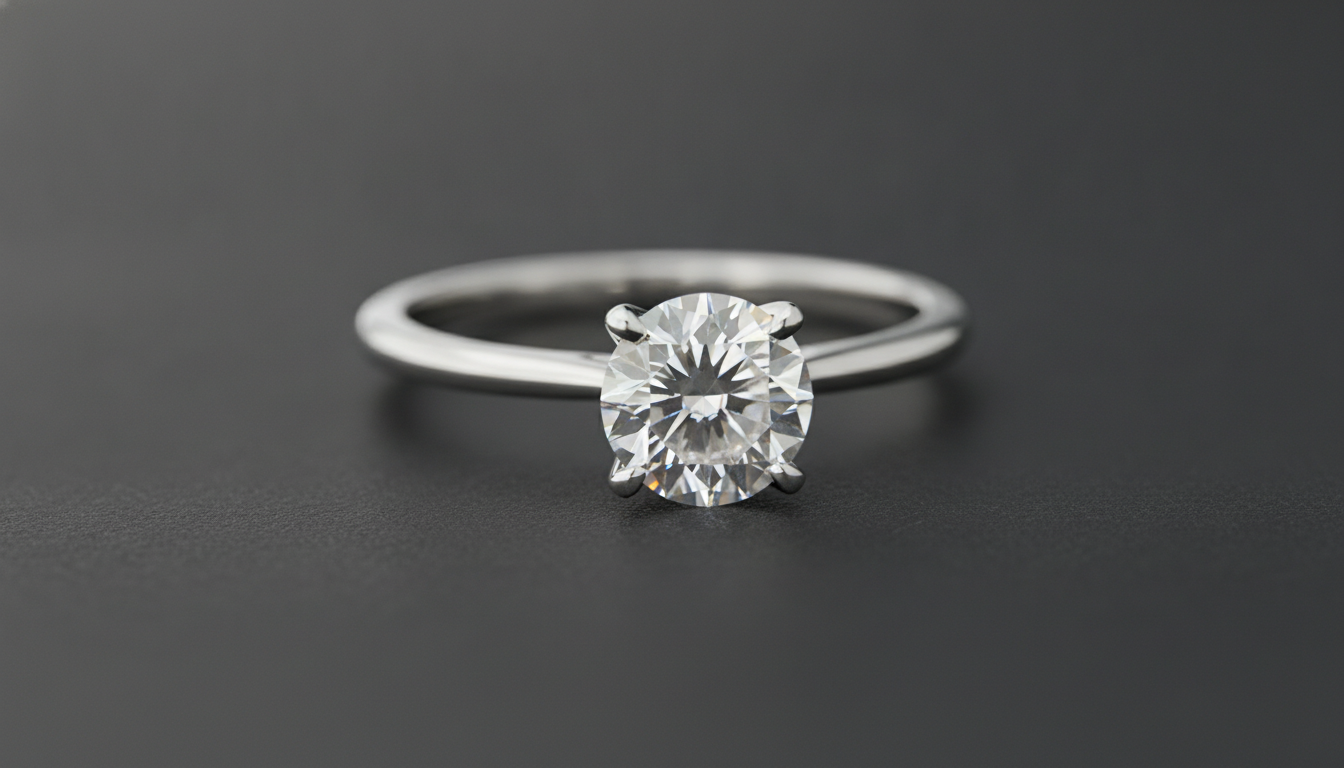
This is the operational reality that distinguishes made to order from inventory. Nothing is sitting on a shelf waiting for a buyer. The piece comes into existence because an order exists.
Why Studios Choose Made to Order in the First Place
There is a brand-side logic to made to order that explains why so many luxury studios have moved toward it, and it is worth being direct about that logic because it shapes what you, the buyer, experience.
Made-to-order production eliminates stock risk for the maker. Rather than forecasting demand and producing inventory that may sit unsold, the studio produces only what has been ordered. For premium pieces, controlled releases, or styles where demand is variable, Atila's analysis notes that this approach tends to drive efficiency and protect margin.
It also supports sustainability claims more honestly than inventory-heavy production. As Robinson's Jewelers puts it, the model is closer to a chef buying only the groceries needed for the dish being prepared that evening. No excess gold sitting in a drawer, no diamond melee gathering dust, no carbon footprint from storing unsold stock.
For the buyer, this translates into two practical things. First, the piece is fresher. It has been touched only by the jewelers who made it. Second, the production is more intentional. Each piece serves a defined purpose, and the studio can afford to give individual attention to the run of work in front of them.
Trade-offs Worth Naming Openly
Made to order is not universally better. It is a different model with different trade-offs, and a discerning buyer should know them before committing.
The biggest practical issue is lead time. If you need a piece by a specific date, you need to plan backwards from production plus shipping. For most studios, that means ordering weeks ahead, not days. The Stellaris Collection's custom jewelry page is candid about this: timelines may vary slightly depending on complexity.
Returns and exchanges are typically more limited than with ready-to-ship inventory. A piece engraved with a specific date, set to a non-standard size, or built with a particular stone configuration is harder to resell as stock, which is why many studios mark such pieces final sale or apply narrower return windows. This is not a sleight; it is the natural consequence of personalization.
Accurate measurement matters more than ever. If the ring size on the order is wrong, the piece has to be remade rather than resized off the shelf. Taking fifteen minutes to measure properly, or asking a jeweler to confirm, is well spent.
None of these are dealbreakers. They are simply the shape of the model.
When Made to Order Is the Right Choice
Made to order fits a specific kind of buyer. You want a refined design, not a sketch on a napkin. You care about fit, materials, and the experience of receiving something that has been built for you. You are not in a rush, or you are willing to plan around the production window. You are comfortable specifying details once and trusting the maker to execute.
If, on the other hand, you need a piece in hand this week, or you genuinely want a design that has never existed before, ready-to-ship or full bespoke will serve you better. Knowing which model you actually need is the first step toward a satisfying purchase.
If you would like to see how this works in practice, our Design Your Own Jewelry page walks through the studio's approach, from initial concept or collection starting point through final stone selection, payment, and the three-week crafting window. You can also explore the existing rings, earrings, necklaces, and bracelets collections to get a feel for the designs that are available made to order.
Made to order is, in the end, a deliberate choice on both sides. The studio commits to building only what has been asked for. The buyer commits to specifying clearly and waiting for the work. When both sides hold up their end, the result is a piece that exists because you chose it, made by hands that knew exactly who they were making it for.
