

How to Sell a Patek Philippe Through a Concierge Sale
The Stellaris Journal
A Patek Philippe is not a generic luxury watch. It is one of the most closely followed names in the secondary market, and the process of selling one carries different stakes than offloading a watch from a more common maison. The right buyer, the right documentation, and the right handling can each shift the outcome significantly. The wrong one can leave a seller with a check that does not reflect what the piece is actually worth.
This article walks through what a concierge-led sale looks like for a Patek Philippe, not as a sales pitch, but as a clear walkthrough the seller can use to evaluate any option they are considering. It is grounded in how the pre-owned market for the maison actually behaves in 2026, and in the kind of support a concierge model is designed to provide.
Why a Patek Deserves a Different Approach
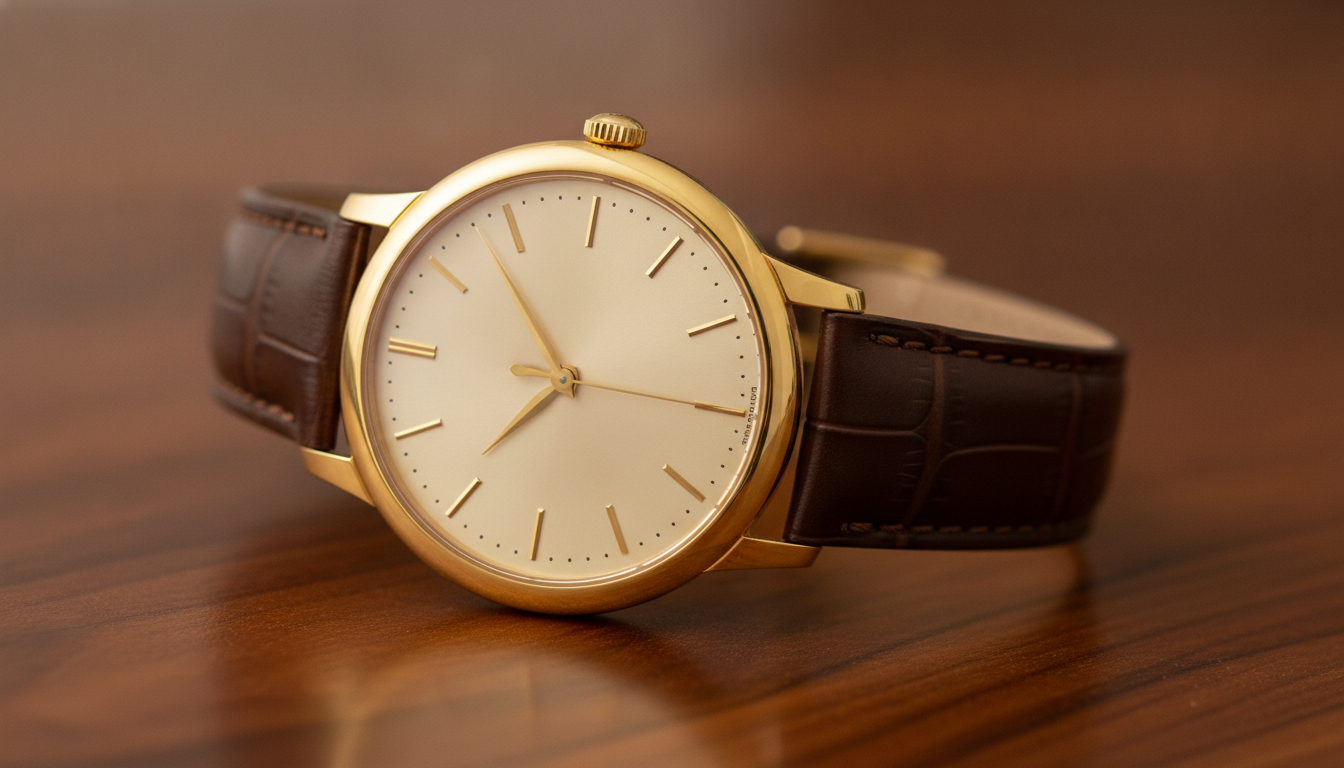
Patek Philippe sits in a small group of maisons whose secondary market behaves differently from the broader watch resale market. The brand produces roughly sixty thousand pieces a year according to a 2026 market analysis from Luxury Watches USA, and collectors track individual references with the same attention that art collectors pay to specific editions. A Nautilus 5711/1A is not interchangeable with a Calatrava 5196, and a perpetual calendar is not priced like a World Time. The reference, the complication, and the production era each influence what a piece can realistically command.
The market also moves in patterns that sellers should understand. Secondary pricing for Patek watches has stabilized after the post-2022 correction, with 2026 showing roughly a 4% price stabilization in the market according to Luxury of Watches. That is a quieter backdrop than the speculative peaks of 2021 and 2022, and it means a careful seller is more likely to find a realistic buyer than an inflated one. It also means pricing expectations should be calibrated against recent comparable transactions, not against what a piece was once listed for at the height of the market.
A Patek also carries documentation weight that other watches do not. Original papers, the Certificate of Origin, the box, service records from Patek Philippe themselves, and the Extract from the Archives all meaningfully affect the conversation. A 2026 industry source notes that full-set examples command a 10–20% premium over incomplete pieces, and the same source estimates that sellers who handle documentation and condition carelessly leave 15–30% on the table (Luxury Watches USA). For a maison where the difference between a thoughtful sale and a careless one can run into five figures, the case for a guided process is structural, not cosmetic.
That is the backdrop against which concierge support is evaluated. Not as a luxury layer, but as a working method designed for a market where the variables matter.
What Concierge Support Looks Like at the Seller's End
"Concierge" is a word that gets used loosely. In the watch world it can mean anything from a personal contact at a dealer to a sourced acquisition service run for buyers. Applied to selling, it describes a model in which one specialist handles the seller from the first conversation through the final settlement, rather than handing the piece off to an internal pipeline.
In our practice, that model operates through a single point of contact from initial inquiry to delivery. The contact page describes the approach directly: every inquiry is handled with discretion, precision, and personal accountability, and the seller can speak with a private client specialist for acquisitions, sales, trade-ins, or custom commissions (The Stellaris Collection Contact). The relevant facts for a seller are direct access, a named point of contact, and an explicit commitment to consistency across the entire transaction.
Patek Philippe fits naturally into this kind of model because the maison's pieces are exactly the sort that benefit from careful handling. A specialist who is familiar with the reference, the complication, and the documentation expectations is in a stronger position to evaluate a piece accurately and to present it to a buyer who will recognize what they are looking at. That is also the kind of handling that supports the 100% authenticity guarantee we apply to every timepiece we list, and the transparent pricing methodology that accompanies it (The Stellaris Collection FAQ).
The concierge frame, in other words, is not a marketing flourish. It is a working approach tailored to a category where the variables are real and the margin between a fair outcome and a poor one is wider than it is for most luxury goods.
What to Gather Before the First Conversation
The most productive Patek conversations start with what the seller already has. Three categories of preparation matter, and each one shapes the buyer's view of the piece before any negotiation begins.
Documentation
The original Certificate of Origin is the single most useful document. It records the reference, the calibre, the original date of sale, and the authorized retailer. The box, the instruction booklet, and any original purchase receipt strengthen the set. Service records from Patek Philippe themselves, if the watch has been serviced, are equally valuable. Together, a complete set is what underwrites the 10–20% premium observed in current secondary-market data (Luxury Watches USA).
A sale can still proceed without papers. The watch itself carries serial numbers, hallmarks, and movement characteristics that are independently verifiable, and a Patek Philippe Extract from the Archives can be requested separately through the maison itself when the original documents are no longer available (Bob's Watches). A seller who knows what they have, and what they no longer have, lets the conversation move faster.
Condition
Condition is the second variable. Honest wear consistent with the piece's age, light surface marks on the case or bracelet, and a service history that tracks the watch's life are all positive signals. Signs of polishing on sharp facets, replaced components that no longer match the original finishing, or aftermarket modifications to the dial or hands are not. A specialist who handles Patek pieces regularly can read these signals quickly, and a seller who has set realistic expectations on condition saves both parties time.
Reference and Market Context
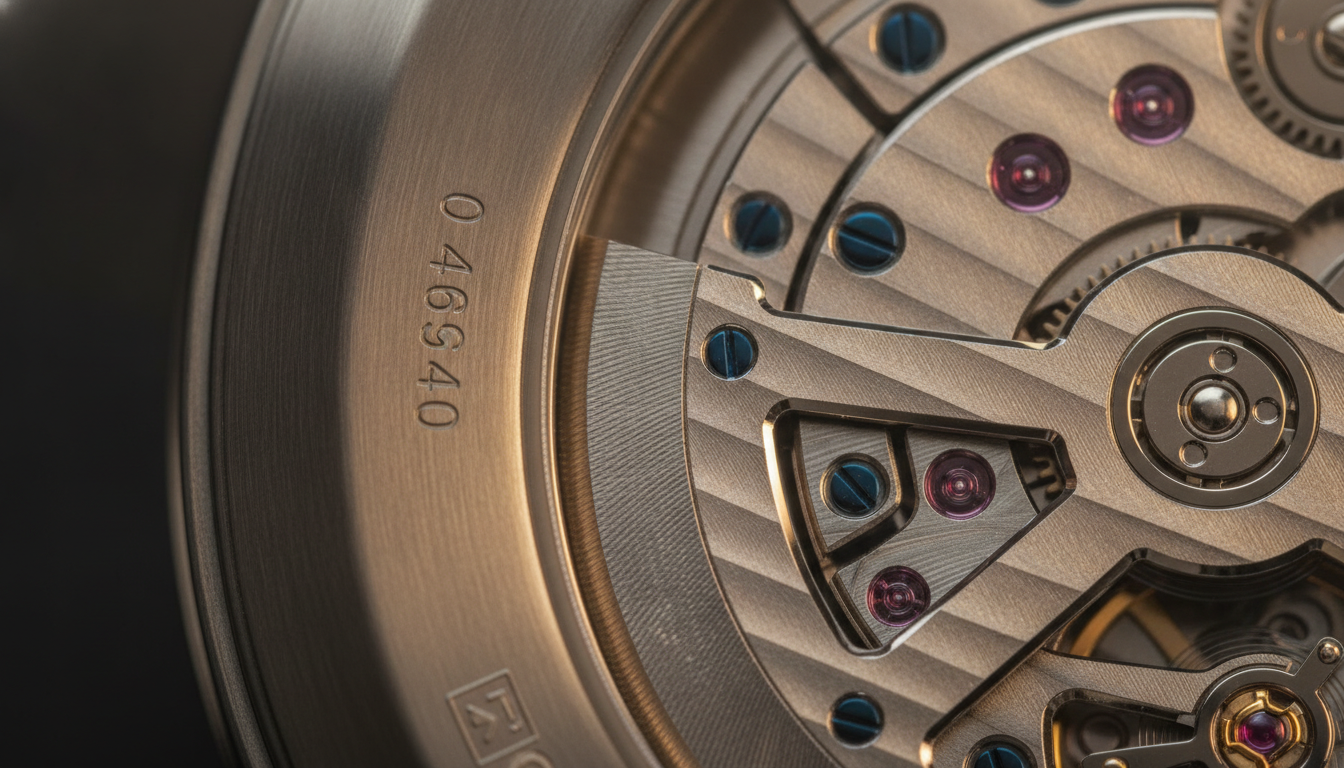
The third piece is reference. A seller who can identify the specific reference, the year of production, and the complication set has a much stronger position than one who simply knows they have a Patek. Two otherwise similar pieces can differ by tens of thousands of dollars based on these details. Recent comparable sales, available through auction records and major pre-owned platforms, give the seller a working calibration before any conversation begins.
A short list prepared before the first call is genuinely useful: the reference number, the approximate year of purchase, the documentation on hand, the service history, and any known provenance. This is the kind of preparation that turns a first conversation into a productive working session rather than a discovery call.
How the Process Typically Unfolds
A concierge-led sale follows a recognizable shape, even when the specifics shift. The steps below describe the typical arc, not a rigid promise, and any reputable buyer should be willing to walk through a seller-facing version of them.
Initial Conversation and Reference Check
The first contact is a direct discussion with the specialist handling the piece. The seller provides the reference, condition notes, and documentation, and the buyer forms an initial view of the watch's positioning. This is also where the seller should ask how the buyer will authenticate the piece, what happens if the documentation is incomplete, and what kind of timeline they should expect. A specialist who answers these questions directly is in a different category from one who deflects.
Independent Authentication
Before any agreement is finalized, the piece is authenticated independently. Our published practice states that every piece is authenticated on arrival, undergoes a multi-point inspection, and is reverified before shipment, with the 100% authenticity guarantee applied to every listing (The Stellaris Collection FAQ). Across the broader market, the standard approach includes serial verification, movement examination, documentation review, and provenance validation (Timepiece Trading). The seller should know which entities are performing the check, whether the authentication is returned to the seller in writing, and what happens if the piece raises questions during inspection.
Pricing and Agreement
Pricing for a Patek on the secondary market is grounded in current comparable sales, not in what the piece was once worth or what the seller hopes to recover. A transparent buyer will show the comparable data and explain the rationale. Consignment and direct sale are both legitimate structures, and the choice between them depends on whether the seller values speed or maximum realization. The tradeoffs are documented in our consignment vs. direct sale guide, and the right answer depends on the seller's own timing and objectives.
Logistics and Settlement
Once an agreement is in place, the watch is shipped using insured logistics. Domestic and international shipping for high-value items is a documented part of our process, and any seller should expect insurance coverage, secure handling, and a clear chain of custody from pick-up to settlement. Payment completes the transaction, and the seller retains a record of the sale for personal records.
What Concierge Support Does Well, and Where It Has Limits
A concierge model is well matched to Patek Philippe for a reason. It centralizes the variables that matter most: authentication, documentation review, pricing rationale, and the presentation of the piece to a buyer who recognizes it. It also gives the seller a single contact who is accountable for the experience, which is a meaningful improvement over a process that moves between departments.
At the same time, the model has clear limits that sellers should weigh honestly. A concierge buyer is one buyer among many, and the offer reflects that channel's internal pricing, not the universe of possible outcomes. A stone-set Patek or a rare complication may be better served by a public auction, where competitive bidding can produce a different result. Phillips' sale of a 1943 Patek Philippe Perpetual Calendar Chronograph Ref. 1518 in stainless steel at CHF 14,190,000 is a reminder that the rarest references can attract a different audience entirely when the venue is right (Screw Down Crown). The same logic applies in the opposite direction: a common reference with limited documentation will not benefit from a premium channel it does not warrant.
The honest answer is that concierge support is one strong option among several, and the right choice depends on the specific piece, the seller's timeline, and the seller's tolerance for the marketing process that consignment entails. No single channel is optimal for every Patek, and a specialist who pretends otherwise is not being precise.
Questions Worth Asking Any Buyer
A short list of questions, asked before any paperwork changes hands, will tell a seller most of what they need to know.
- How will the piece be authenticated, and by whom? The answer should reference independent verification, not internal review alone.
- What documentation is expected, and what happens if the original papers are missing? A confident buyer has a clear path for both scenarios.
- How is the offer priced, and on what comparable sales? Pricing should be explainable, not asserted.
- What is the timeline from agreement to settlement? A buyer should be able to outline the steps.
- What insurance covers the piece during transit and while in the buyer's care? Coverage should be explicit, not assumed.
- What is the structure if the seller prefers consignment over a direct sale? Both should be available, with the tradeoffs explained.
These are not adversarial questions. They are the questions a specialist should welcome, and the answers should be specific. A buyer who treats the conversation as a serious one is most likely to handle the transaction as a serious one.
A Calm Approach to a Patek Sale
Selling a Patek Philippe is a process that rewards preparation, realism, and a working relationship with a specialist who treats the piece with the seriousness it deserves. The concierge model exists because the maison's watches benefit from careful handling, and because the documented variables, from authentication to pricing to shipping, are easier to navigate with a single accountable contact.
The most useful posture for a seller is neither urgency nor patience for its own sake. It is clarity about what the piece is, what it is worth in current market conditions, and what kind of process the seller is comfortable with. From there, the right buyer is the one who can explain the rest.
For a direct conversation about a specific Patek, our team is reachable at (213) 444-0926 or through info@thestellariscollection.com. The same team handles acquisitions, sales, trade-ins, and custom commissions, and every inquiry is treated with the same level of discretion.
