

How a Curated Pre-Owned Watch Earns Its Place on the Floor
The Stellaris Journal
Every pre-owned watch that reaches our display floor has already cleared a specific sequence of checks. Pieces arrive through private trades, vetted partners, and collector consignments. Not every offer results in a listing. The ones that do share three things in common.
This is not a marketing checklist. It is a description of how intake actually works at a curated pre-owned dealer, written for buyers and sellers who want to understand what the requirement looks like from the inside. The three criteria are the same ones any serious dealer should be able to describe. Publishing them is part of how we make the process legible.
The pre-owned market has grown past the point where a seller's word carries the weight it once did. Industry estimates now place the global secondary luxury watch market at roughly $23 billion in 2024, with growth continuing to outpace new-retail sales (WiseGuy Reports, 2026). Counterfeits have grown more sophisticated. Movement swaps, cloned serial numbers, and dial replacements are now routine patterns rather than occasional cases. The broader global luxury watch market is valued at approximately $52 billion in 2025 (Dataintelo, 2026), with the pre-owned segment representing a fast-growing share of that figure. That volume creates opportunity, and exposure, in equal measure.
The three criteria below are what a pre-owned watch must meet to earn a place on our floor. They are written for anyone evaluating a piece, whether through us, through another dealer, or privately.
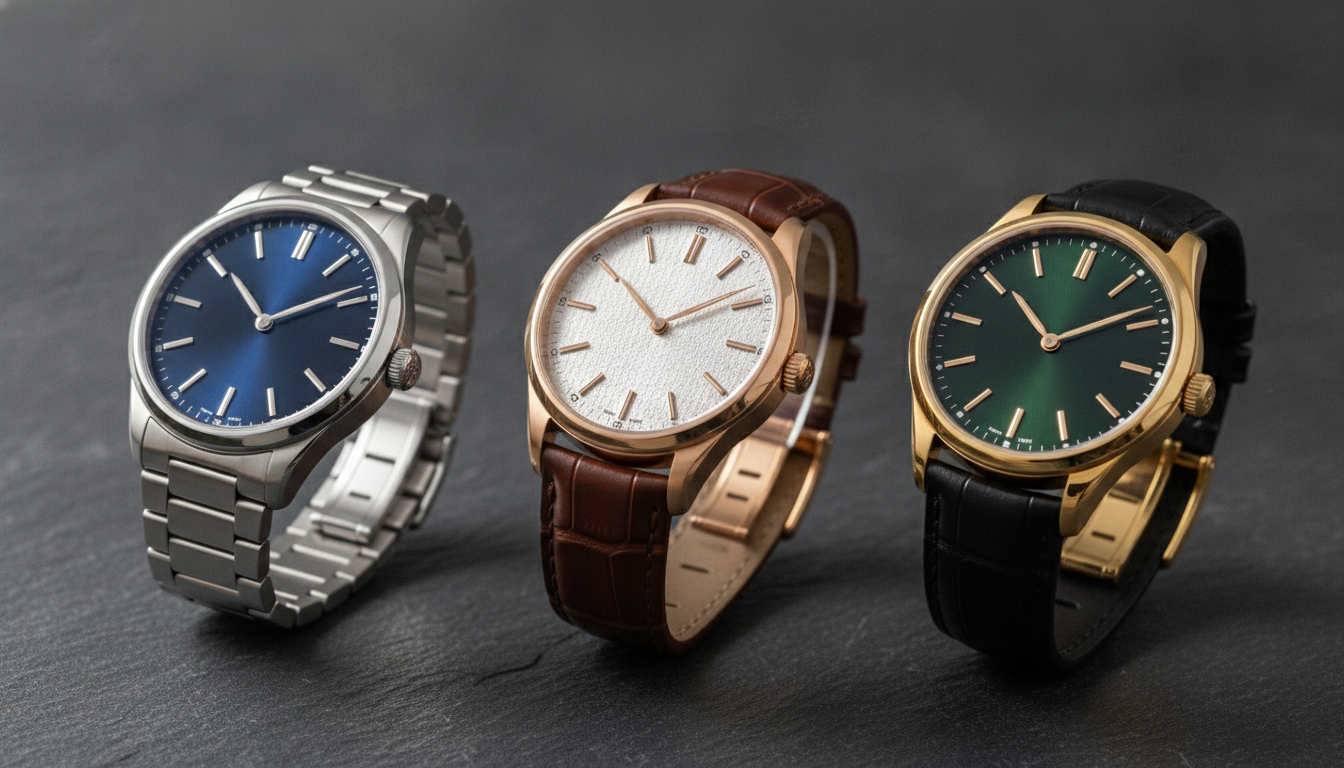
TL;DR
- Authenticity, verified by independent inspection. Every piece is authenticated on arrival, undergoes a multi-point inspection, and is reverified before shipment. No piece is listed without passing that process.
- Respected maison, documented origin. Inventory is drawn from a defined set of recognized watchmakers, with chain-of-ownership details recorded where available.
- Mechanical or collector significance. Pieces are selected for design, mechanical significance, or enduring collector appeal, not for short-term resale velocity.
Why These Criteria Exist
The pre-owned watch market is now large enough that almost any reference can be found somewhere. The question is no longer whether a piece is available. It is whether it is available from a source that has done the work to put it on the floor correctly.
The standards applied to certified pre-owned pieces have tightened over the past several years. As one industry source describes it, every certified pre-owned watch "goes through a painstaking, multi-point inspection by expert watchmakers" who verify individual components "from the movement's tiniest screw to the clasp on the bracelet" (ECI Jewelers). Independent inspection, not seller reputation, is the meaningful safeguard.
For a curated pre-owned dealer, that means intake decisions cannot be made on brand recognition alone. Authentication alone is also insufficient. A watch that passes both tests but carries no collector relevance does not justify the work required to present it. The three criteria below address authentication, provenance, and editorial significance in sequence.
Criterion 1: Authenticity, Verified by Independent Inspection
Authenticity is the threshold. Our published standard is straightforward: every piece in our inventory, whether new or pre-owned, is covered by a 100% authenticity guarantee. That guarantee is backed by a defined process: authentication on arrival, multi-point inspection, and reverification before shipment (Stellaris FAQ).
The reason this is the first criterion is structural. A watch that does not pass inspection does not reach the floor. It is not listed, priced, or offered. There is no internal tier for pieces that "nearly passed." The guarantee either holds for the buyer or it does not exist.
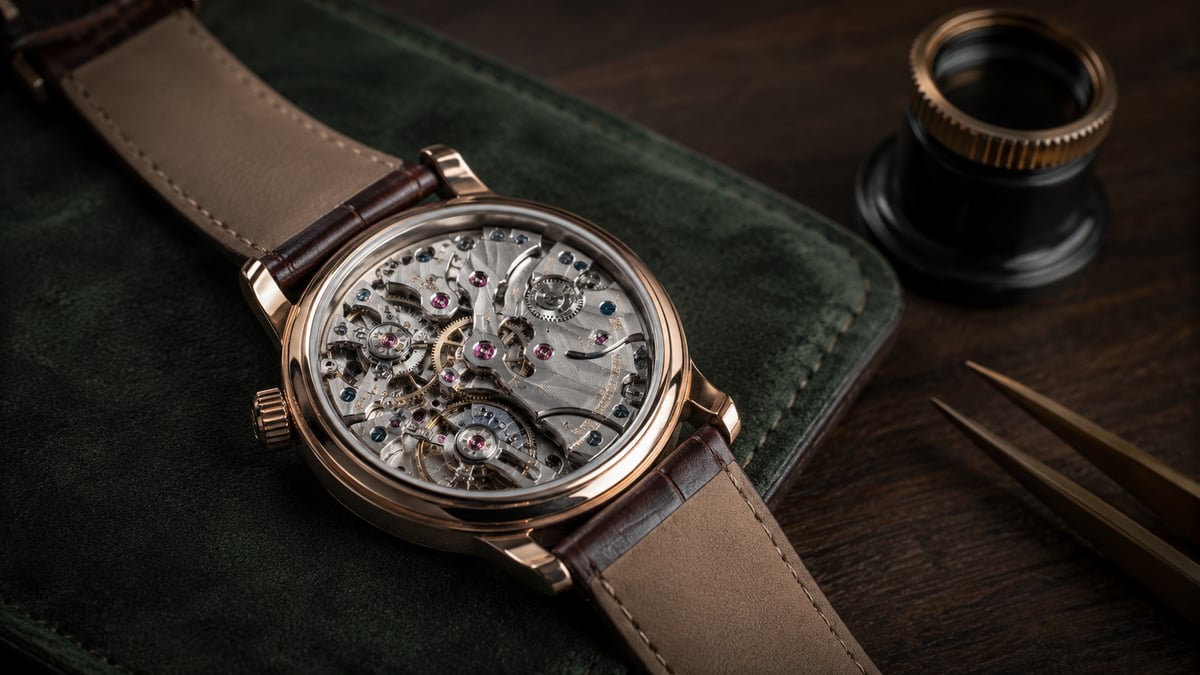
The practical mechanics of inspection have changed materially. Counterfeit operations now produce pieces that defeat casual inspection. Modern authentication, as one industry source describes it, "relies on the precise physical inspection of specific microscopic design elements. Serial numbers, case engravings, the sapphire Cyclops lens, movement characteristics, and material density are far more important than papers alone" (Luxury Watches USA). Specialist inspection frameworks typically cover movement authenticity, caseback engravings, bracelet and clasp details, and service history (TrueFacet).
For sellers, the practical implication is that authentication is not a courtesy step. It is the test that determines whether a piece has a path to listing. For buyers, the implication is that the inspection record exists before the price is set, not as a follow-up step after a transaction is proposed.
Criterion 2: Respected Maison, Documented Origin
Once a piece has cleared inspection, the next question is who made it and how it came to us. We source from a defined set of recognized watchmakers: Rolex, Audemars Piguet, Patek Philippe, Vacheron Constantin, F.P. Journe, Richard Mille, and a small number of additional maisons whose work meets our standard. The full list is published on our authenticity page. We are not authorized dealers of any of these brands, and we have no affiliation with them.
That distinction matters for two reasons. First, it sets the scope of what we are willing to consider. Pieces from outside our recognized brand list are not categorically rejected, but they require a heavier case for inclusion. The market for watches from lesser-known or defunct makers is real, and it is not what the floor is built around.
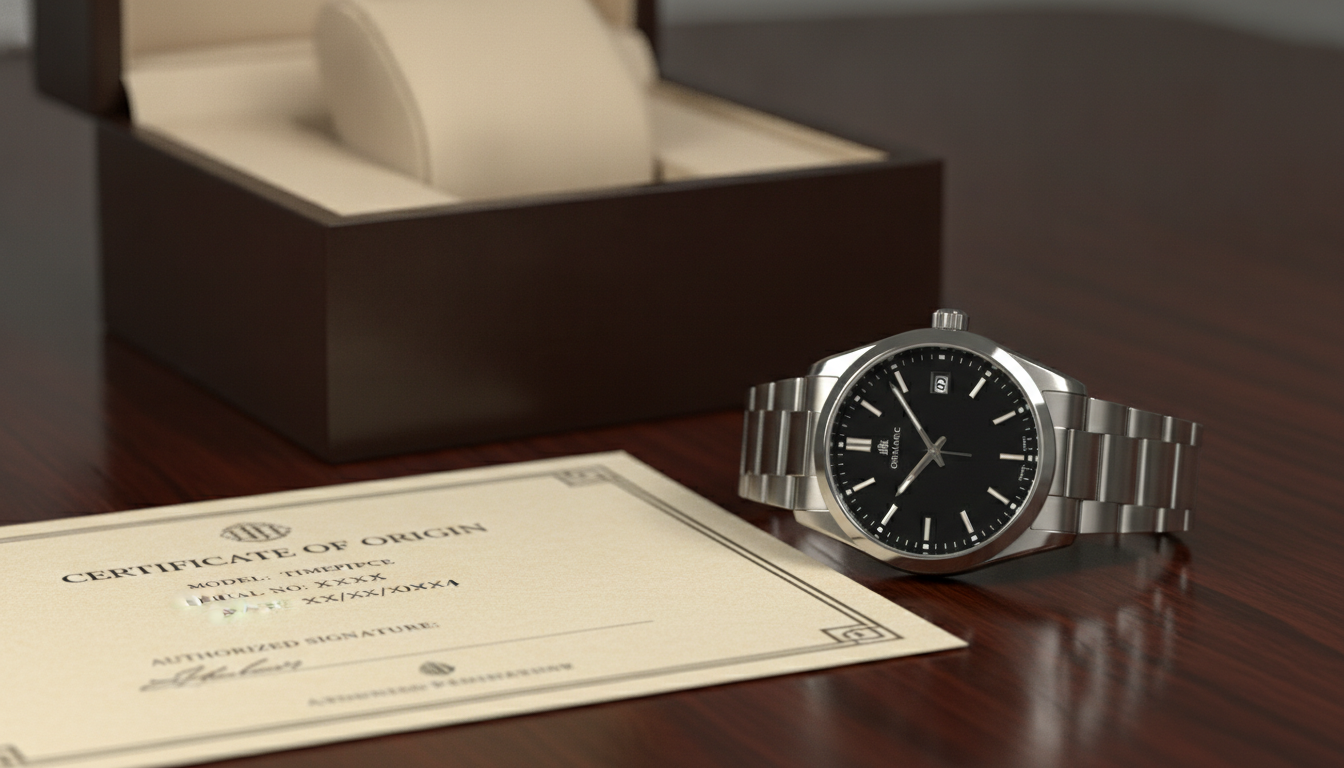
Second, documented origin affects how a piece is presented. A watch with a known acquisition history, original boxes, certificates, and service records is positioned differently from one that arrives without provenance. Both can be listed, but the pricing framework, client disclosure, and risk profile are not the same.
Documented origin operates on a spectrum rather than a binary. A box and papers set is not required, but its absence is reflected in pricing and in the level of transparency the buyer is owed. A watch with a single prior owner, known service history, and matching serial numbers is a different listing than one with multiple owners and partial documentation, even when both are authentic.
For buyers, this criterion answers a question they often raise but rarely see addressed: how was the piece sourced, and what records support it. For sellers, it sets a realistic expectation. The better the documented history, the cleaner the path to listing.
Criterion 3: Mechanical or Collector Significance
Authentication confirms what a watch is. Provenance confirms where it came from. The third criterion asks whether the piece merits a place on the floor at all.
Our selection criteria prioritize mechanical significance and enduring collector appeal. That framing is deliberate. The collection is not a catalog of every available reference from the brands we carry. It is a curated list of pieces that justify the time required to source, inspect, condition, and present them.
In practice, this criterion filters in three ways. The maison must be one whose work we consider materially significant. The specific reference must have a recognizable design or mechanical identity. And the watch must be a piece we can present with confidence to a collector who knows the segment.
A few illustrative examples clarify the line. A Patek Philippe perpetual calendar with documented service history clears the bar. A Rolex Submariner with original dial and bezel clears the bar. A vintage Omega Constellation in honest condition clears the bar. A recent-production fashion-brand watch with a quartz movement and limited collector following does not, regardless of what inspection reveals. These examples are illustrative of the criterion, not descriptions of specific pieces currently in inventory.
The reason this filter exists is operational as much as editorial. A pre-owned piece that sits on the floor without moving is a cost that does not generate return. Curation is the mechanism that prevents that. It is also the mechanism that keeps the collection coherent for the buyers who return to it.
For sellers, this criterion is the one that most often produces a polite decline. A piece may be authentic, from a respected maison, and still not be a fit. The honest answer in those cases is that the reference is not aligned with how the collection is built, or that the timing and presentation requirements do not match current floor composition.
What These Criteria Mean for a Buyer
For anyone considering a pre-owned purchase, the three criteria above translate into three questions worth asking any seller:
1. How was the piece authenticated, and what does the inspection process look like in practice?
2. Where did the piece come from, and what documentation supports that history?
3. Why is this specific reference on the floor, and what is the editorial reasoning behind including it?
A seller who can answer those three questions clearly is operating to a defined standard. A seller who cannot, or who dismisses them as unnecessary, is not.
These are not academic questions. They are the same questions we apply to our own inventory before a piece is listed. The fact that they are also the right questions to ask elsewhere is the point. The same framework that governs intake should govern any buyer's due diligence.
A related Stellaris post on pre-owned due diligence covers seven buyer-side questions in more depth. The three criteria above are the intake-side counterpart.
What the Same Criteria Mean for a Seller
For owners considering a sale, trade, or consignment, the three criteria also serve as a realistic preview of the intake conversation.
A piece that passes authentication enters the next stage. A piece from a respected maison with documented provenance enters the next stage after that. A piece that meets all three has a clear path to listing and a defined pricing framework.
A piece that meets one or two but not all three is a different conversation. The honest answer is usually that the piece will trade at a discount, that the timing does not align with current floor composition, or that the reference is not one we are actively building inventory around. None of those outcomes is a judgment on the watch itself. They are a reflection of how a curated floor is structured.
The point of publishing these criteria is not to inflate expectations. It is to make the intake process legible. A seller who understands the three criteria in advance does not waste time, and a buyer who understands them in advance does not overpay.
Closing
The pre-owned watch market rewards preparation. The speculation cycles of 2021 and 2022 have cooled. Supply of high-quality pieces has tightened. The buyers who remain are informed, deliberate, and skeptical of unverified claims.
The three criteria we apply at intake (verified authenticity, documented origin from a respected maison, and mechanical or collector significance) are not proprietary. They are a published version of standards any serious dealer should be able to describe. The reader's task is to find the version of those standards that works for them, and to apply the same questions to any seller they consider.
When a pre-owned watch meets all three, it earns a place on the floor. When it meets one or two, it does not. The criteria are the difference, and the reason the inventory is built the way it is.
