

The Cohesive Build: How A Full Set of Accessories Boosts Resale Value
The Stellaris Journal
It's a common misconception, a pervasive myth spouted by those without real insight: "Modifications kill resale value." However, the inconvenient truth for purists is this: a smart, cohesive build, featuring a full set of the right accessories, actually adds cold, hard cash to your car's value. We're not talking about a random spoiler glued on in your garage; this is about strategy, a package deal.
This isn't just theory. We're cutting through the noise, showing you precisely which upgrades move the needle, what to avoid like the plague, and how to build a vehicle people will genuinely pay more for when you're ready to sell. It's simpler than you think.
TL;DR
Most modifications are a pure cash burn, often resulting in a giant mess. But some? They pay off. You need to think strategically, not just bolt on random junk. Because you're not merely trying to impress your friends; you're aiming to retain value (or even make a little profit) when you sell.
So, here's the deal: forget single, odd parts. Think in terms of complete packages—like a comprehensive off-road setup or a sport trim. These should be cohesive and functional. And quality? It consistently triumphs over any OEM vs. aftermarket debate. Invest in good components, ensure they're installed correctly, and document everything—every single receipt.
Tech upgrades such as enhanced infotainment or backup cameras are golden. Paint protection film and quality window tint are always smart investments. Conversely, avoid crazy colors, extreme audio systems, or anything that draws unwanted police attention or compromises safety. Nobody wants that. Always keep the original parts; giving the next owner a choice makes your life easier. Trust us.
Strategic vehicle modifications aren't a gamble; they're an investment if you play it right.
The 'Full Set' Philosophy: Why a Package Beats Piecemeal
Have you ever seen a car with a massive spoiler, but stock wheels, and an exhaust that sounds like a lawnmower? It's a disjointed mess, screaming "impulse buy" or "I went crazy with a bonus check." That car tells a story, and it's not a positive one, because buyers absolutely notice such inconsistencies.
Single, arbitrary modifications often lack logic. They look disconnected, forcing you, the seller, to explain a series of random decisions. A full, cohesive package, however, tells a different story. It communicates intention, planning, and investment. That's what discerning buyers seek: a finished product, not a half-baked project.

Consider a house. If the kitchen features incredibly expensive, custom marble countertops that clash with the home's overall style, a buyer sees a significant undertaking. They visualize the money they'll spend to rip them out. The same principle applies to cars. As TSA Custom Car and Truck correctly states, buyers won't care about the cost of one specific item if it doesn't integrate with the rest of the vehicle. All they see is an unwelcome change, a liability they don't want.
Broad market appeal is crucial. A fully equipped off-roader appeals to a distinct, large market segment. But a car with only a peculiar custom horn? No. Nobody will pay extra for that. Smart buyers seek modifications that represent planned investments, not hasty fixes or weekend whims. A cohesive package provides them a compelling reason to pay you more.
A planned, complete set of modifications transforms your car into a finished product, not a Frankenstein project, and finished products inherently sell better.
Pillar 1: Cohesive Performance & Functionality Packages
Not all modifications are detrimental; some are remarkably smart, especially when they align with the vehicle's inherent purpose or potential. This is where performance and functionality packages excel—the kinds that genuinely improve the machine, rather than merely creating a teenage fantasy aesthetic.
For instance, a BMW with an M Sport package consistently adds value. Why? Because it amplifies the car's core identity: performance, handling, the complete driving experience. Similarly, a Chevy Silverado equipped with the Z71 package benefits from the same principle. As Car and Driver confirms, these established packages are recognized and valued by buyers because they complete the vehicle's vision, making it superior at its intended function.
For trucks and SUVs, the off-road market is enormous. TSA Custom accurately highlights this. Therefore, a complete off-road setup is golden. But it must be truly complete: a proper suspension lift, suitable all-terrain tires, skid plates, perhaps a robust grill guard—the whole package. This communicates, "This truck is ready; it's built for purpose," appealing directly to serious buyers who will pay a premium for such readiness.
However, a single, random performance part—like an excessively loud exhaust on an economy sedan—is not a package. It's just noise, and a liability. It screams "boy racer" and potential abuse, certainly not "value." So, ask yourself: does this modification enhance the vehicle's purpose and appeal to a genuine market, or is it merely an attempt to be edgy? One approach yields financial returns; the other leaves you with a car nobody wants.
A well-thought-out, market-aligned performance or functional package is not a cost; it's a premium investment for the right buyer. Don't waste your capital on anything less.
Pillar 2: The Unified Aesthetic & Protection System
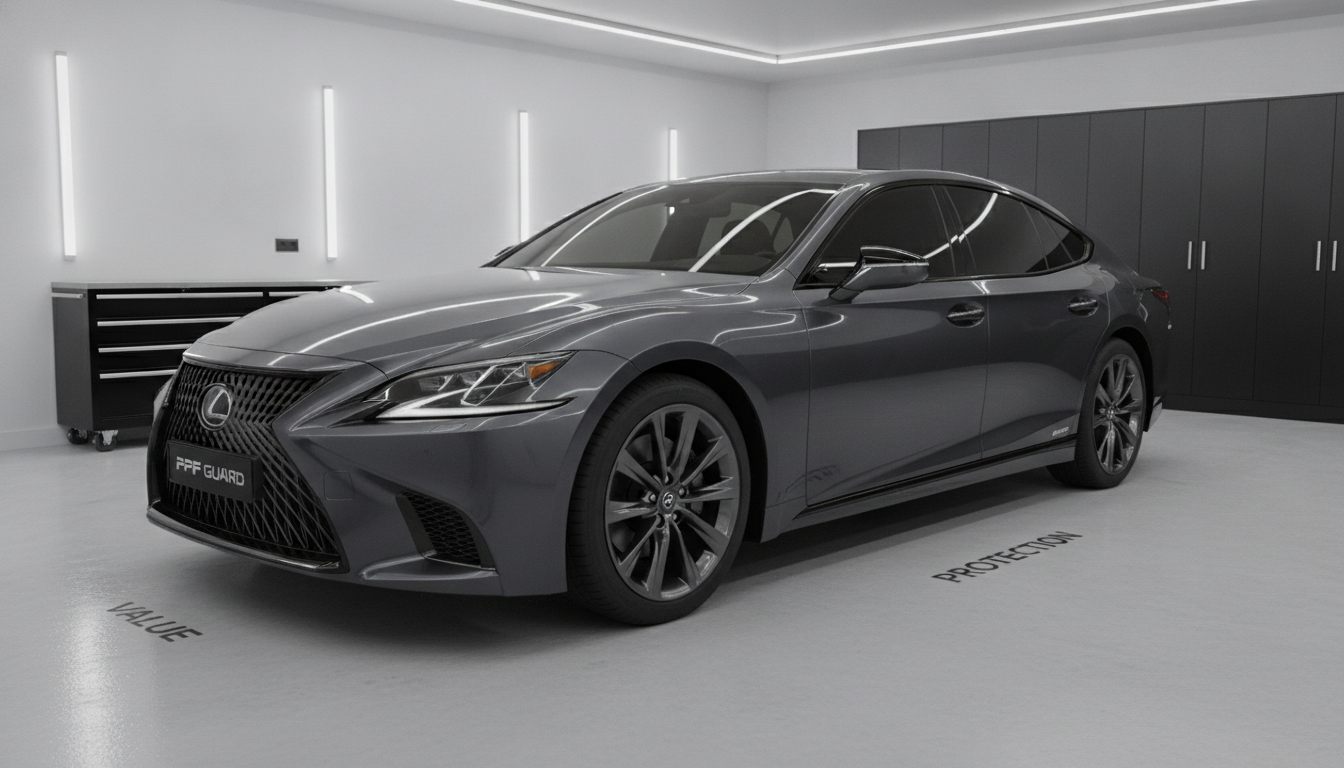
Want your vehicle to retain its value? Then don't treat it as a disposable toy. Plan ahead. Because the next owner will be looking for any excuse to lowball you, a tactic we've witnessed (and employed) countless times.
It’s not solely about looking good; that's where most people err. They mistakenly believe modifications are purely for show. The critical insight here is to protect your investment. A clear bra, or paint protection film (PPF), isn't just vanity. It's armor, preventing chips and swirls, preserving your paint's pristine condition—a factor buyers genuinely care about. Window tinting, beyond aesthetics and sun protection, safeguards your interior from fading and cracking. These protective measures accumulate, keeping the vehicle looking newer, longer. And for truck owners, a high-quality bed liner isn't optional; it's mandatory, as no one desires a battered truck bed.
Aesthetics are important, but not necessarily your unique, eccentric taste. For value retention, consistency is key. Observe a car with blacked-out trim, tasteful dark alloy wheels, and a subtle grille modification. That's a 'blackout package,' which conveys "tasteful upgrade" rather than "Frankenstein's garage project." Select a theme and adhere to it. This approach creates a vehicle that looks intentional and valuable, much like pieces in a curated automotive collection. Common sense dictates avoiding chrome wheels on a blackout car, yet it's a mistake some still make.
And then there's color. This is where individuals often make costly errors. You might adore that custom chameleon paint job you invested thousands in, but very few buyers will share that enthusiasm or be willing to reimburse you for it. Stick to neutral palettes—white, black, gray—as these are universally appealing and facilitate easier sales. However, sometimes a bold color can surprisingly help. Yellow on a sports car, for instance. Car and Driver, referencing iSeeCars data, even showed it has one of the lowest depreciation rates (around 27% over three years). Meanwhile, gold depreciates significantly faster, at 37%. Choose wisely, or pay the price.
Ultimately, all these elements—PPF, tint, matched wheels—demonstrate care and thoughtful consideration for the vehicle. This instills confidence in a buyer. They recognize that you were not a negligent owner who thrashed the car and forgot basic maintenance.
It's not about being flashy; it's about being smart, consistent, and signaling quality through every modification.
The Modifier's Playbook: A 5-Step Strategy for Value Retention
So, you want to customize your ride and make it truly yours? That's fine. But don't be careless about it. If you're going to spend money, ensure you reclaim some of it, or at least avoid setting it on fire. This isn't complex, yet people consistently mismanage it. Here's how to succeed; follow this playbook without deviation.
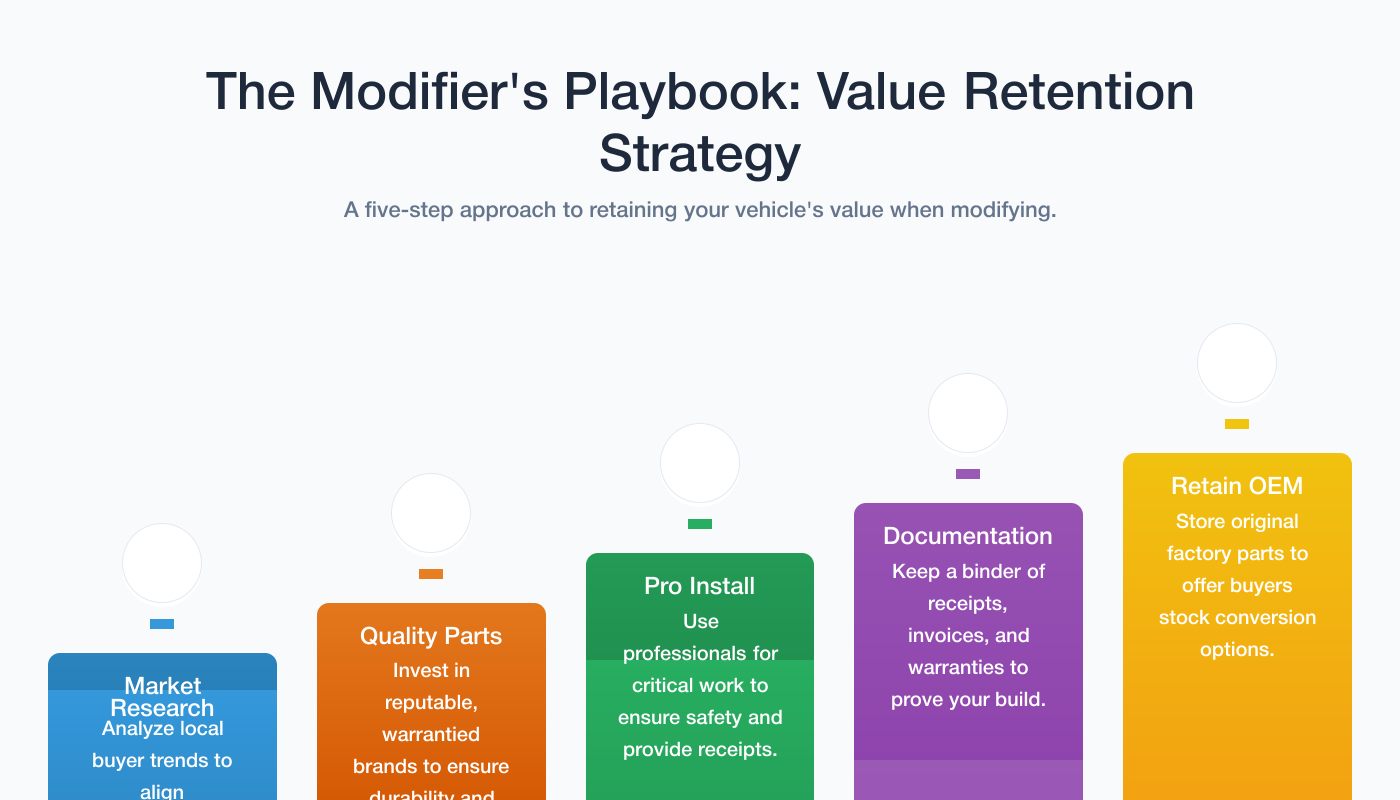
- Market. First, identify your target buyer. What are their actual needs and desires? What might be popular in California could be utterly impractical in Michigan, where all-wheel drive is essential during snowy winters. Research your specific market thoroughly. Analyze popular packages for your car model, and what features buyers are paying premiums for. Guessing is an expensive mistake.
- Quality. Do not economize here. This is not the place to save a few dollars. That no-name part from an obscure vendor? It will likely fail, rattle, or simply look subpar. Buyers notice these details. Equip your car with reputable brands, components known for quality and backed by warranties. As Partsmax.co emphasizes, brand recognition and reliability matter. You invest in quality once; you pay for inferior products indefinitely.
- Install. Resist the urge to DIY every single modification. While you may be proficient with a wrench, some installations demand professional expertise. Incorrectly installed suspension or brakes are critical safety hazards, and a savvy buyer will detect such issues immediately. A professional installation, complete with a receipt, offers invaluable peace of mind to the next owner. Investing in expert labor is always worthwhile.
- Professional installation is paramount, as is meticulous documentation. Whether a part is OEM or aftermarket is irrelevant if the installation appears shoddy or unprofessional. Buyers will recognize that lack of care.
- Prioritize common sense: practical technology, genuine protection, and tasteful aesthetics. Nobody wants a personalized carnival ride with neon underglow or an exhaust that rattles fillings.
Document. Keep meticulous records of everything*. Every receipt, every invoice, every warranty card—all of it. Partsmax.co stresses the crucial importance of this, and they are correct. Without a comprehensive paper trail, your claims are merely anecdotal. Buyers demand proof: a complete service history, confirmation of when work was done, who performed it, and the legitimacy of the parts used. Maintain a physical binder or a digital folder; just keep it all.
OEM. Never discard original parts. There will be instances where the next owner prefers to revert the vehicle to stock, or simply wants the option* to do so. Retaining original headlights, factory suspension components, or the stock exhaust provides a powerful negotiation advantage. It offers the buyer choices, and choices translate to value. Store these components in your garage; while they occupy space, they yield significant returns later.
By diligently following these steps, you might actually break even or even generate a profit, because a smart, calculated plan consistently outperforms blind hope.
Frequently Asked Questions (FAQ)
Alright, you've absorbed the critical details. This isn't about slapping on some cheap tint and calling it an upgrade. It’s about understanding what genuinely moves metal and what doesn't. And much of what you thought you knew about modifications killing value is largely unfounded, provided you play it smart.
Here’s the fundamental takeaway:
Discard the old wives' tales. Smart modifications, executed correctly, don't just retain value; they build it. But the emphasis is on the complete package, the system*, not some random bolt-on.
Do you see the pattern? It's not rocket science. People pay for utility and perceived care. They desire a vehicle that simplifies their life or offers a genuinely enhanced aesthetic, not just something different. A buyer isn't looking to undo your questionable interior lighting; they want a turnkey solution, a coherent vision. And that's where the premium resides. A cohesive, well-executed build transforms a standard vehicle into something more, making it a desirable part of any enthusiast's collection.
The market is indeed a fickle beast. However, consistency, quality, and a clear purpose typically cut through the noise, as they always have.
Now, go evaluate your vehicle. Plan. Don't merely buy. Always think about the next owner, not just your weekend drive. And for goodness sake, keep those receipts. Every single one.
