

A Buyer's Guide to the Luxury Watch Grey Market
The Stellaris Journal
The luxury watch grey market isn't some hushed secret; it's a colossal industry. Nearly twenty percent of all high-end timepieces — those valued over five thousand dollars — flow through this parallel world. This isn't a fringe operation; it's a significant segment of the global watch business. Yet, for all its allure of instant access and tempting discounts, it's a landscape fraught with risk. The 'bargain' watch can quickly become a money pit, its warranty void, service centers unwilling to help. This guide is your essential toolkit to navigate the grey market intelligently, ensuring you make informed decisions, rather than falling prey to common pitfalls.
Defining the Playing Field: Grey Market vs. Pre-Owned and Black Market
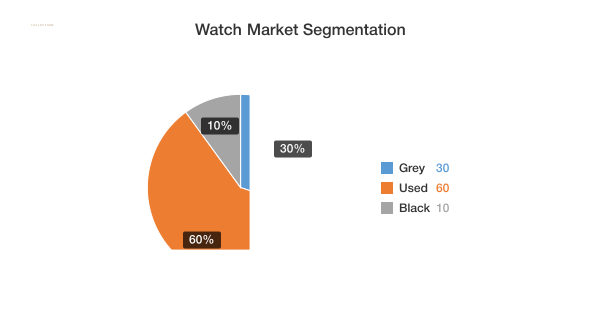
The world of watch sales is a beautifully intricate, often confusing, domain. Understanding the distinct terminology is paramount, because misinterpreting "grey," "pre-owned," and "black" can lead to costly mistakes.
The Grey Market deals in authentic, brand-new, unworn watches. These timepieces, often still factory-sealed, originate from the manufacturer but bypass traditional authorized dealer (AD) networks. They are legally acquired and sold through unauthorized channels. Think of it as purchasing a new car from a dealership not officially sanctioned by the car manufacturer. The car is real and new, but the official warranty and after-sales support can be compromised. Academic research consistently defines the grey market as the sale of genuine goods through non-official channels—a precise and accurate description.
In stark contrast, the Pre-Owned Market consists solely of used watches. Whether a week old or a century old, these watches have had a previous owner. Condition varies widely, from pristine, almost new pieces to heavily worn vintage models requiring extensive restoration. Industry experts and blogs frequently emphasize this distinction, recognizing pre-owned as a category separate from grey (new, unauthorized) and black (counterfeit or stolen). Maintaining this clarity is crucial for any serious buyer.
Finally, the Black Market is unequivocally illegal and should be avoided at all costs. This is the realm of counterfeit watches, stolen goods, or "Frankenwatches"—pieces assembled from a mix of genuine and fake components. Transactions on the black market offer absolutely no legal recourse or buyer protection, making it an exceedingly high-risk proposition with devastating potential consequences.
The fundamental differentiation isn't always about authenticity, but rather the legitimacy of the sales channel. Is it an authorized route, or a legally permissible, yet unofficial, back door to a genuine product? Even data from platforms like Similarweb (2024) indicates distinct traffic patterns for these various markets, reflecting varying levels of consumer awareness and understanding.
The grey market sells legitimate goods outside of official distribution channels—a crucial distinction you must grasp to avoid significant pitfalls.
The Allure of the Grey Market: Price, Availability, and Access
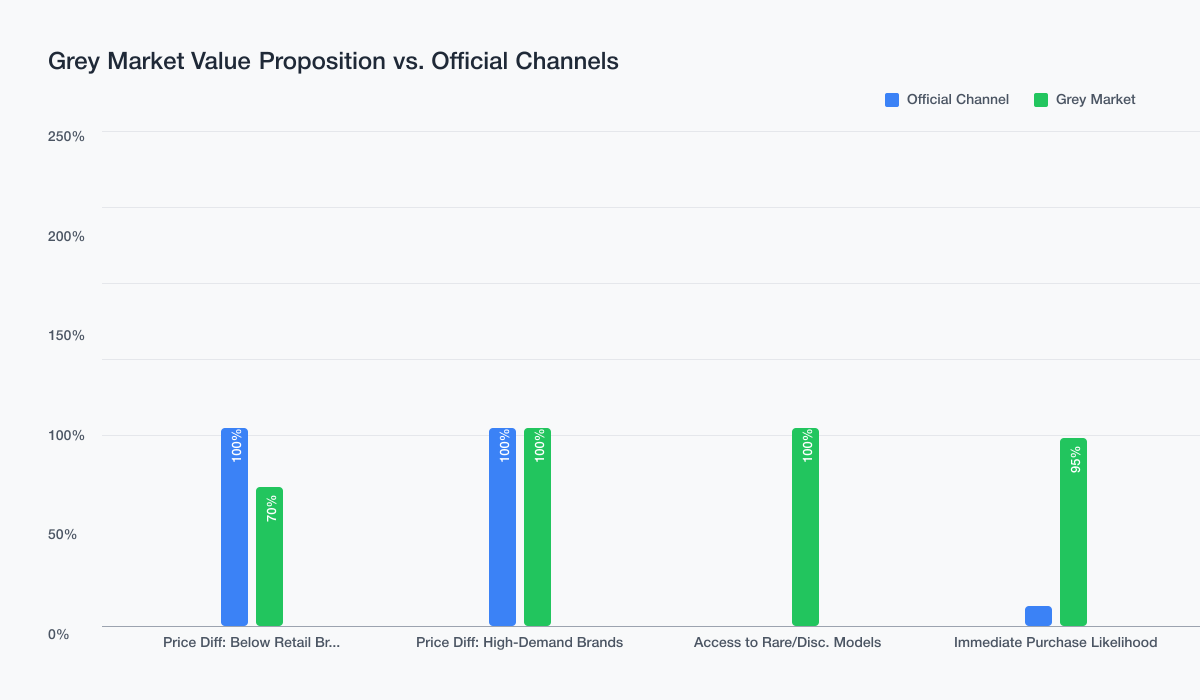
Savvy buyers are increasingly drawn to the grey market, and for good reason. The traditional authorized dealer model, with its often-restrictive practices—lengthy waiting lists, forced bundling, and the imperative to build a "relationship"—can be a source of immense frustration. The grey market provides a compelling alternative, offering solutions to these common grievances.
Pricing can be a significant draw. Brands like Omega or TAG Heuer are frequently available at discounts ranging from 20% to 40% below retail prices on the grey market, providing immediate value that's often impossible to secure through official boutiques. For highly coveted "unobtainium" pieces, such as a Rolex GMT retailing at approximately $10,700 but fetching upwards of $25,000 on the grey market, the premium is steep but offers immediate acquisition—a direct consequence of manufactured scarcity driving prices in unofficial channels.
Availability is perhaps the single greatest motivator for many buyers. The years-long waitlists imposed by ADs for popular models from Rolex or Patek Philippe are universally detested. This frustration directly funnels buyers into the grey market, which almost always offers immediate access to desired models. As one Reddit user succinctly put it, the "soul-crushing" Rolex buying experience often leads enthusiasts to brands like Omega or Grand Seiko, where acquisition is simpler.
Furthermore, the grey market serves as a vital repository for discontinued models and limited editions no longer available through official channels. For collectors and enthusiasts seeking specific, hard-to-find pieces, the grey market often represents the only viable source, making it an indispensable resource for comprehensive collections.
The transactional nature of the grey market—pay, and receive the watch—stands in stark contrast to the AD model's friction-filled experience. This directness is a breath of fresh air for frustrated consumers. While some brands consistently trade below retail, making grey market purchases a logical financial choice, others like the coveted Pateks and Rolexes command substantial premiums for immediate gratification. This dual reality defines the contemporary luxury watch landscape.
The grey market thrives by offering what official channels restrict: competitive pricing and immediate access, a powerful combination that continually attracts frustrated luxury watch buyers.
The Hidden Ledger: Uncovering the True Risks of Buying Grey
While the initial appeal of a grey market purchase—lower prices, immediate gratification—is undeniable, it's crucial to look beyond the surface. The true cost of ownership can easily negate any perceived upfront savings, transforming a "bargain" into a significant financial burden. A comprehensive understanding of the hidden risks is essential.
The manufacturer’s warranty is the most significant vulnerability. In almost all cases, purchasing a watch via the grey market renders the official factory warranty null and void. Most brands explicitly state that warranties are valid only when purchased through an authorized dealer. This means a brand-new, unworn watch with an unforeseen defect can instantly become a personal expense, potentially costing a fortune to repair. This is a common theme in many consumer behavior studies. Without official backing, that new watch can quickly become a glorified paperweight if a serious issue arises.
Some grey market dealers offer their "third-party warranties," but these vary wildly in scope and reliability. Many offer minimal coverage or prove difficult to redeem for complex repairs. As one Reddit user highlighted, a Breguet purchased for $7,000 might face a potential service cost of $6,000, a sum highly unlikely to be fully covered by a generic third-party warranty. Buyers must scrutinize these offerings with extreme caution.
Servicing is another critical concern. Official brand service centers may refuse to work on grey market watches or charge significantly higher fees due to the lack of an official purchase record. An Omega, for instance, might incur a standard $700 service fee if bought through an AD, but a grey market piece could face inflated charges or outright rejection, leaving owners to seek potentially less reliable independent watchmakers.
Resale value is also heavily impacted. A watch purchased from an authorized dealer with a properly stamped warranty card and a complete "full set" (original box and papers) consistently commands a premium in the secondary market. For collectors seeking pieces with impeccable provenance, sources like The Stellaris Collection provide that assurance. Data from platforms like Chrono24 clearly demonstrates that watches with full provenance can achieve 10-15% higher resale values. Without this verifiable paper trail, even an authentic watch can suffer an immediate depreciation, and authentication becomes more complex for future buyers, increasing hesitancy.
Finally, provenance remains a mystery. The origin and storage conditions of grey market watches are often unknown. Some grey market pieces may even have their serial numbers tampered with or removed to obscure their source from the manufacturer. This means a seemingly "new" watch could have a hidden history that negatively impacts its long-term reliability or value.
The attractive grey market discount often functions as a deferred payment for substantial out-of-pocket repairs and a significant hit to your watch's future resale value. Always evaluate the total cost of ownership, not just the initial purchase price.
The Brand Perspective: Why Luxury Watchmakers Oppose the Grey Market
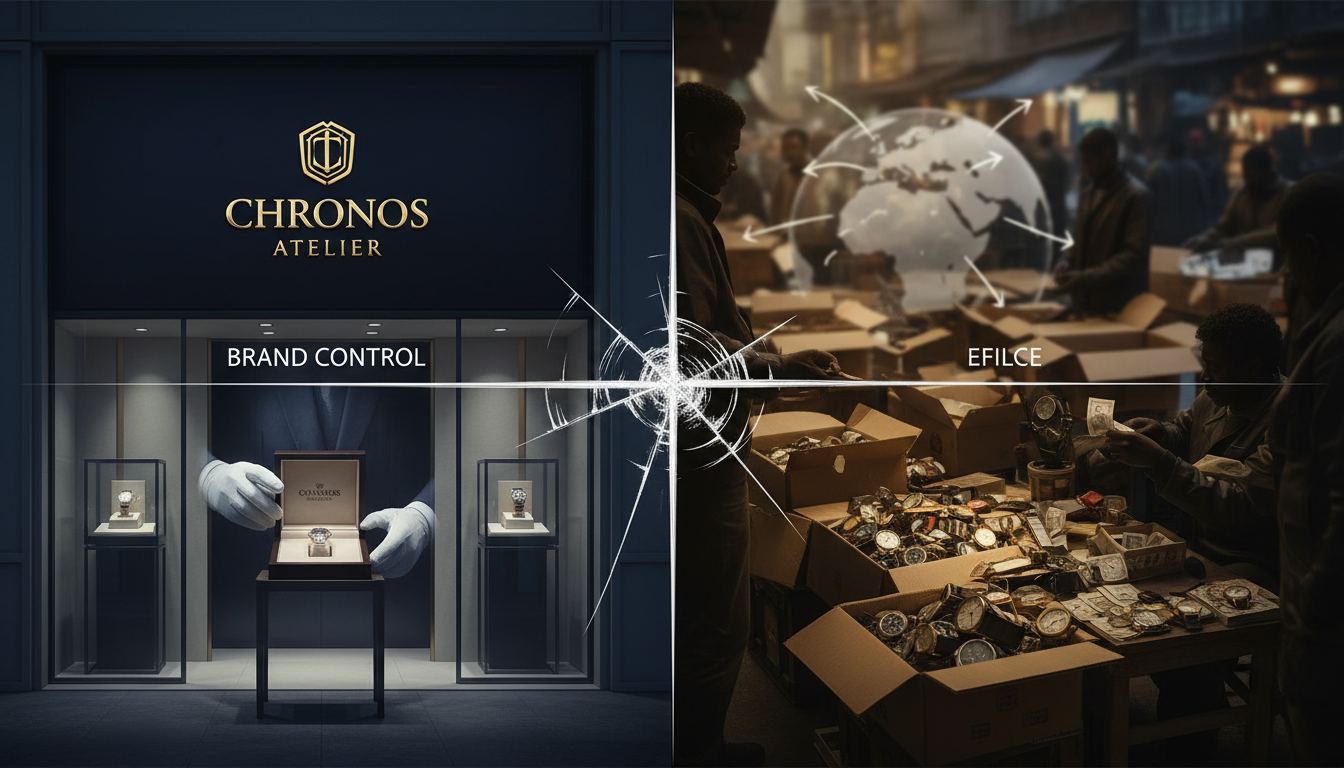
Luxury watch brands don't simply "oppose" the grey market; they actively fight to control it. For these brands, control—over distribution, pricing, and brand perception—is paramount.
Their official stance often centers on the argument that the grey market undermines brand exclusivity. By making their carefully curated watches available outside their exclusive boutiques, grey dealers ostensibly dilute the perception of luxury. However, a more pragmatic concern for brands is the erosion of their profit margins when watches are sold at a discount (or even a premium) without their direct involvement.
The grey market also destabilizes the authorized dealer network, a critical component of the brand's sales strategy. ADs invest heavily in luxurious retail spaces and highly trained staff to provide a premium "experience." When grey dealers, sometimes supplied indirectly by these very ADs, move stock, it undercuts the entire carefully constructed sales ecosystem and disrupts uniform pricing strategies according to various industry reports. Price discrepancies, whether discounts or inflated premiums, can cheapen a brand's image or make it appear out of touch.
The "curated customer experience" heavily promoted by luxury brands is entirely absent in a grey market transaction. These transactions are purely utilitarian, devoid of the personalized service, luxury ambiance, and relationship-building that brands cultivate. For companies selling an experience as much as a product, this breakdown of the illusion is deeply problematic.
In response, brands are implementing aggressive countermeasures. This includes stricter agreements with ADs, quiet buy-back programs, and strategic shifts like Rolex's entry into the certified pre-owned (CPO) market—a clear move to capture secondary market premiums previously lost. Brands like Audemars Piguet and Richard Mille are pivoting towards direct-to-consumer boutique models, eliminating middlemen entirely to regain control. Enthusiasts on platforms like Reddit frequently lament that Rolex's perceived artificial scarcity (despite manufacturing over 1.2 million watches annually, according to Similarweb (2024)) and lack of direct communication have severely eroded brand loyalty.
Ultimately, the grey market represents a battleground for luxury brands, challenging their absolute control over brand image, customer relationships, and crucially, their financial margins.
A Practical Checklist for Buying on the Grey Market
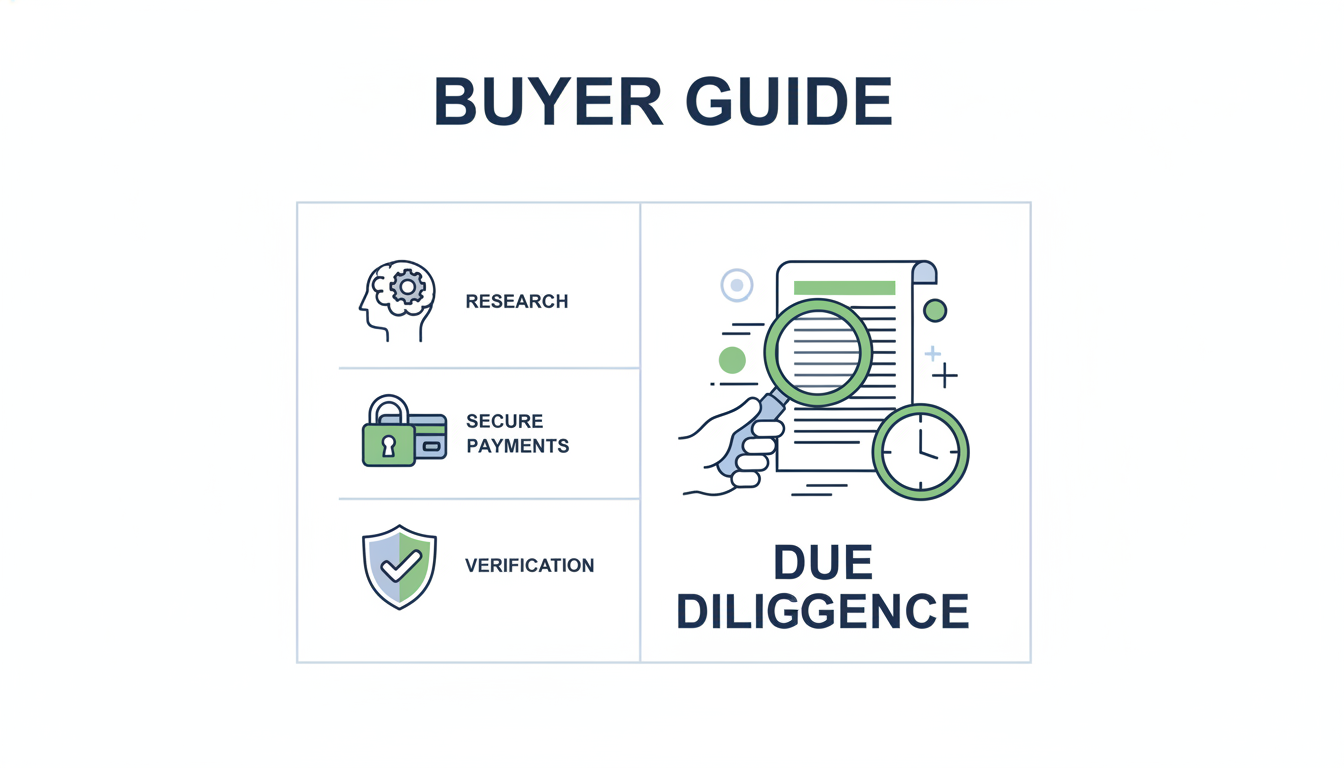
If you're committed to navigating the grey market, proceed with extreme caution and meticulous preparation. This isn't a casual shopping endeavor; it demands rigorous due diligence.
Begin with thorough research. Do not settle for the first listing you encounter. Immerse yourself in watch forums like Reddit (particularly r/Watchexchange), consult Google reviews, and meticulously check seller ratings on platforms such as Chrono24. The adage, "buy the seller, not the watch," is an absolute imperative in this market.
For payments, always opt for secure methods that offer buyer protection, such as credit cards or PayPal. Under no circumstances should you wire transfer funds to an unknown seller; this provides no recourse in case of fraud. Your financial institution should always be your ally if issues arise.
Demand comprehensive photographic and video evidence. Request high-resolution images and clear video of the exact watch, from all angles, highlighting any imperfections. Insist on photos of all accompanying documentation and accessories. Generic stock photos are unacceptable. Clarify the warranty specifics: who provides it (typically the seller for 1-2 years), what it covers, and the exact procedure for servicing if issues occur. Obtain all these details in writing.
Crucially, insist on the original box and all accompanying papers. Even if the warranty card isn't stamped by an authorized dealer, a "full set" significantly enhances resale value and aids in future authentication—a widely recognized market standard. Neglecting these items will almost certainly impact the watch's future marketability.
Finally, always compare prices across multiple platforms and sellers. Understand the true market value of the watch you're considering. This requires solid market research into current trends. Determine if you're receiving a genuine discount or paying a premium for a highly sought-after piece. This ensures you're making an informed purchase, not just an impulsive one.
To succeed in the grey market, meticulous preparation is non-negotiable; a genuinely good deal is the result of diligent effort, which your wallet will undoubtedly appreciate.
Frequently Asked Questions
The grey market can be perplexing, so let's clarify some common misconceptions.
Is it legal? Yes, absolutely. The term "grey" refers to its unofficial distribution channels, not its legality. Purchasing a grey market watch is not an illegal act.
Are grey market watches authentic? By definition, yes, a grey market watch is genuine. However, the prevalence of sophisticated counterfeits means that verifying the seller's reputation is paramount. Always, without exception, vet your seller thoroughly.
Will a grey market watch hold its value? It depends on the specific model and market demand. Highly coveted models from brands like Rolex or Patek Philippe may appreciate. However, a watch without official AD papers may not retain value as strongly as an identical piece with complete, verifiable provenance. A "full set" (box, papers, etc.) significantly maximizes resale value.
Can a grey market watch be serviced by the brand? Sometimes, but be prepared for potentially substantial costs, often thousands of dollars. Brands may also refuse service if serial numbers have been tampered with or removed. Always factor in potential servicing expenses.
What should I do next? Identify reputable grey market sellers and engage them with every question you have. Do not hesitate to ask for detailed information and clarification on any aspect of the watch or transaction.
While the grey market is legal and sells authentic pieces, robust due diligence is non-negotiable to protect your investment.
You've now got the full breakdown, no holds barred. The grey market presents a dual reality: an arena of opportunity coupled with significant potential headaches. More often than not, you'll encounter both.
The fundamental mistake most buyers make is stopping at the price tag. This isn't about simply finding a cheaper watch; it's about executing a strategic purchase, backed by sound financial market analysis, or risking being exploited.
Navigating the luxury watch grey market demands relentless due diligence and a complete understanding of hidden costs, because a true deal is earned through smart strategy, not just a lower price tag.
So, what's your move? If the detailed process of verification and risk mitigation appeals to you, the grey market might be a viable path. But if the thought of extensive hassle, constant guesswork, and potential post-purchase drama gives you pause, consider alternative routes. Often, investing a little more for a watch from a fully trusted, official source—someone who handles the complexities so you don't have to—proves to be the smarter, more stress-free decision in the long run. Exploring curated collections like The Stellaris Collection can offer a secure alternative.
