

The Rarity Spectrum: Discovering Undervalued Luxury Watches
The Stellaris Journal
While a Patek Philippe Nautilus 5711 climbed from $30,000 retail to over $200,000 on the secondary market, the real opportunity in luxury watches exists in overlooked segments where quality, heritage, and horological merit outweigh speculation. This comprehensive guide identifies undervalued luxury watches across multiple price tiers, helping collectors build meaningful collections based on intrinsic value rather than market trends.
Understanding True Value in a Hype-Driven Watch Market

The luxury watch market has become increasingly polarized. Headline-grabbing pieces like the Rolex Daytona, Patek Philippe Nautilus, and Audemars Piguet Royal Oak dominate attention—and command astronomical premiums. Meanwhile, exceptional timepieces with genuine horological merit trade at rational prices, offering collectors better value propositions.
The Five Pillars of Watch Value
1. Brand Heritage and Reputation
Established manufactures with centuries of watchmaking history provide:
- Proven longevity and brand stability
- Consistent quality control standards
- Access to authorized service networks
- Stronger resale markets
- Limited editions with documented production numbers
- Discontinued references no longer in production
- Specific dial variants or configurations
- Regional exclusive models
- The Omega Speedmaster Professional—the first watch worn on the moon during Apollo 11
- The Rolex Submariner—pioneering dive watch since 1953
- The Cartier Santos—created in 1904 as one of the first purpose-built wristwatches
- Proprietary movement development (vs. modified third-party calibers)
- Hand-finished components with traditional techniques
- Complications: perpetual calendars, minute repeaters, tourbillons
- Complete sets with original box and papers can command 15-30% premiums
- Unpolished cases with original finishes
- Service history documentation
- Original components (bracelets, dials, hands)
- Discontinued model with finite supply
- Historical significance as a design icon
- Strong brand heritage
- Proven durability and serviceability
- In-house MT5652 manufacture movement with GMT complication
- Rolex ownership provides brand credibility and shared manufacturing standards
- "Pepsi" bezel offers iconic colorway without Rolex GMT-Master II premiums ($40,000+)
- Strong secondary market demand with minimal retail discounts
- NASA-certified spaceflight qualification—worn during all six moon landings
- Hand-wound Caliber 1861/3861 maintains original Moonwatch specifications
- Exceptional brand history with institutional prestige
- Stable pricing across market cycles (minimal speculative volatility)
- Aviation heritage dating to 1904 (created for pioneer aviator Alberto Santos-Dumont)
- Distinctive design language differentiates from sport watch homogeneity
- Recent renaissance in dress/luxury sports watch category
- Cartier's jewelry expertise evident in finishing and proportions
- Entry point to Rolex ownership with full brand prestige
- 2020 introduction of vibrant dial colors (Turquoise Blue, Coral Red, Yellow) created significant demand
- Proven Rolex Caliber 3230 movement with 70-hour power reserve
- No complications or luxury materials keeps pricing accessible
- 39mm case dimensions appeal to vintage-sizing preference trend
- In-house Caliber MT5402 with 70-hour power reserve and silicon balance spring
- Tudor heritage as Rolex's historically more affordable sister brand
- Strong community following among collectors (positive long-term indicator)
- Master Chronometer certification (METAS testing) provides superior anti-magnetic and accuracy standards
- James Bond association provides cultural cachet since 1995 (GoldenEye)
- Superior technical specifications to similarly-priced competition
- Co-Axial escapement technology reduces friction and service intervals
- Independent Swiss manufacturer (no conglomerate ownership)
- High-specification dive watches without luxury brand premiums
- Growing enthusiast recognition and community following
- Innovative complications (Caliber 400 with 5-day power reserve and 10-year service interval)
- Aviation heritage since 1884 provides authentic brand story
- Older Colt models offer entry to Breitling ownership at significant discounts
- Quartz variants provide accuracy and durability for active wear
- Bold, distinctive design language immediately recognizable
- Oldest continuously operating watch manufacturer (270+ years)
- Member of the "Holy Trinity" alongside Patek Philippe and Audemars Piguet
- Exceptional hand-finishing and movement decoration standards
- Motto: "Faire mieux si possible, ce qui est toujours possible" (Do better if possible, and that is always possible)
- Directly comparable to Nautilus/Royal Oak in luxury sports watch category
- Integrated bracelet design, in-house movements, finishing quality matches competition
- Trades at 30-50% discount to comparable Patek/AP models
- Actually available for purchase (no multi-year waiting lists)
- Historic supplier to military aviators (British RAF, German Luftwaffe)
- Engineering-focused approach emphasizes functionality and legibility
- Expertise in pilot's watches and complications (perpetual calendars)
- Authentic military heritage often overlooked in favor of sport watch trends
- Larger case sizes (43-46mm) fell out of fashion temporarily (returning to favor)
- Strong movement engineering (in-house Caliber 52000 family with 7-day power reserve)
- "The watchmaker's watchmaker"—historically supplied movements to Patek Philippe, Vacheron Constantin, Audemars Piguet
- Produced over 1,200 different calibers in-house
- Expertise in ultra-thin movements and complicated watchmaking
- Dress watch category less hyped than sport watches currently
- Exceptional movement finishing and complications at rational pricing
- Universal respect among collectors and watchmakers
- Purest expression of classic round watch design (introduced 1932)
- Reference 96 established "Calatrava" design language still referenced today
- Hand-wound or automatic in-house movements with exceptional finishing
- Dress watch format receives less speculative attention than steel sports models
- No waiting lists—actually available for purchase
- Same Patek Philippe manufacturing standards and finishing quality
- Strong long-term value retention without speculation premium
- Exact reference number and production years
- Movement type and caliber number
- Known variations (dial colors, bracelet types, regional differences)
- Common issues or service requirements
- Fair market pricing across multiple sales channels
- Manufacturer archives and press releases
- WatchBase and Chrono24 for reference databases
- Collector forums (Rolex Forums, Omega Forums, TimeZone)
- Auction house results (Christie's, Sotheby's, Phillips)
- Prices significantly below market average
- Reluctance to provide detailed photos or documentation
- Pressure tactics ("another buyer interested," limited-time offers)
- Incomplete or suspicious documentation
- Request clear photos of movement through caseback
- Verify movement caliber matches reference specifications
- Check for non-original parts or unauthorized modifications
- Examine movement finishing quality (rotor decoration, bridge finishing)
- Verify serial number with manufacturer when possible
- Confirm movement specifications match manufacturer documentation
- Check for evidence of water damage (corrosion, condensation marks)
- Modern automatic watches: Every 5-7 years
- Vintage watches (pre-2000): Every 3-5 years
- Complex complications: Per manufacturer recommendations (often 3-5 years)
- Dive watches with water exposure: Pressure test annually
- Simple automatic movements: $300-800
- Chronographs: $600-1,200
- Haute horlogerie complications: $1,500-5,000+
- Original box and papers (warranty cards, certificates)
- Service records from authorized centers
- Original purchase receipts (helps establish provenance)
- Original bracelet components (extra links, additional straps)
- Complete set (watch + box + papers): Baseline market price
- Watch only (no box/papers): 15-25% discount
- Watch with papers (no box): 5-10% discount
- One daily wear (robust, water-resistant)
- One dress watch (thin, elegant)
- One complication or special piece (GMT, chronograph, annual calendar)
- Five excellent watches outperform fifteen mediocre ones
- Focus on pieces you genuinely appreciate wearing
- Avoid purchases driven solely by investment speculation
- Best returns come from holding periods of 10+ years
- Market timing rarely succeeds consistently
- Genuine passion for watches sustains collection through market cycles
- Identify your budget range and explore recommendations within that tier
- Research specific models thoroughly before purchasing
- Establish relationships with reputable dealers
- Join collector communities to learn from experienced enthusiasts
- Start with one or two quality pieces rather than multiple compromises
2. Rarity and Production Numbers
Limited production runs and discontinued models create natural scarcity:
3. Historical Significance
Watches with documented historical importance maintain value across market cycles:
4. Technical Merit and Complications
In-house movements and haute horlogerie complications demonstrate genuine craftsmanship:
5. Condition and Provenance
Preservation significantly impacts value:
Case Study: Rolex Submariner Reference 5513
Market data illustrates how these factors compound over time. The Rolex Submariner Ref. 5513, originally retailing for approximately $225 in the 1960s, now trades between $15,000-$20,000 in good condition—representing roughly 8,000% appreciation over five decades.
Key value drivers:
The Investment Sweet Spot: Premier Watches from $5,000-$15,000
This price bracket represents optimal value for collectors seeking established luxury brands before speculative premiums take hold. These watches offer institutional brand recognition, in-house movements, and proven market liquidity.
Tudor Black Bay GMT (Retail: \~$4,500-$5,200)
Value proposition:
Market dynamics: Limited retail availability creates waiting lists at authorized dealers, indicating demand exceeds supply—a positive long-term indicator.
Best for: Collectors seeking modern GMT functionality with proven brand heritage at accessible pricing.
Omega Speedmaster Professional "Moonwatch" (Retail: \~$6,800-$7,300)
Value proposition:
Historical context: NASA's rigorous testing in 1964 subjected watches to extreme temperatures (-18°F to 200°F), vibration, acceleration, and vacuum. Only the Omega Speedmaster passed all tests.
Market performance: Pre-owned examples typically trade within 10-15% of retail, indicating strong value retention without speculation premium.
Best for: Collectors prioritizing historical significance and stable, proven value.
Cartier Santos (Retail: \~$7,300-$9,500)
Value proposition:
Market trend: Growing appreciation for "dressed up" luxury sports watches as collectors diversify beyond tool watch aesthetics.
Technical highlight: Modern Santos features Cartier's in-house 1847 MC automatic movement with quick-change bracelet system.
Best for: Collectors seeking design differentiation and pioneering wristwatch heritage.
Rolex Oyster Perpetual (Retail: \~$6,100-$6,600)
Value proposition:
Market phenomenon: Certain dial colors (particularly 41mm Turquoise) briefly commanded premiums above retail due to allocation scarcity—though market has since normalized.
Strategic advantage: Establishes relationship with authorized Rolex dealer, potentially improving future allocation access for higher-demand models.
Best for: New collectors seeking proven brand entry with strong value retention.
The Accessible Tier: Future Classics Under $5,000
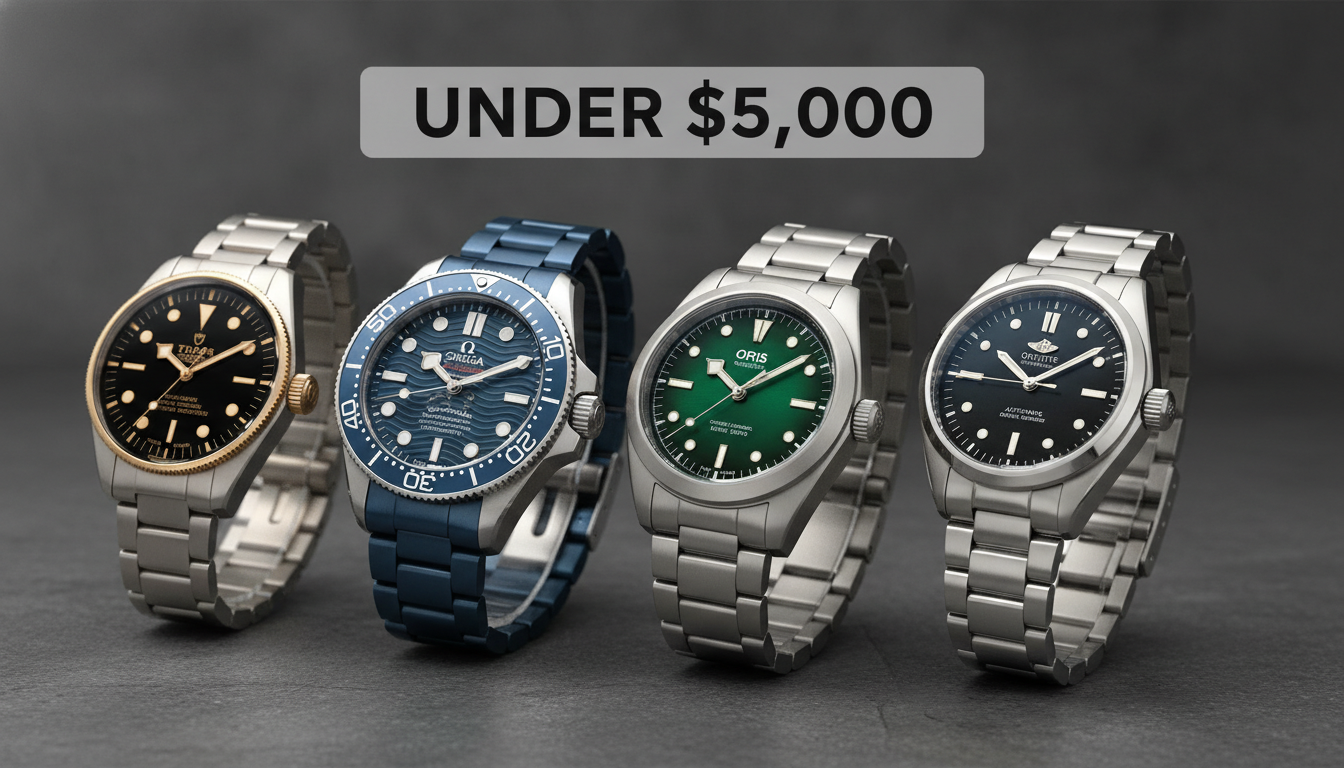
Exceptional value exists below $5,000 for collectors willing to explore brands building strong reputations or acquiring pre-owned examples from established manufacturers.
Tudor Black Bay Fifty-Eight (Retail: \~$4,000-$4,300)
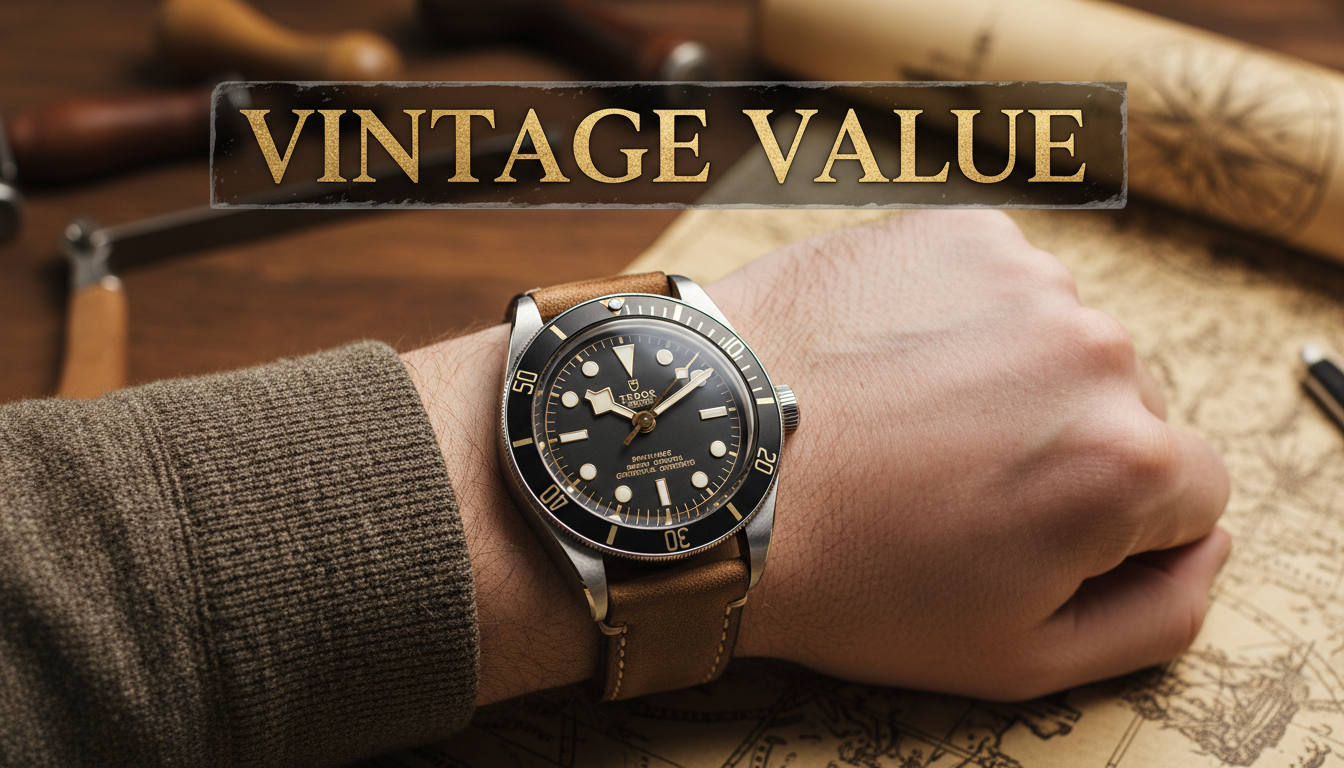
Why it's undervalued:
Design appeal: Gilt dial details and vintage-inspired proportions reference Tudor's 1950s-60s dive watches without pastiche.
Market data: Pre-owned examples hold 85-95% of retail value, indicating strong demand and limited market supply.
Best for: Collectors prioritizing vintage aesthetics in modern watchmaking with proven movement technology.
Omega Seamaster Diver 300M (Retail: \~$5,400-$6,000)
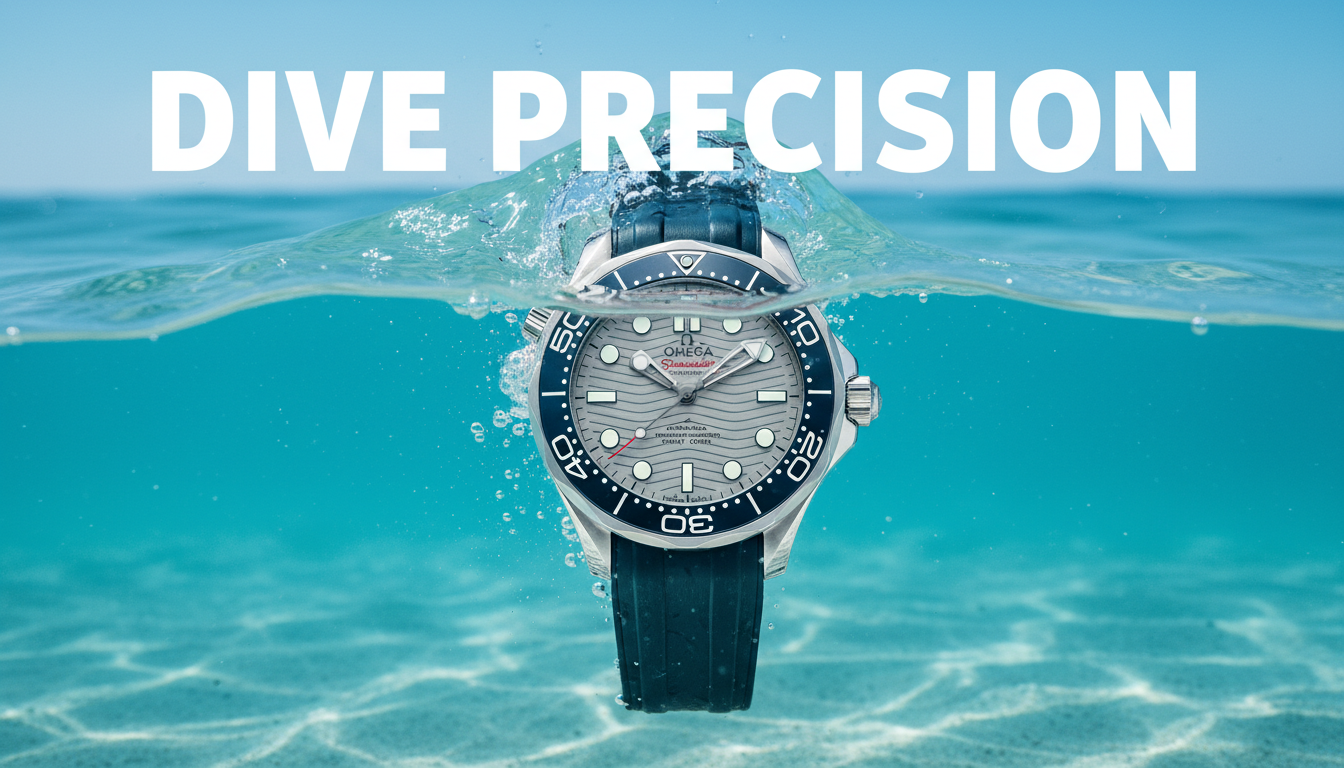
Why it's undervalued:
Technical advantage: 15,000 gauss anti-magnetic resistance vs. standard 60-80 gauss in conventional movements.
Market position: Often overshadowed by Rolex Submariner despite superior technical specifications at significant discount.
Best for: Collectors prioritizing technical innovation and proven durability over pure brand cachet.
Oris Aquis (Retail: \~$2,100-$4,500 depending on variant)
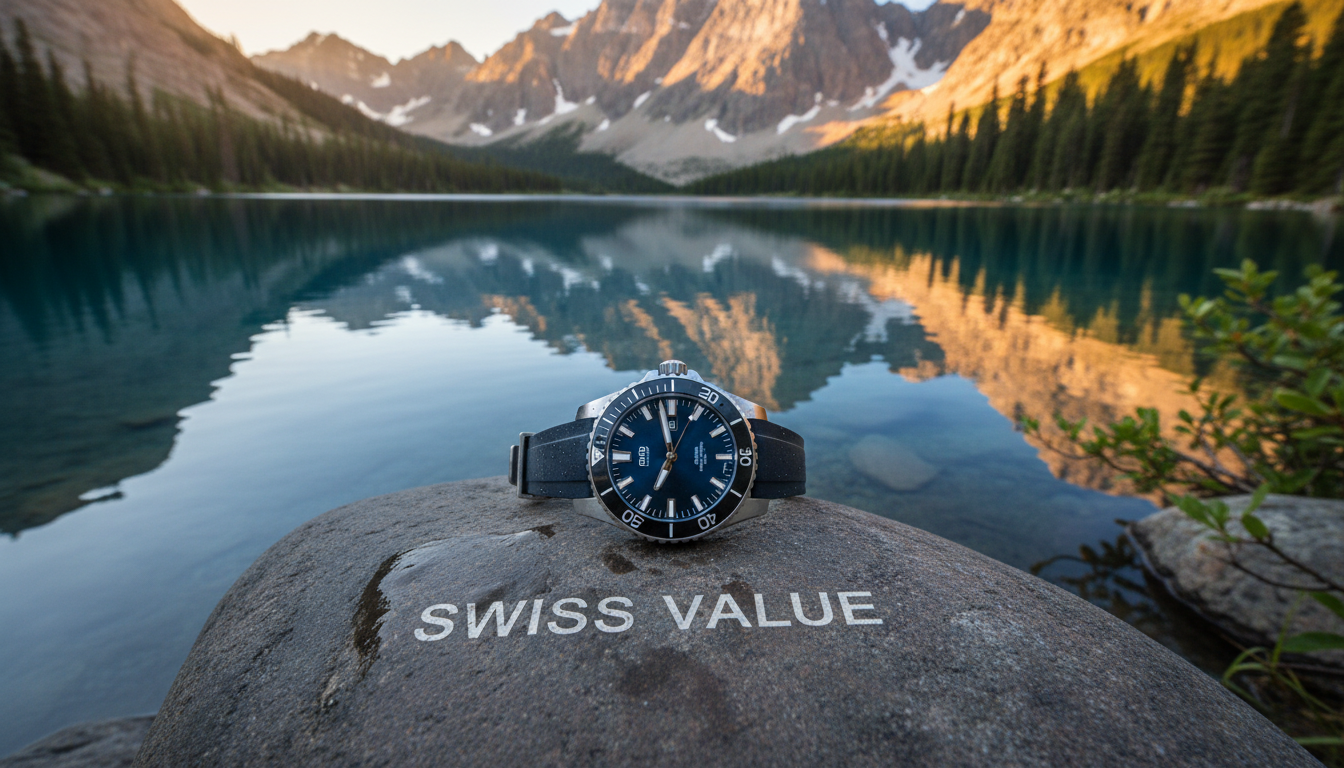
Why it's undervalued:
Strategic positioning: Oris targets "real tool watch" credibility—300m water resistance, ceramic bezels, robust movements—at accessible pricing.
Future potential: Independent brands with strong horological credentials tend to appreciate as collectors discover them beyond mainstream awareness.
Best for: Value-conscious collectors seeking Swiss manufacturing and legitimate tool watch specifications.
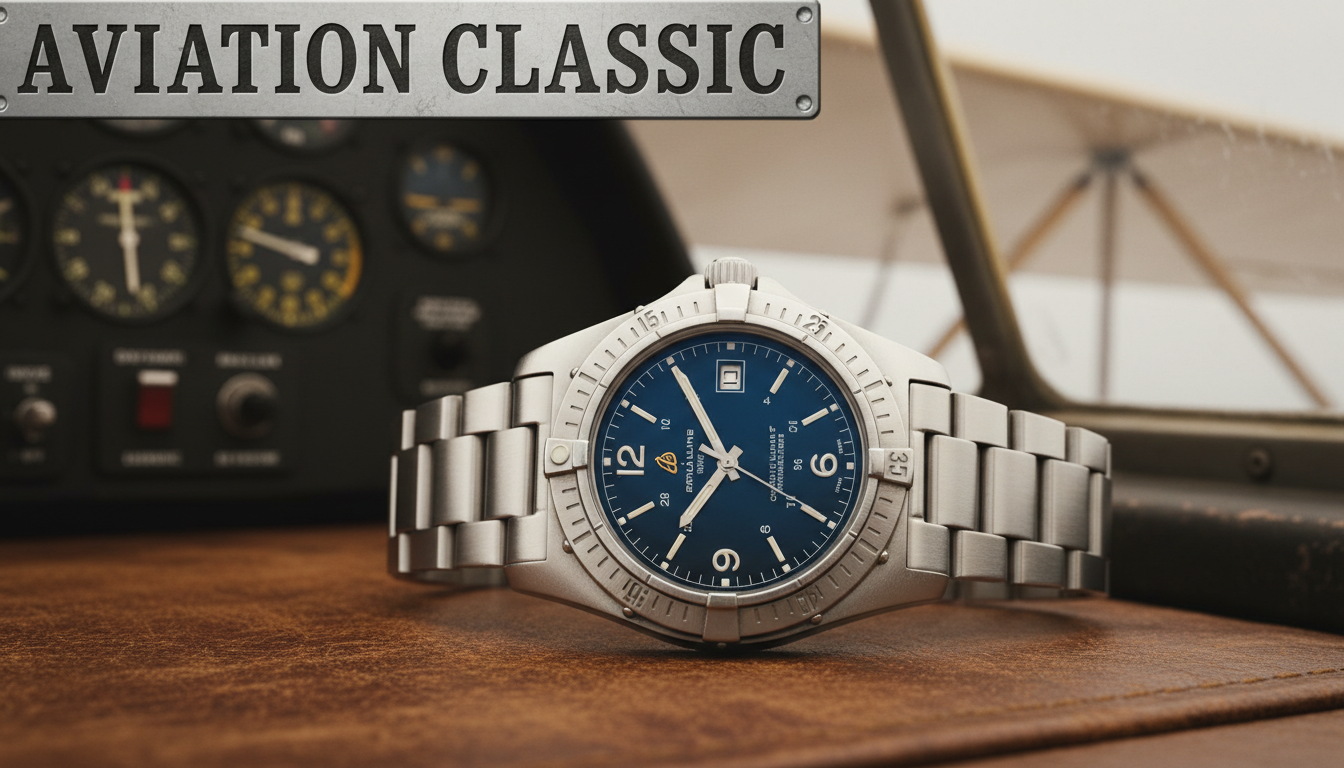
Breitling Colt (Pre-owned: \~$1,500-$3,000)
Why it's undervalued:
Pre-owned advantage: Recent references (2010s) available at 40-60% below original retail due to market oversupply—not quality issues.
Market consideration: Breitling's 2017 capital investment from CVC Capital Partners brought design modernization—older models represent pre-refresh styling.
Best for: Collectors seeking brand heritage and robust construction at bargain pricing.
The Connoisseur's Frontier: Legacy Brands Beyond Mainstream Hype
For collectors advancing beyond entry-level luxury, several manufacture brands offer exceptional horological credentials without the speculative premiums attached to Rolex, Patek Philippe, and Audemars Piguet's sport models.
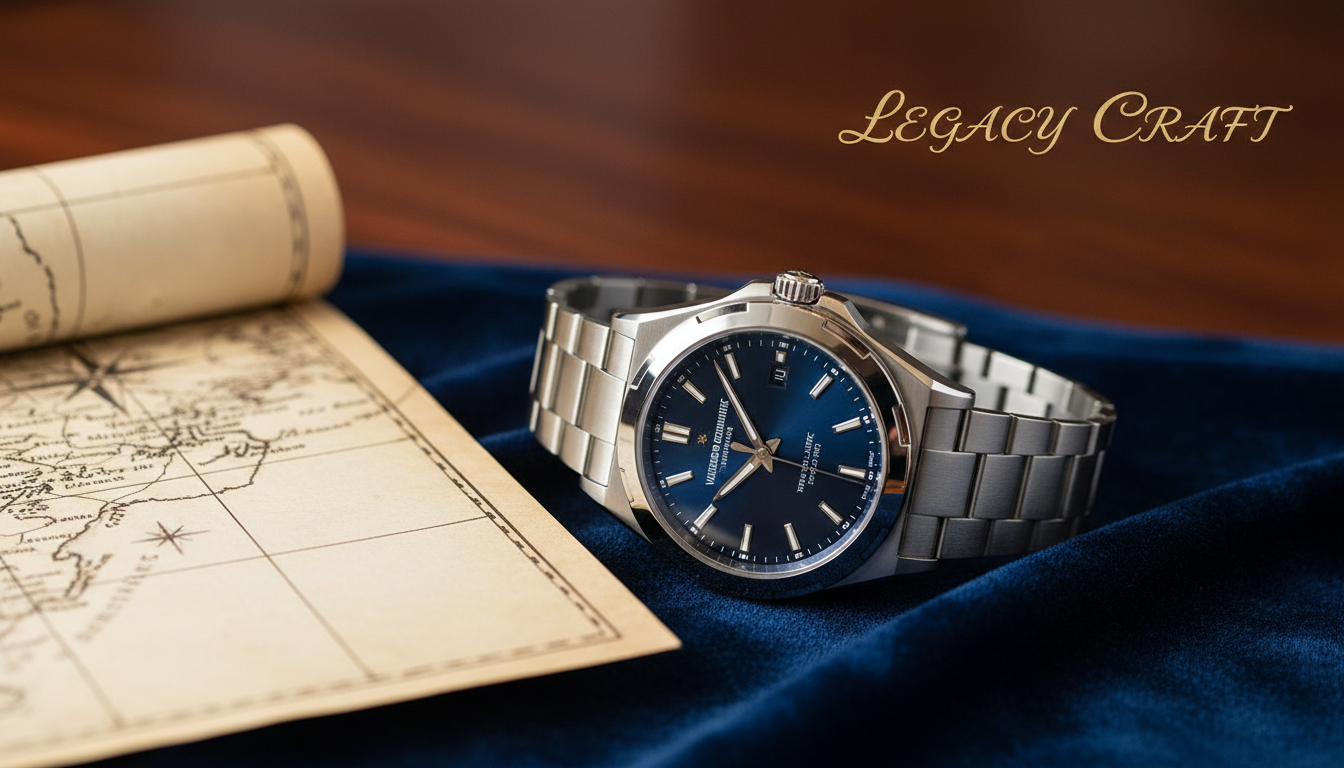
Vacheron Constantin (Founded 1755)
Brand significance:
Model highlight: Vacheron Constantin Overseas
Why it's undervalued relative to peers:
Price range: $20,000-$40,000 depending on complication Market opportunity: Undervalued due to lower brand awareness outside collector circles
Best for: Collectors seeking Holy Trinity quality without speculative market distortion.
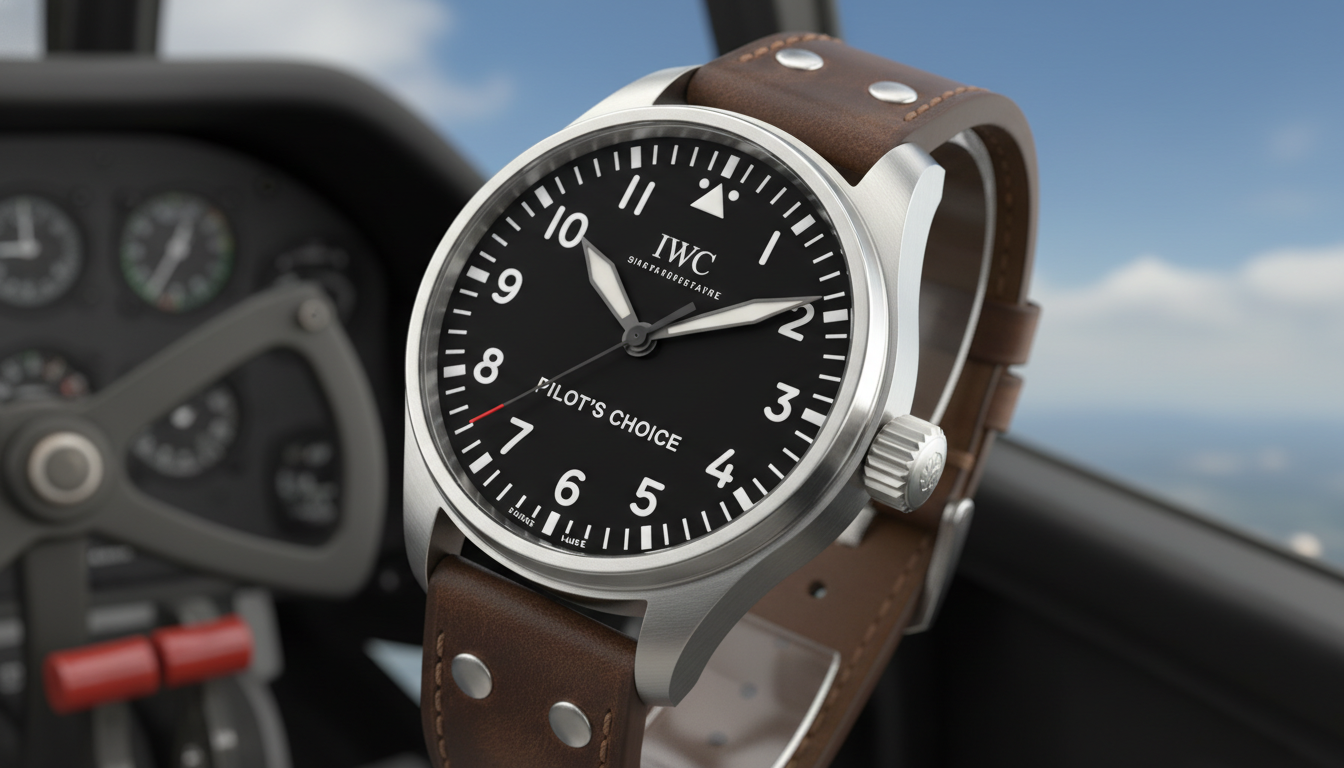
IWC Schaffhausen (Founded 1868)
Brand significance:
Model highlight: IWC Big Pilot's Watch
Historical context: IWC's B-Uhr (Beobachtungsuhr—observation watch) produced for German military aviators in WWII established design language still used today—oversized crown for gloved operation, highly legible dial, antimagnetic movement protection.
Why it's undervalued:
Price range: $12,000-$18,000 for modern Big Pilot references Market opportunity: Military history and engineering credibility under-appreciated by mainstream market
Best for: Collectors appreciating historical military provenance and tool watch philosophy.
Jaeger-LeCoultre (Founded 1833)
Brand significance:
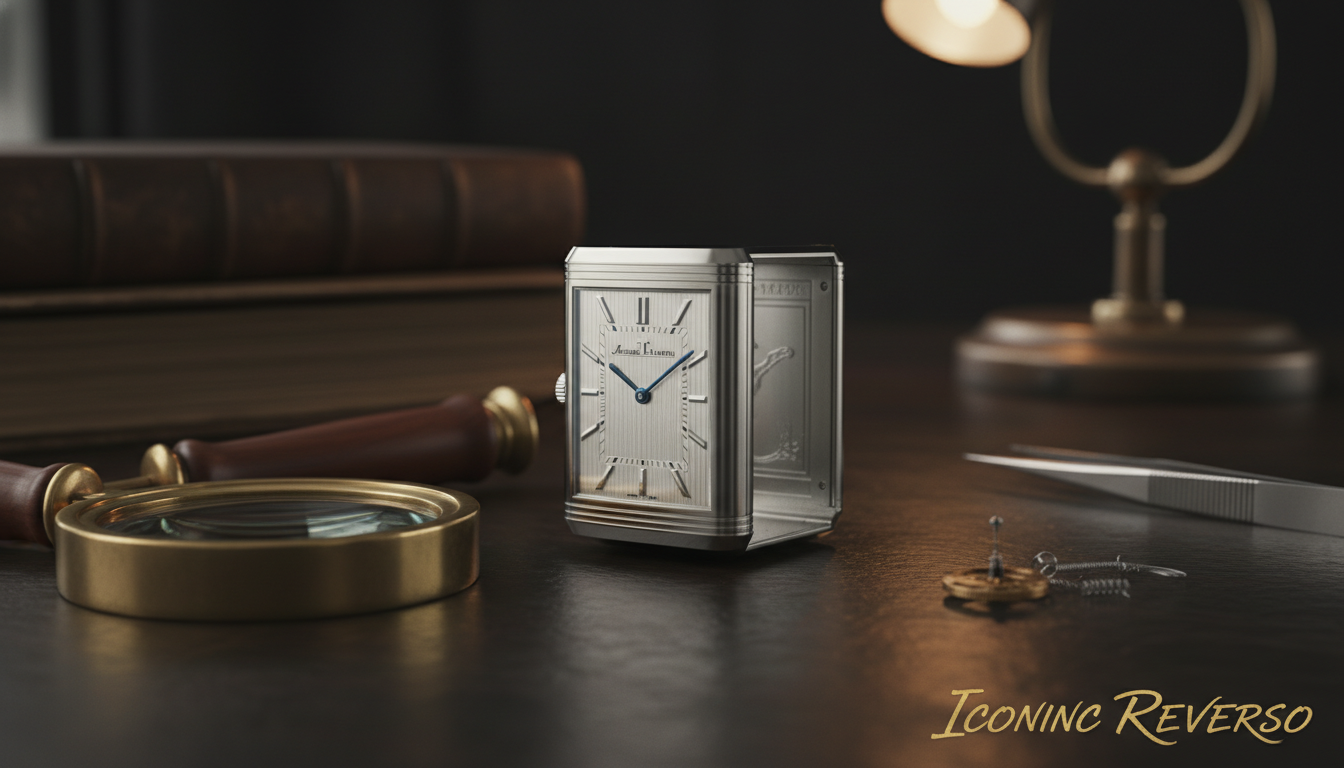
Model highlight: Jaeger-LeCoultre Reverso
Design innovation: Created in 1931 for British polo players in India—reversible case protects crystal during play. Art Deco aesthetics remain distinctive 90+ years later.
Why it's undervalued:
Price range: $6,000-$15,000 for steel Reverso variants; $15,000+ for complications Market opportunity: Dress watch renaissance as market matures beyond sport watch dominance
Best for: Collectors prioritizing movement quality, design heritage, and sophisticated aesthetics.
Patek Philippe Calatrava
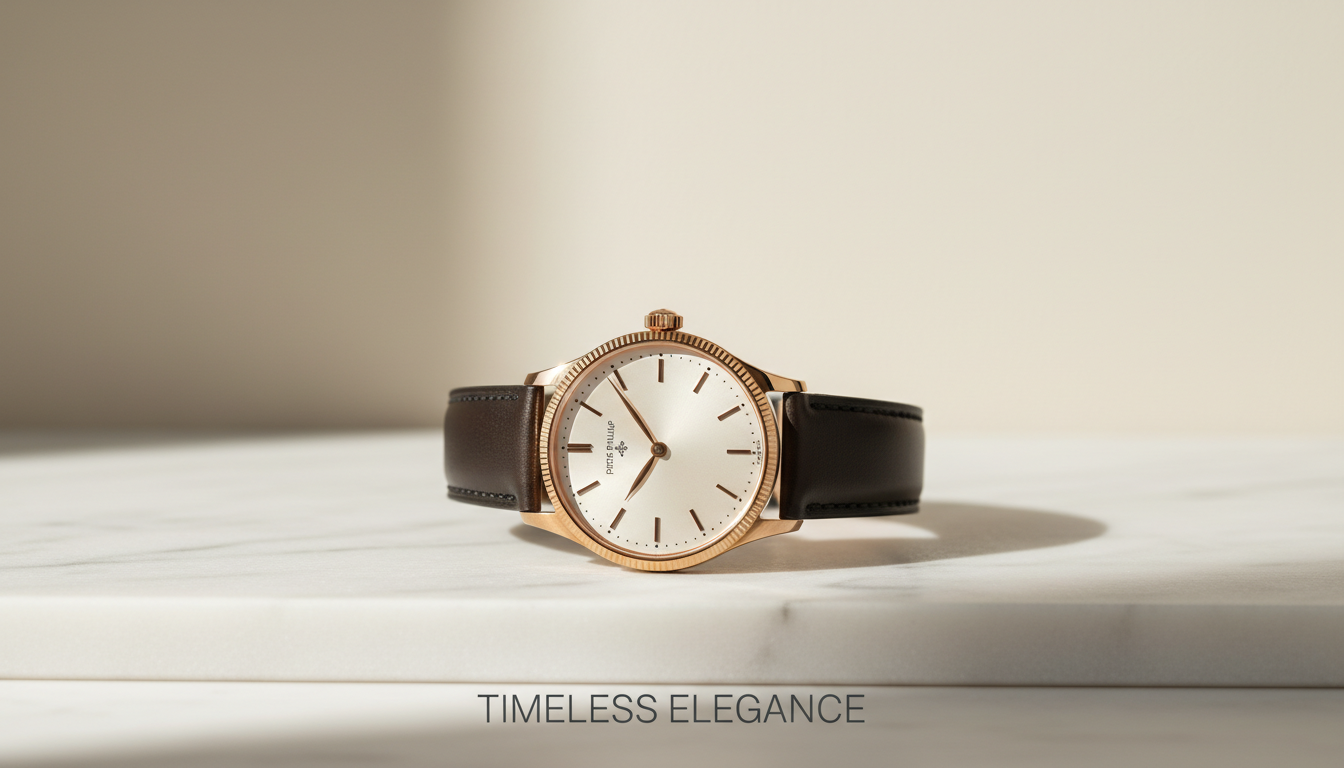
Model significance:
Why it's undervalued relative to Nautilus/Aquanaut:
Price range: $20,000-$35,000 depending on metal and complications Market opportunity: Access to Patek Philippe ownership and craftsmanship without hype tax
Best for: Collectors seeking Patek Philippe quality in timeless dress watch format.
A Practical Framework for Vetting and Acquiring Watches
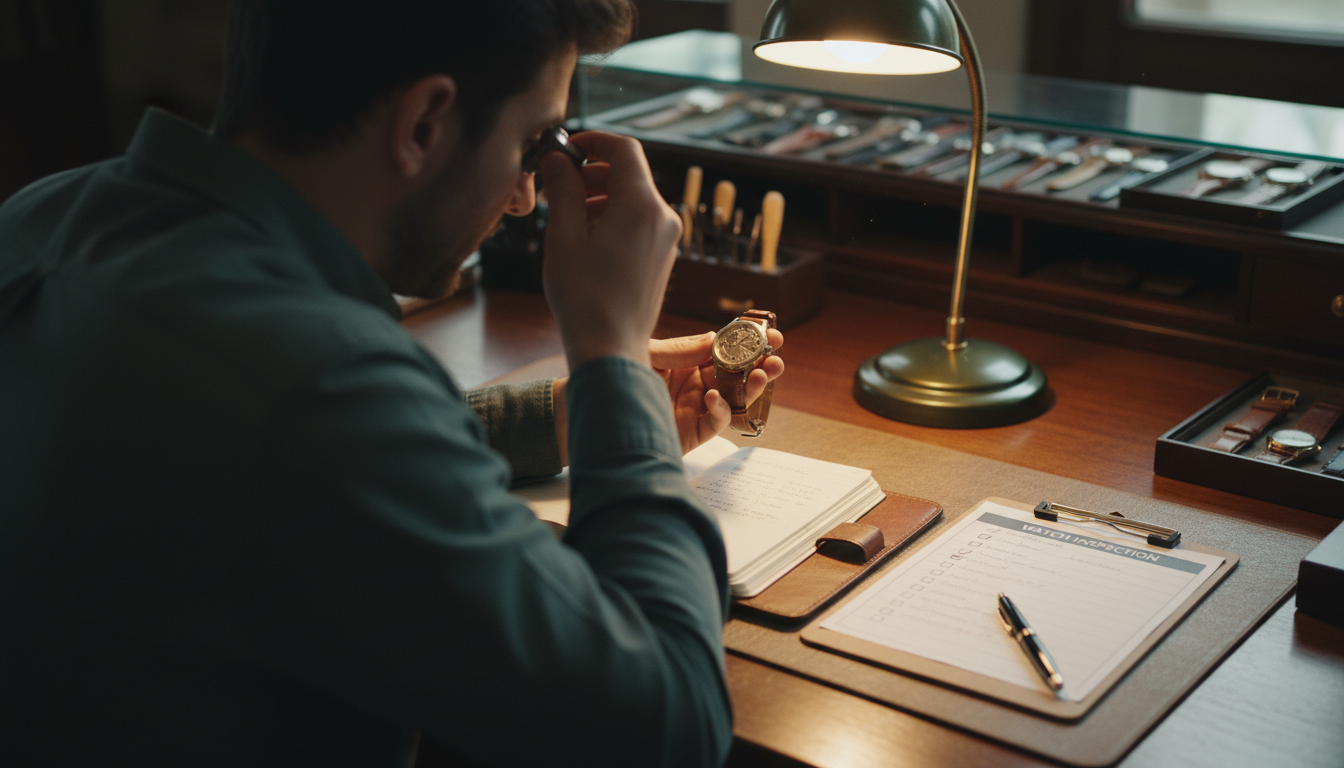
Smart acquisition requires systematic due diligence to avoid counterfeits, misrepresented condition, or overpriced examples.
Step 1: Research Specific References Thoroughly
Essential knowledge before purchasing:
Resources:
Step 2: Prioritize Seller Reputation Over Price
Trusted acquisition channels (ranked by buyer protection):
1. Authorized dealers - Full manufacturer warranty, verified authenticity
2. Established pre-owned specialists (Watchbox, Crown & Caliber, Bob's Watches) - Authentication guarantees, return policies
3. Reputable auction houses - Expert authentication, buyer protections
4. Vetted private sellers - Require extensive references and verification
Red flags indicating potential issues:
Investment note: Paying 5-10% premium to established dealers often proves less expensive than authentication issues, return complications, or counterfeit exposure from unverified sellers.
Step 3: Verify Movement Authenticity and Condition
Critical verification steps:
For vintage watches:
For modern watches:
Professional inspection: For purchases above $5,000, independent watchmaker inspection ($100-300) provides valuable risk mitigation.
Step 4: Maintain Through Regular Professional Servicing
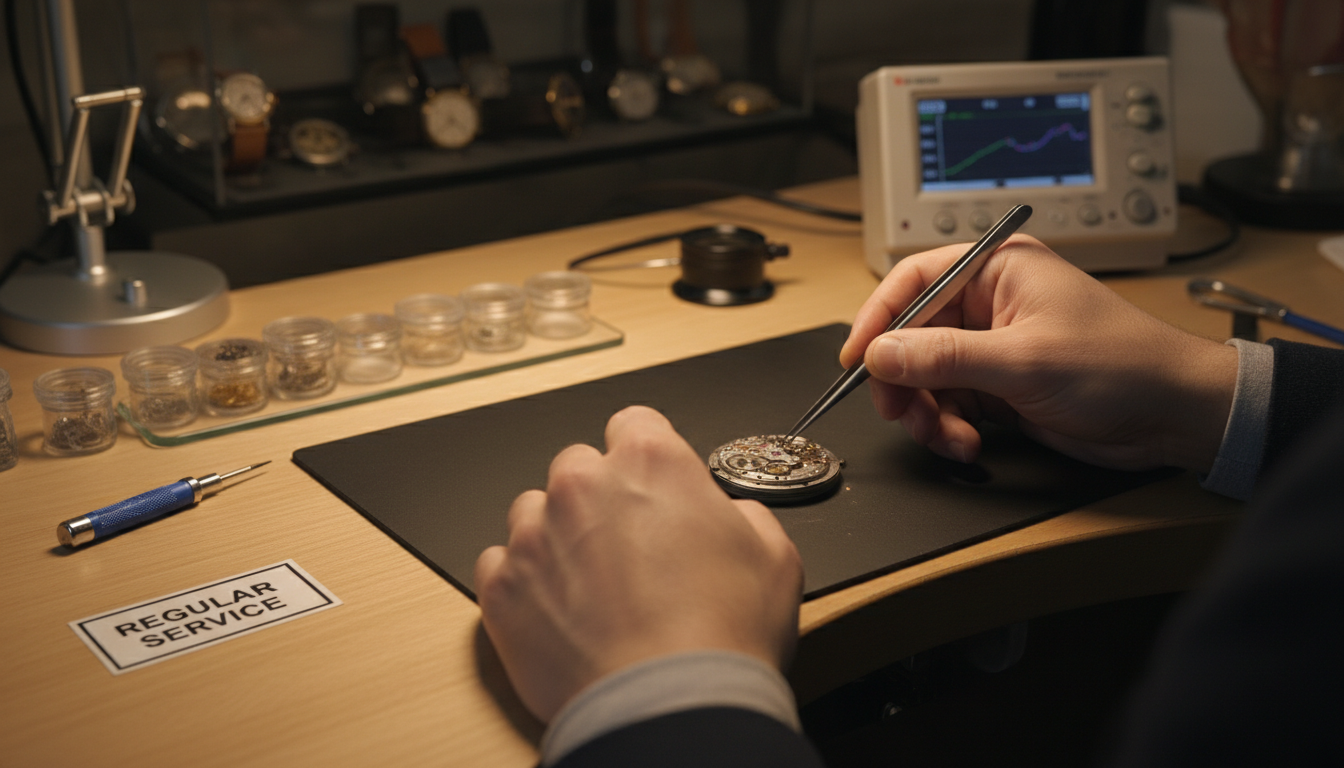
Service intervals by watch type:
Service costs:
Value protection: Documented service history can increase resale value by 10-15% and dramatically improves buyer confidence.
Step 5: Preserve Documentation and Original Accessories
Essential items to maintain:
Impact on resale value:
Building a Meaningful Collection: Strategic Principles
Diversification across categories:
Quality over quantity:
Buy for the long term:
Conclusion: Value Investing in Luxury Watches
The luxury watch market rewards informed collectors who prioritize intrinsic value over trend-chasing:
Key takeaways:
1. True value stems from heritage, craftsmanship, and scarcity—not social media hype or influencer endorsements
2. The $5,000-$15,000 range offers optimal value—established brands, proven movements, genuine appreciation potential
3. Sub-$5,000 watches from strong manufacturers represent future collecting opportunities as brands build recognition
4. Legacy manufactures beyond Rolex/Patek/AP offer exceptional horological merit without speculative premiums
5. Systematic acquisition and maintenance protect value and prevent costly mistakes
Final perspective: The most successful watch collectors build portfolios based on personal appreciation and genuine horological interest rather than pure financial speculation. Watches that deliver daily satisfaction while maintaining value provide the best overall return on investment.
*
Next Steps for Aspiring Collectors:
Remember: A well-chosen watch from an undervalued segment often outperforms a hyped piece purchased at market peak. Focus on quality, heritage, and personal satisfaction—the financial returns will follow.
