

Luxury with Purpose: Your Purchase's Global Impact Explained
The Stellaris Journal
Forget what you thought about luxury. That old 'bling for the sake of it' idea? Dead. People aren't just dropping cash on nice things anymore. They're looking for brands that actually give a damn. A real damn, not just marketing fluff.
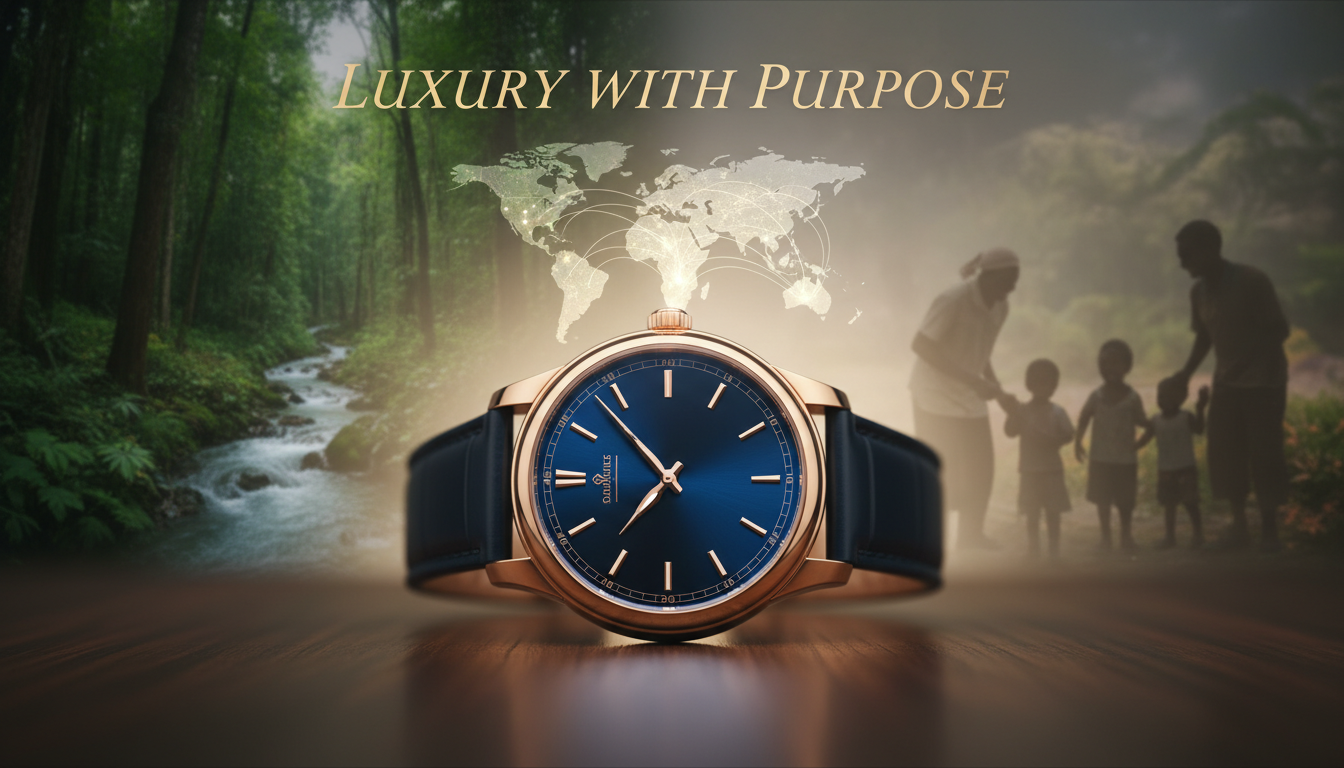
But here's the rub. Everyone's slapping a 'purpose-driven' label on things now. Most of it? Smoke and mirrors. Not real change. So, how do you spot the difference?
This isn't another corporate rah-rah piece. We're cutting through the noise, dissecting what authentic social impact actually looks like. (Think: Coach, Stella McCartney, Bulgari.) And, more importantly, how your hard-earned money can actually make a global difference or just fund another glossy ad campaign. Genuine purpose is the new battleground for luxury's soul.
TL;DR
Listen. Bottom line.
- Real impact? Not marketing. It's built in. Long game. Coach Foundation
- Fakes? Spot 'em. Hard numbers. Measurable outcomes. Coach scholars? 97% graduate. You can
- And you? Smart. Demand transparency. B-Corp (Chlo
- Most "activism" is noise. Flashy. Short-term. Zero real change.
- Authentic impact isn't just slapping a cause on a product. It
- Spotting the fakers isn't rocket science. Ask: Is this a one-off campaign or a generational commitment? Does their charity work vanish when the press cycle ends? If it feels like a trend, it probably is. The real players are integrating this stuff deep into their DNA, not just stapling it on for PR.
- And yes, your money does matter. When you buy, you
Your cash does good. Education. Green tech. Communities. Pick brands doing* it. Not just talking. Value? What it builds. Not what it costs.
Brief: The New Currency of Luxury is Impact
The Anatomy of Authentic Social Impact: A Coach Case Study
Want to see how it
Many brands talk big about "social impact," often picking a trending cause for public approval. But Coach? They looked at the numbers. What they found was a critical gap: smart, under-resourced kids excelling in high school, only to drop off before or during college due to lack of funds and support. That
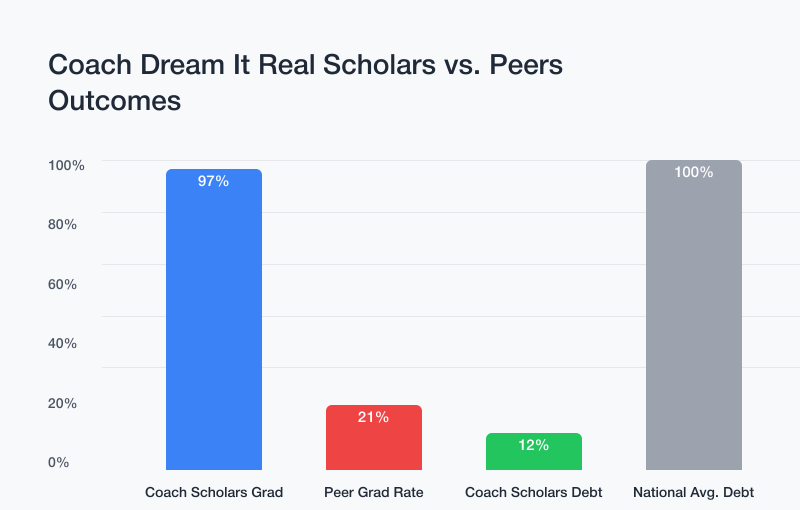
And they fix it with results you can't argue with. Their scholars achieve a 97% graduation rate. The average for their peers? A sobering 21%. This isn't a small difference; it's life-changing. Remarkably, they graduate with 88% less debt than the national average, sidestepping the crippling trap of student loans. A staggering 94% of these students are first-generation college attendees. Think about that. The data unequivocally screams impact.
But why does it work for Coach when everyone else just makes noise? It's simple: it's intrinsically built into their organizational DNA. The Coach Foundation is an endowed foundation. This means the funding is not tied to quarterly handbag sales or future projections; it's permanently set aside, a perpetual commitment. This ensures no corporate boardroom can cut funding due to fluctuating sales. It represents true stability and deep-seated belief.
And it's more than just a financial contribution. Many companies simply throw cash at a problem. Coach, however, leverages 250 of its own employees as mentors
They don't just dictate, understanding they don't possess all the answers. Instead, they partner with groups like The Opportunity Network (OppNet), not just funding them, but trusting them as equals. This is a significant shift from the usual "we're the big company, do what we say" dynamic. It's about sharing power, sharing expertise, and it demonstrably works. As Dream It Real Scholar Puspita Esha states, "They changed my life." You can't put a price on that.
Forbes ranked Coach #36 on its Best Brands for Social Impact list, a recognition earned since their initiative began in 2008, long before "purpose" became a buzzword. With a goal of 10,000 scholarships by 2030, this isn't a campaign; it's a profound commitment to building futures.
Five Hallmarks of a Genuine Purpose-Driven Brand
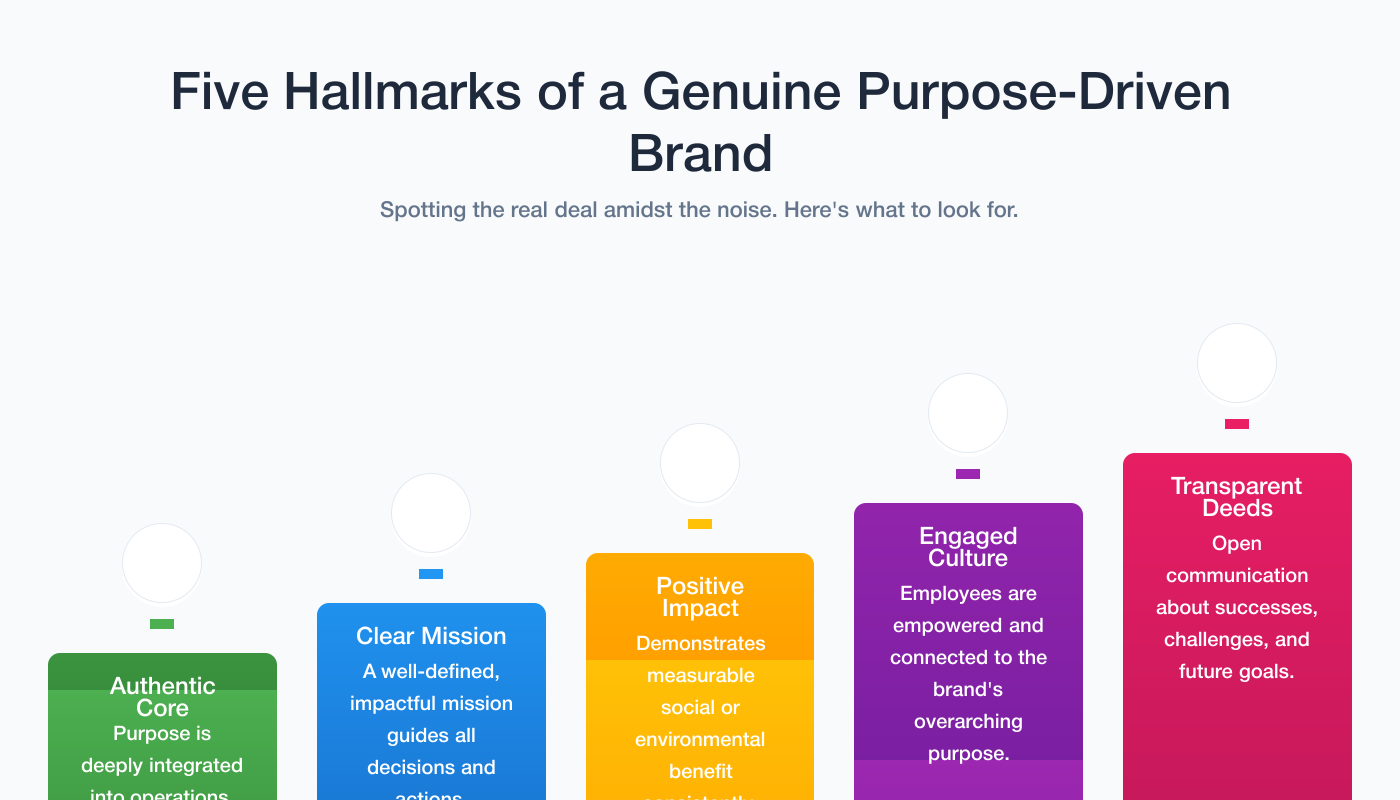
You've seen Coach: the gold standard. But how do you discern the real deal from the myriad fakes? Here are the undeniable hallmarks.
Data-Driven Focus.
Start with facts, not fleeting trends or viral sensations. A genuine program identifies a specific, measurable problem, substantiated by independent research, not merely self-serving internal surveys. They then aggressively target that issue, not merely selecting a cause for its PR appeal, which often evaporates when the spotlight shifts.
Deep Integration.
If the "social impact" team is relegated to a dusty corner of the PR department, it's likely superficial. Authentic impact is embedded in the company's culture and operations. Employees are actively involved
Trust-Based Partnerships.
Most corporations treat non-profits as supplicants, merely throwing money and expecting deference. Genuine brands, however, collaborate with non-profits as true partners on equal footing, respecting their on-the-ground expertise and building enduring relationships. Because these on-the-ground organizations understand the intricate street-level challenges far better than any corporate boardroom. Bulgari
Endowed or Perpetual Funding.
This is arguably the most critical hallmark. Is the funding guaranteed, or does it vanish the moment quarterly sales dip? An endowed foundation, like Coach's, secures that commitment, rendering it invulnerable to market fluctuations or changes in leadership, signaling profound seriousness. Anyone can spend money during prosperity; the true test comes in lean times. Always inquire about the funding model; a flaky model indicates a flimsy commitment.
Long-Term Commitment.
One-off campaigns or seasonal donations are mere marketing ploys, nothing more. Real change demands time
When Purpose Misses the Mark: Spotting Inauthenticity
You now recognize the hallmarks of genuine impact. But let
First, beware of the provocative but superficial campaigns
Then there's the rhetoric versus reality problem. Vivienne Westwood, a celebrated climate activist, loudly and proudly railed against fast fashion. Yet, Pomp.store highlighted the contradiction: her brand still produced clothes in China, utilizing plastics and polyester
The biggest red flag: marketing-led initiatives. Here, a social cause becomes a mere sales tactic, exemplified by "Buy this product, and we'll donate a percentage." It's transactional, pure and simple. It's not about genuine impact; it's about boosting unit sales. As the Executive Director of the Coach Foundation rightly stated, "This is not about good business or being cool with Gen Z." If purpose is tied to a transaction, it's merely sales draped in a fig leaf of conscience.
Finally, and critically, beware of a lack of transparency and data. If brands are vague about specific outcomes, funding allocation, or partnership details, it
So, don't fall for the pretty pictures. Don't buy the hype. Demand proof. Demand consistency. Make them show their actual receipts.
Here
The vast majority of this market is still noise, but a small, growing segment operates differently. It
So, what's next? Stop buying blindly. Demand specifics. If a brand seeks your premium dollars, they must offer more than a pretty story. Make them show the receipts. True luxury now lies in transparency, verifiable impact, and a commitment that lasts.
