

Patek Philippe: A Heritage of Masterful Horology Explored
The Stellaris Journal
Forget what you think you know about luxury brands merely pushing products. Patek Philippe, for instance, isn't simply trying to sell you a watch; they are offering a profound generational responsibility. While undeniably beautiful, each timepiece comes with the inherent weight of preserving a legacy.
Their renowned philosophy, "You never actually own a Patek Philippe. You merely look after it for the next generation," is far more than marketing rhetoric. It’s the inconvenient truth underpinning a brand that has meticulously produced fewer than a million pieces since 1839. This extreme scarcity isn't a deliberate market manipulation, but rather the natural outcome of an unwavering commitment to crafting objects designed to truly last—items you are entrusted with, rather than possessing outright.
This ethos embodies pure, unadulterated horological stewardship, meticulously built on an unbroken chain of family control, pioneering innovation, and a level of craftsmanship that makes most "luxury" offerings pale in comparison. Engaging with Patek Philippe isn't about acquiring a watch; it's about accepting a generational custodianship.
Ultimately, Patek Philippe positions its timepieces not as mere luxury items, but as enduring legacies to be safeguarded and passed through generations.
The Patek Philippe Standard: More Than a Watch, A Legacy
Upon hearing "Patek Philippe," one might initially envision just another opulent timepiece. However, this perception misses the profound truth at the brand's core. The iconic declaration, "You never actually own a Patek Philippe. You merely look after it for the next generation," is not a recent, slick marketing campaign, but a deeply ingrained philosophy—the very reason for their existence, a weighty principle that guides every decision.
Since 1839, Patek Philippe has crafted fewer than a million watches in total. This fact alone underscores an inherent, extreme rarity that is not an operational challenge but rather the fundamental premise of their entire enterprise. The Stern family, continuously at the helm since 1932, exemplifies an unbroken, independent control. This steadfast independence empowers them to disregard short-term quarterly pressures, allowing an unwavering commitment to authentic hand-craftsmanship, a practice maintained without compromise.
Therefore, owning a Patek Philippe transcends the mere acquisition of a watch; it signifies an investment in a generational legacy, an adherence to a profoundly long-term vision. This brand has never, and will never, align with the concept of disposable luxury.
Patek's enduring secret lies in over 180 years of unbroken family control, an relentless focus on artisanal craft, and the deliberate creation of heirlooms designed to outlast their temporary guardians.
The Foundations of Excellence: Patek, Philippe, and Early Innovations
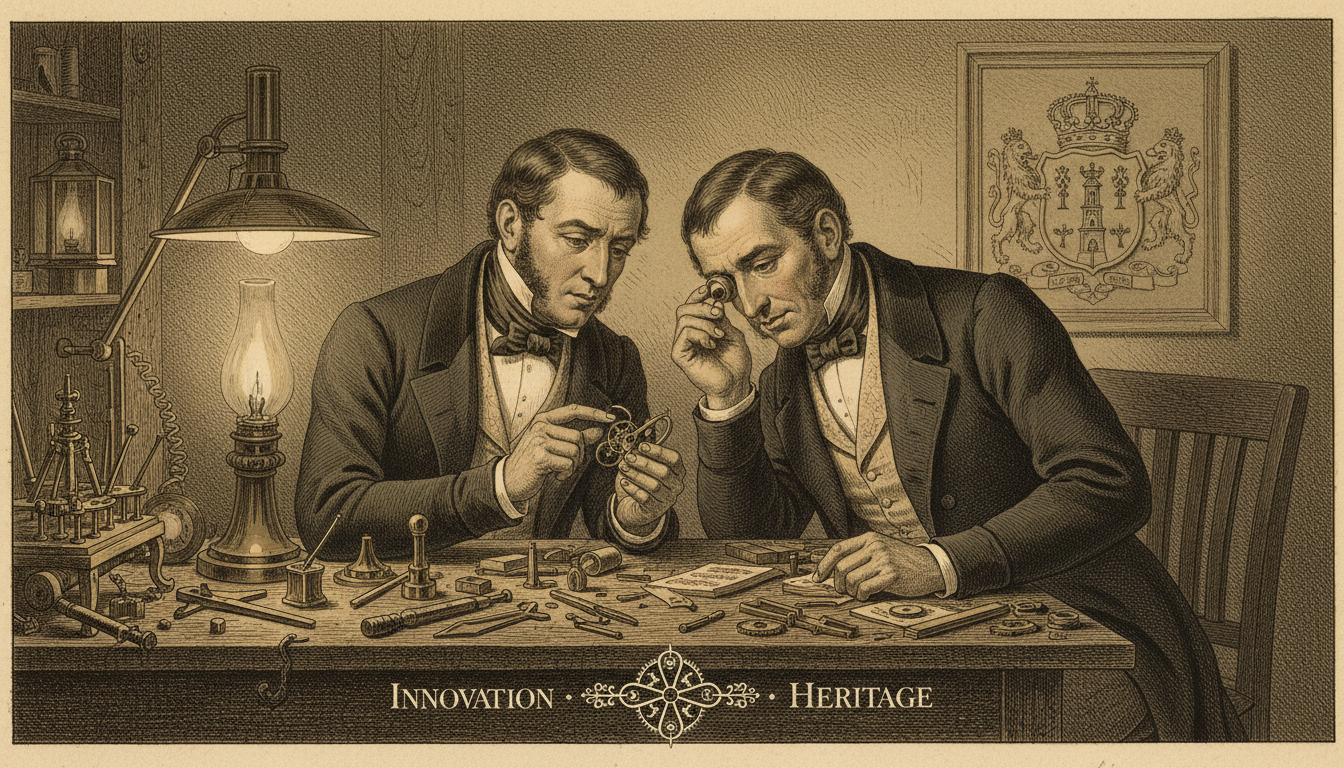
Patek Philippe's storied existence did not simply materialize; it began with definitive origins in 1839. Antoine Norbert de Patek, a Polish nobleman, initially partnered with watchmaker Francois Czapek, establishing what was then a conventional watchmaking endeavor.
The trajectory of the company profoundly shifted in 1844 when Patek encountered Adrien Philippe, a veritable engineering visionary. Philippe introduced a groundbreaking, revolutionary keyless winding mechanism, a stark improvement over the cumbersome key-wound watches prevalent at the time, enhancing both convenience and practicality for users.
Recognizing the immense potential, Patek and Philippe formalized their partnership in 1851, founding Patek, Philippe & Cie. This collaboration marked the true genesis of the brand, marrying Patek's astute market insight with Philippe's technical mastery. They were not merely producing watches but actively targeting the high-end market, securing royal and elite clientele. Their prestige was solidified when Queen Victoria acquired one of their pendant watches at the 1851 Great Exhibition—an invaluable endorsement whose lasting impact is still evident in brand recognition today. Similarweb (2024) would undoubtedly track the enduring resonance of such early celebrity patronage.
Their innovative drive continued unabated. In 1868, they produced the world's first Swiss wristwatch for Countess Koscowicz of Hungary, decades before wristwatches became a widespread phenomenon. This pioneering achievement underscores that Patek Philippe's foundation was not built on ephemeral trends but on the consistent ability to solve problems and anticipate needs long before their competitors.
Patek Philippe's esteemed reputation is not a modern marketing construct but is forged in the absolute bedrock of watchmaking history, built by visionary individuals who engineered practical solutions for the discerning elite.
The Stern Era: How One Family Secured a Legacy of Independence
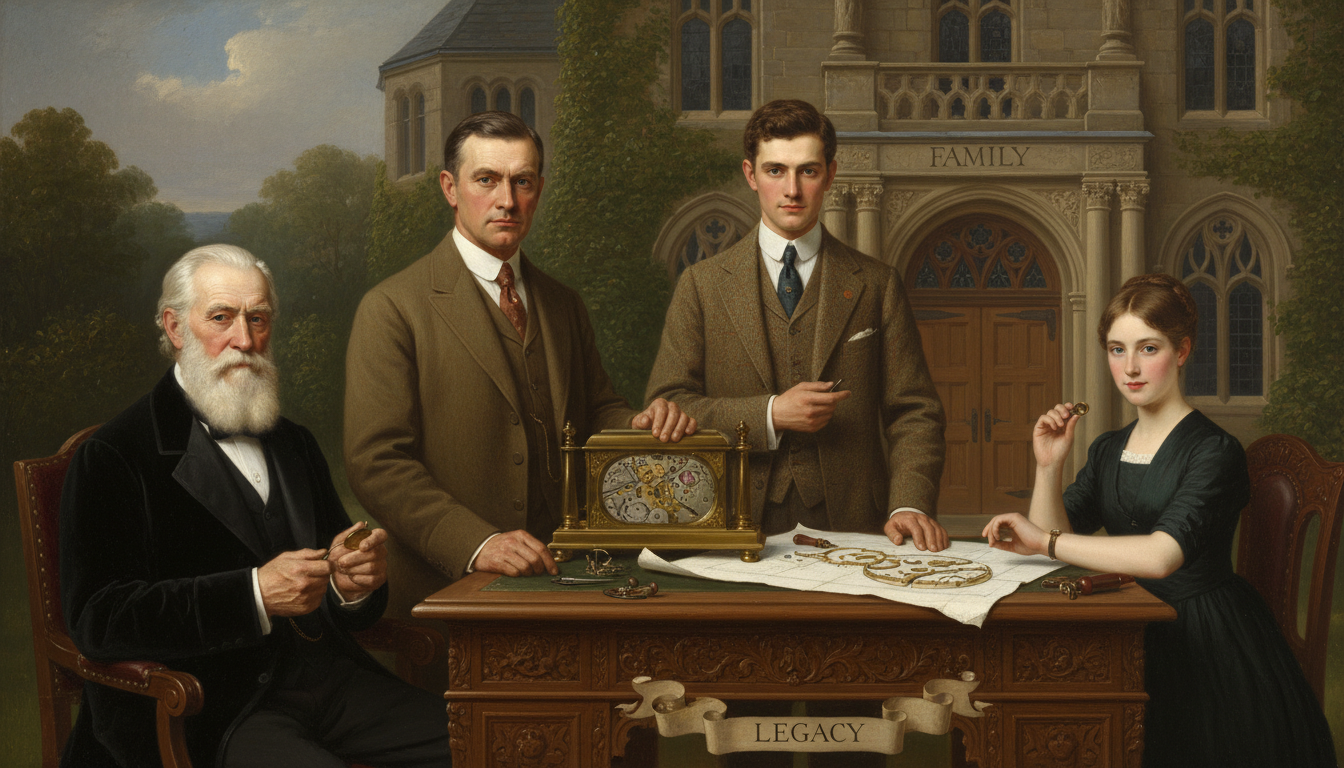
To truly comprehend Patek Philippe, one must acknowledge the pivotal year of 1932. Amidst the ravages of the Great Depression, the company faced imminent bankruptcy. It was then that brothers Charles and Jean Stern, already intimately familiar with the product as Patek's dial suppliers, acquired the ailing company. Their motivation transcended mere financial rescue; they possessed a deep understanding and appreciation for the brand's inherent quality.
Their intervention ensured Patek Philippe's enduring independence, a rare feat in an industry increasingly dominated by large conglomerates. Unlike Vacheron Constantin, Audemars Piguet, and many other luxury watch brands (often subsumed under corporate umbrellas like Richemont, LVMH, or Swatch Group), Patek Philippe remains unburdened by quarterly reporting pressures. This unwavering family ownership is the true differentiator, the source of its unparalleled value.
The Stern family, has now spanned four generations, with Thierry Stern currently serving as president. Such continuity is virtually unparalleled in the luxury sector, enabling a profoundly long-term strategic outlook focused exclusively on quality, heritage, and the multi-year, even multi-decade, development required for exceptional movements. This is not simply a marketing claim but the very core of their operational philosophy.
Under Stern leadership, iconic collections like the Calatrava and the Nautilus were conceived and brought to fruition, uncompromised by focus-group mandates. Their independence is more than a point of pride; it is a strategic weapon in a market saturated with corporate giants. This is why Patek is not merely a watch brand but an institution, shaped and preserved by one family for over 90 years.
The unbroken chain of family control is the singular reason Patek Philippe consistently sets the benchmark for watchmaking excellence, adamantly refusing to compromise its standards for external pressures.
A Century of Technical Mastery: Beyond Grand Complications
Beyond their exquisite aesthetics, Patek Philippe's true distinction lies in its profound technical prowess. This is not a brand content with merely refining existing concepts; they have fundamentally shaped the internal mechanics of high-end watchmaking through relentless invention.
The company's profound obsession with mechanical engineering is evidenced by over a hundred patents—each representing a novel approach to horological function, timekeeping precision, or ergonomic design, from intricate movements to complex calendars and even clasp mechanisms. Patek Philippe can accurately be described as an engineering firm that coincidentally produces watches.
Their historical contributions are foundational: the perpetual calendar mechanism (patented in 1889), the groundbreaking double chronograph (1902), and the revolutionary Gyromax balance (1949), which significantly enhanced movement stability. Their innovative drive consistently pushed the boundaries of what was horologically possible.
Yet, Patek Philippe never allowed itself to become mired in the past. The establishment of their 'Advanced Research' department in 2002 signaled a forward-looking commitment to cutting-edge horology. This initiative led to pioneering advancements such as silicon-based components, including the Spiromax balance spring in 2006, further elevating precision and performance.
During the devastating Quartz Crisis of the 1970s, which decimated much of the Swiss watch industry, Patek Philippe steadfastly doubled down on mechanical artistry. This resolute decision not only ensured their survival but also cemented their legendary status, demonstrating an unwavering commitment to their core principles rather than succumbing to market trends.
This century of innovation is rigorously upheld by an uncompromising commitment to quality. In 2009, they introduced the Patek Philippe Seal, a standard far exceeding any industry benchmark. This comprehensive certification applies to the entire timepiece, not just the movement, serving as a powerful declaration of their superior craftsmanship and verifiable excellence.
Patek Philippe's legacy is not merely about preserving heritage, but about an uncompromising, relentless pursuit of technical superiority that continually redefines the very pinnacle of watchmaking.
The Icons: A Guide to Patek Philippe's Key Collections
When one considers Patek Philippe, a myriad of designs and philosophies coalesce under a single, prestigious umbrella. To truly appreciate the brand, it's essential to understand the distinct narratives each collection embodies—each representing a specific horological purpose, a design triumph, or a bold market gamble that paid off handsomely.
These "collections" are not just design families; they are archetypes, each meticulously conceived to occupy a unique space within the luxury watch market, and most have achieved resounding success.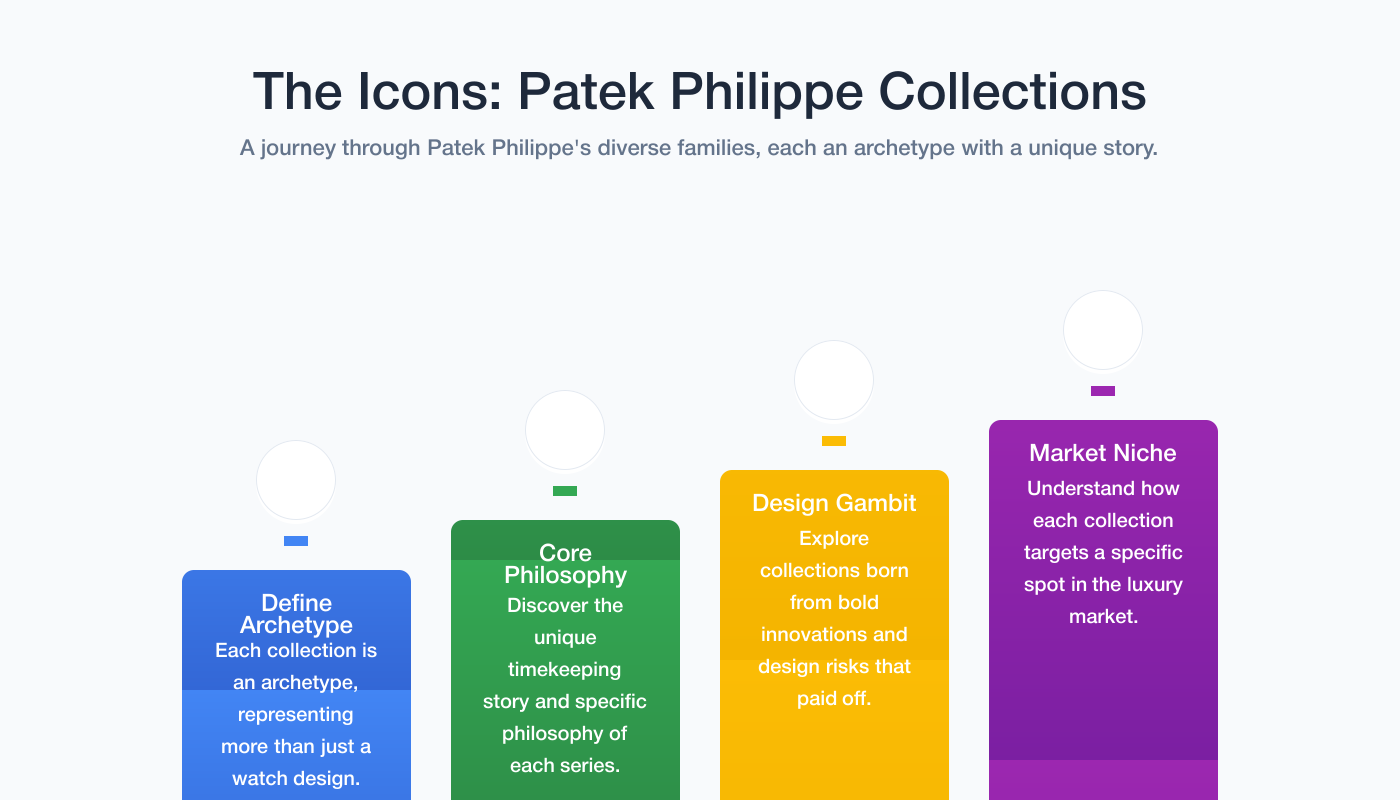
Calatrava: The Original Playbook
Launched in 1932, the Calatrava immediately established a benchmark. Its design epitomizes a round, elegant, and understated aesthetic, often cited for its minimalist Bauhaus-inspired principles. It stands as the quintessential dress watch, a subtle declaration of discerning taste, frequently cherished as a family heirloom. The Calatrava remains a timeless classic, embodying quiet sophistication.
Nautilus: The One That Broke Everything
The introduction of the Nautilus in 1976, designed by the iconic Gérald Genta, fundamentally disrupted the watch landscape. Inspired by a ship's porthole, its bold and unprecedented design was initially met with skepticism. However, it quickly ascended to become the luxury sports watch, defining a category that scarcely existed before. Today, demand remains fervent, driven by its undeniable iconic status and its transformative impact on the industry. Similarweb (2024) consistently highlights the intense market interest and traffic spikes associated with this collection.
Aquanaut: The Nautilus's Younger, Wilder Brother
Following the phenomenal success of the Nautilus, Patek Philippe introduced the Aquanaut. Conceived as a more contemporary, sportier interpretation, it features a less formal aesthetic with integrated rubber straps. It appeals to a younger, more active demographic, maintaining the brand's prestige while offering a distinct, rugged elegance suitable for leisure. Its connection to the Nautilus ensures its continued desirability.
Gondolo & Golden Ellipse: The Oddballs
These collections represent Patek Philippe's ventures beyond conventional round designs. The Gondolo, characterized by its rectangular or tonneau-shaped cases, caters to a specific, refined taste, embodying a niche elegance. The Golden Ellipse, launched in 1968, is even more distinctive with its unique elliptical case—a bold, elegant departure from traditional forms. These pieces appeal to true collectors seeking horological individuality or those who desire an unconventional yet sophisticated expression of luxury.
Each Patek Philippe collection represents a distinct chapter in horological design and market strategy, offering a diverse universe of choices, historical significance, and varying levels of demand and exclusivity.
The Philosophy of Permanence: Scarcity, Value, and Stewardship
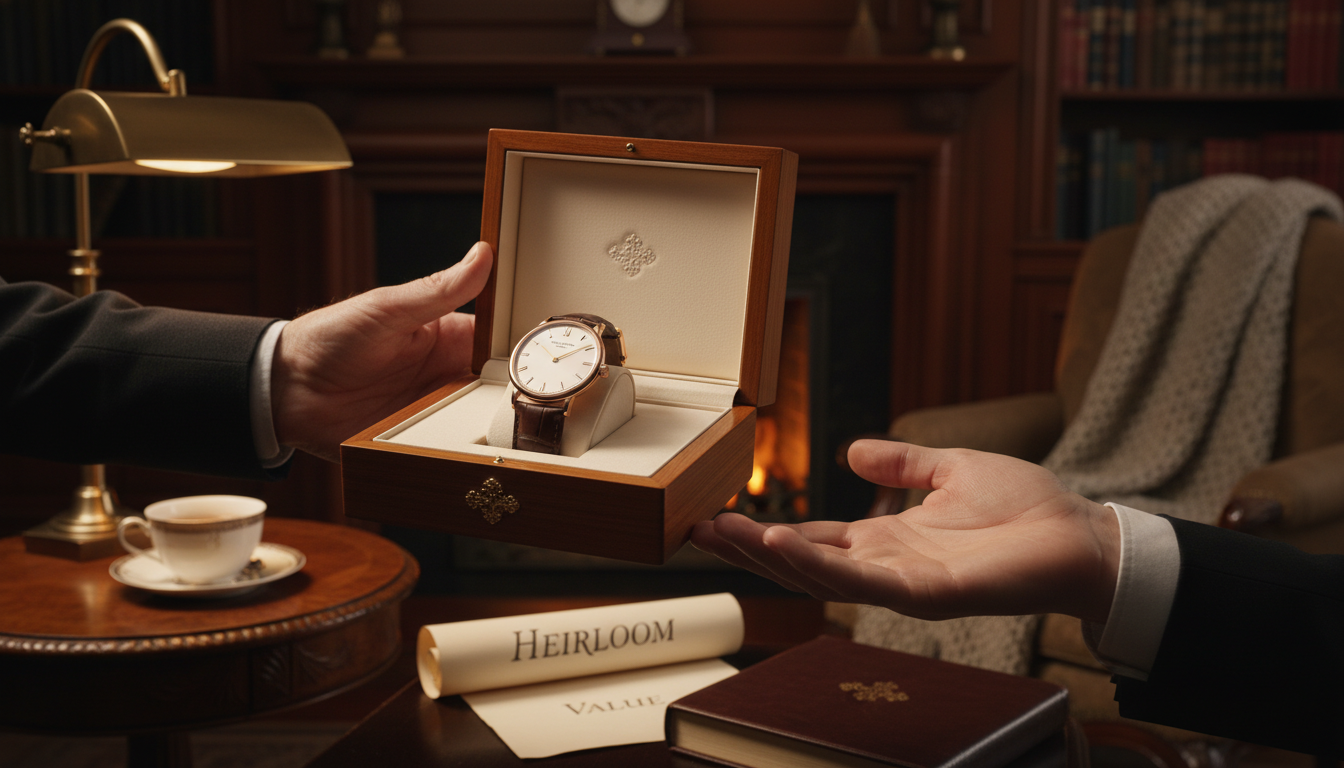
The iconic Patek Philippe philosophy, "You merely look after it for the next generation," is not just a marketing mantra; it is the fundamental tenet of their entire business model. The brand is not merely selling a timepiece but an enduring piece of familial heritage, an object to be meticulously preserved and eventually bequeathed. The owner, therefore, becomes a custodian, a temporary guardian of a profound legacy.
Crucially, the inherent scarcity—the perception of "unobtainability"—is entirely authentic, not a manufactured hype. This rarity stems directly from their uncompromising production methods. The multi-year waiting lists and extensive purchase histories required for models like the Nautilus are a direct consequence of the extraordinary time and effort invested in each piece.
A standard Patek Philippe timepiece requires approximately nine months to produce, from start to finish. More complex "Grand Complication" models can demand over two years of dedicated craftsmanship. This labor-intensive process restricts annual output to around 62,000 pieces—a remarkably low figure given global demand. Every component is meticulously crafted and finished in-house by highly skilled artisans, ensuring an unyielding commitment to quality with absolutely no shortcuts.
This profound dedication to quality cultivates immense value, both emotional and tangible. While serving as a cherished family heirloom, Patek Philippe watches also command significant financial premiums on the secondary market, particularly for sought-after models. Similarweb (2024) analytics consistently reflect this intense market demand. However, this ecosystem is not without its challenges; genuine collectors often voice frustration over rampant speculation and the difficulties of acquiring pieces directly, navigating a market often influenced by those primarily seeking to profit.
Patek Philippe deliberately sacrifices mass production for the sake of masterful execution, a strategic choice that generates authentic scarcity and underpins its unique generational value proposition, making ownership a true act of profound stewardship.
Patek Philippe Frequently Asked Questions
Content for Patek Philippe Frequently Asked Questions
*
Patek Philippe definitively sets the benchmark in haute horlogerie. Beyond any marketing rhetoric about "ownership," the core truth remains: "You merely look after it for the next generation." This is not a simple purchase; it is a temporary custodianship, a weighty responsibility for those who truly appreciate its significance.
Three critical insights to grasp:
- Unbroken family ownership, meticulously maintained by the Sterns since 1932, ensures that a long-term vision, rather than quarterly financial pressures, dictates every aspect of production, safeguarding unparalleled quality.
- Patek's innovation signifies true engineering excellence, focused on solving complex horological problems with verifiable technical mastery, rather than simply following transient trends or superficial aesthetic changes.
Rarity is not an artificial contrivance; with fewer than a million pieces produced total* since 1839, it is a direct consequence of uncompromising standards and a truly artisanal production process.
A Patek Philippe is far more than an accessory; it is a tangible symbol of generational endurance. This mechanical monument to unwavering dedication is precisely why it retains such profound and enduring value.
If you are considering acquiring one, delve beyond superficial appeal. Understand the specific model's market dynamics and identify trustworthy sources. Authenticity, transparent pricing, and impeccable execution are paramount in this rarefied domain. (For serious collectors, a specialized advisor like Stellaris can expertly navigate this intricate landscape.)
