

A Guide to Diamond Shapes: Investment Value and Aesthetic Appeal
The Stellaris Journal
Most folks eyeing a diamond get it wrong from the jump. They fixate on shape. Is it round? Princess? Emerald? Pretty, sure. But that's only half the equation. (And the less important half, frankly.)
The real kicker? What separates a decent rock from an actual investment isn't just its silhouette. It's the cut. Not the shape. The cut. And people mix those up all the time. Bad move.
Look, an excellent cut can pump up a diamond's value by thirty percent. Thirty. Percent. Regardless of its outer form. That's serious money left on the table. Or, better yet, money you gain, if you're smart about it.
So, forget the marketing fluff. We're breaking down diamond shapes
yeah, the pretty stuff
but we're also showing you where the real worth lies. In the geometry. In the way light hits it. In the craftsmanship. And how to pick something that makes your bank account (and your eye) happy.
The Foundation: Understanding Diamond Shape vs. Cut Quality
You walk into a store. Or you scroll online, endlessly, right? And what
hs the first thing you see? The shape. Round. Square. Pear. It's just the outline, you know? The outside wrapper. People fixate on it. Like it
hs the whole damn story. It
hs not. Not even close.

Because the real game? That
hs the cut. Always has been. That
hs the messy business of how a stone is actually made. Its facets. Their angles. How clean the surfaces are. And, yeah, all that technical stuff dictates how light bounces around inside. Or doesn't. You can have a perfect shape. A gorgeous pear, say. But if the cut
hs a dud? It looks like a dead rock. No sparkle. Just sits there, flat. It
hs a tragedy, honestly. You
hre buying a pretty outline, not a diamond.
I
hve seen it a thousand times. A bigger stone, right? But poorly cut. Looks dull. Like dishwater. But then you put it next to a smaller one, a really well-cut piece. And that smaller one, it just explodes with light. It practically screams, "Look at me!" Even Similarweb (2024) data shows what people actually search for, once they get past the pretty pictures. They eventually start looking for real value. And value? It
hs cut. Because the pros, the real experts in this dirty business, they
hll price an 'Excellent' cut diamond up to thirty percent higher. Sometimes more. No matter the shape. So you want to save money? Buy a lesser cut. But you'll pay for it later in regret, trust me.
And who decides what
hs good? Not your cousin, okay? Or some random website hawking garbage. It
hs GIA. And AGS. They
hre the only ones who matter. They look at a stone. They give it a grade. Excellent, yeah. Very Good. Then it goes down. All the way to Poor. And let me tell you, anything below Very Good? You're playing with fire. It's a gamble. A bad one. Don't do it.
Bottom line: The shape is a preference. A visual pick. But the cut? That's the actual performance. And performance? That's exactly where your money needs to go.
The Benchmark: Why Round Brilliant Diamonds Command the Highest Price
Alright, let
hs talk Round Brilliants. Yeah, the basic one. The default. But it
hs not basic, not at all. You see them everywhere, right? And you know they cost more. A lot more, sometimes. But why? It
hs not just marketing hype, trust me. It
hs science. And a whole lot of wasted material.
Look, this isn't some accident. The Round Brilliant, with its fifty-seven or fifty-eight facets (depending on the culet, a tiny detail you probably won
t even see) is a mathematical marvel. It was designed, engineered even, to take light and just explode it back out. Brilliance. Fire. Scintillation. You get all of it. Because those facets? They
hre precisely arranged. Not just slapped on. And that precision? That
hs what costs. It's why they sparkle like crazy.
So, cutting one of these? It
hs a mess. A total hack job, sometimes. They start with a rough diamond crystal. And to get that perfect round, that exact geometry? They have to lop off so much material. So much waste. But that waste, that translates directly to a higher cost per carat on the finished stone. You're not just paying for the diamond. You're paying for what isn't there anymore. And you're paying for the skill. Because it
hs a skill. A difficult one.
And because it
hs so damn good, so consistent, everyone wants one. They always have. Timeless appeal, they call it. I call it consistent demand. So, yeah, it
hs a stable asset. Highly liquid. You can sell a good Round Brilliant faster than almost anything else. It holds its value better. You want proof? Just check Rapaport lists. They consistently show these things priced higher. Per carat. Every single time. Even for similar quality. But other shapes? They fluctuate. Wildly.
They're the most researched. The most standardized. So you know what you
hre getting. There are established ideal proportions. So you
hre not guessing. And, yes, they
hre still the most popular shape for engagement rings. Like, by a mile. You just can
t beat the sparkle. It
hs the benchmark. For a reason.
The Round Brilliant is expensive because it's engineered for light. And because they cut away so much to make it perfect. It
hs a superior product. End of story.
Value in Variety: Analyzing Popular Fancy Shapes
Round Brilliants. Everyone wants one. Easy choice. But you? You're here for something different. Something smart. Because here
hs the thing: those "fancy shapes"
Ovals, Pears, Emeralds, you name 'em
they often give you more bang for your buck. More visible stone. A bigger look, for the same weight. Seriously. You buy a 1-carat Round and a 1-carat Oval? That Oval looks like it ate the Round for breakfast. It just does. And that
hs a good play. A smart play. Because who doesn't want to save some cash (or get a bigger rock) without anyone knowing the difference?
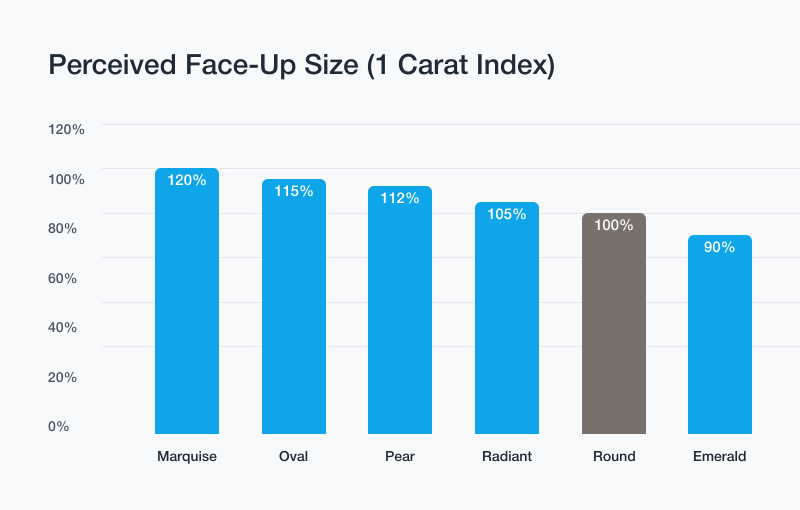
So, yeah, these fancy shapes. They're not just about looking different. They
hre about perception. What you see. And what you don't see. The choice isn't just sparkle versus no sparkle. It changes everything. How light hits it. How color shows up. Or those annoying tiny flaws. An Emerald cut? Brutal. It lays everything bare. But an Oval? It hides a mess pretty well. And guess what? Demand for shapes like Oval and Emerald? Still crazy strong. They aren
t going anywhere. But it
hs not just celebrity engagement rings sparking this (though they sure help, Similarweb (2024) traffic spikes prove it). It
hs because people are finally waking up. They
hre looking for value. Not just the default.
Let's break down the chaos. The two main ways these things get cut.
Brilliant Cuts: All About That Sparkle (Mostly)
These are your flashier ones. Think of a million tiny mirrors. That's the idea. They're designed to kick light back at you. Lots of small facets. They call it "brilliance."
- Princess. Square, sharp corners. A lot of people go for these. But watch those corners. They chip like crazy. You gotta protect them. So, yeah, looks cool, but it's a risk. (Not a huge one, but it's there.) And it's not forgiving on color. Shows yellow fast.
- Cushion. Used to be "old mine cut." Kinda squarish, but with soft, rounded edges. Pillow-like, you know? So, they're classic. And very trendy right now. They hide color pretty well. So, you can probably drop a color grade or two and still be good. That means more money in your pocket. Or a bigger stone.
- Oval. This one's the superstar. Elongated. That
- Emerald. My personal favorite. When it's good, it
- Asscher. Like a square Emerald cut. Same rules apply. You need clarity. You need clean. And it
- Round brilliants remain the market's benchmark for liquidity and price, a safe harbor. But fancy shapes, when cut well, offer personality and unique appeal
- And if you're playing with fancy colored diamonds, the rules shift entirely. Shape then becomes a critical partner in intensifying that rare hue. It's a whole different game.
hs the secret. It just looks bigger than other cuts of the same weight. Seriously. An Oval, a Pear, a Marquise
they all have a larger 'face-up' surface area per carat. Your finger looks longer too. Slender. That
hs a bonus for some. And they sparkle. A lot. You want more apparent size for your money? Go Oval. Many modern collections, such as The Stellaris Collection, feature exquisite ovals for this very reason.
Step-Cuts: Clarity or Bust
These are a different beast. Not about the sparkle. At all. They're about clean lines. Long, straight facets. Like stairs. And because of that, they don't hide anything. You need a clean stone here. Top clarity. No room for error.
hs stunning. Architectural. But like I said, it
hs a magnifying glass for flaws. You need a high clarity grade. VVS, VS... you can't mess around with SI here. Not unless you want to see a tiny black spot staring back at you every time you look down. But the cool factor? Off the charts. It's a statement. And it emphasizes color, for better or worse.
hs got that cool "hall of mirrors" effect when you look into it. A bit more vintage. More unique. So, if you want something that screams "I know what I'm doing," this is it. But again, you gotta pay for the clarity. No shortcuts.
Look, no fancy shape is going to give you the pure light return of a Round Brilliant. That's just physics. But who cares? Each one offers a different vibe. A different look. A distinct value. Some appear huge. Some hide color better. Others demand perfection. It
hs all about what you want. And what you're willing to pay for. So, pick your poison. But pick smart. And stop letting those Round Brilliant purists tell you what's good.
---
The Ultimate Rarity: How Shape Enhances Fancy Colored Diamonds
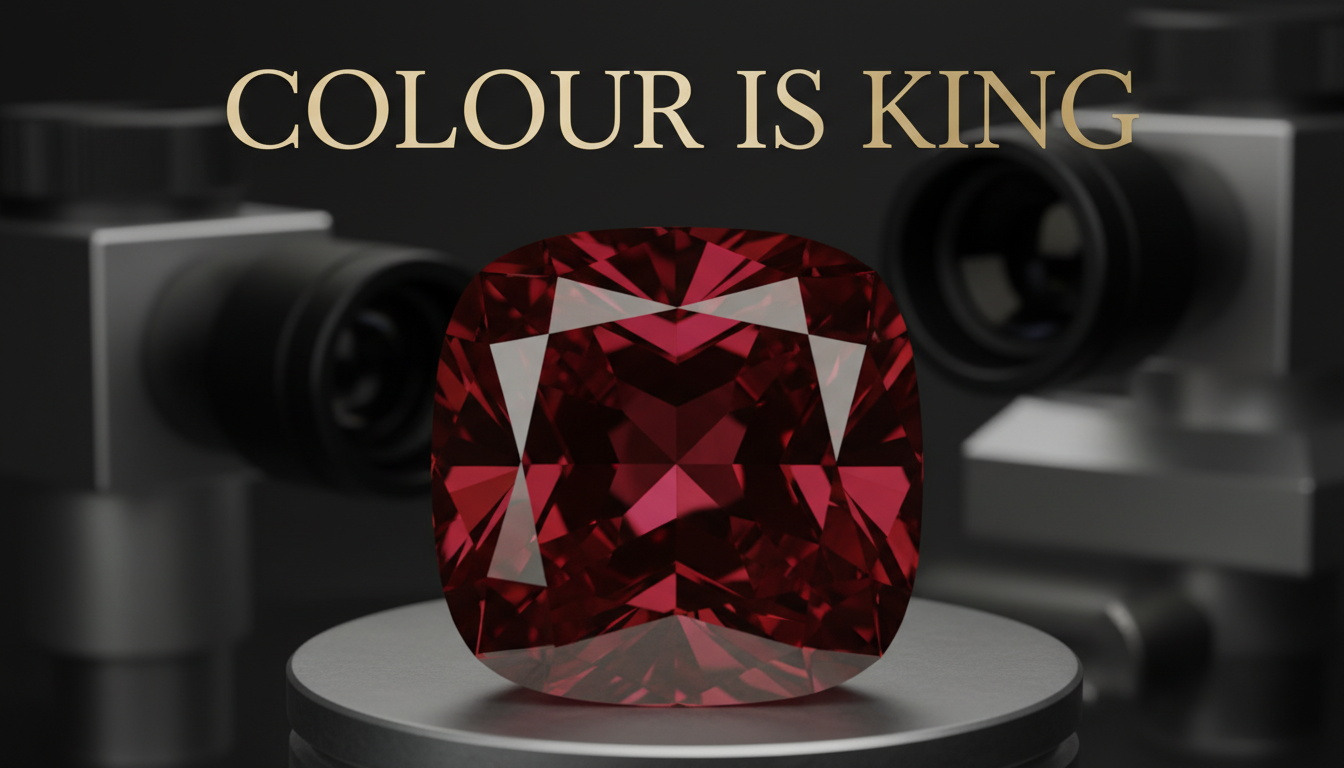
Color. That's the game now. Not just brilliance. Never just brilliance. For fancy colored diamonds, you throw out half of what you think you know about cut. Because here, the color is the boss. The intensity. The purity. That's where the value is. Not how much light it kicks back. And so, a cutter? They pick a shape not to make it sparkle like crazy, but to make that color sing. To make it deeper. Richer.
Think about it. These stones are rare. Crazy rare. We
hre talking 0.4% of all diamonds graded by GIA in the last twenty years. Almost none. So, when you find one, especially something like a Red (the rarest, by a mile) or a Blue (Cullinan mine, only significant source), you don't mess it up. You don't chop it down for brilliance. You protect the color. You trap it. And certain shapes? They just do that. They're designed for it.
Cushions, Radiants, Pears. These are the workhorses for colored diamonds. They hold onto that color. Intensify it. That's why you see these shapes all over the auction records. The Oppenheimer Blue, the Graff Pink
fancy shapes, every one of them. Because the cutter's job wasn't to make it a light show. It was to squeeze every ounce of color out of that rough stone. To make it pop. To get that "Fancy Vivid" grade. So, yeah, gemological articles explain how pavilion depth and facet arrangement in a Radiant cut can just suck up all that color and push it to the top. It's science. It
hs art. It
hs money.
But it
hs a balancing act, you know? Because you also want to keep as much of that raw crystal as possible. Every point of weight matters. So, the shape decision? It's a damn tightrope walk. You're trying to retain carat weight and get the most valuable color grade. And sometimes, you go against the grain. Like the Mouawad VIMP. A Fancy Vivid Yellow. Unconventionally cut as a round brilliant. Very rare to see. But that was an exception. Most times, the shape bows to the color. Because the color is the value. The story of the DeYoung Red? It's all about that unique color, and its shape serves that. It doesn't fight it. For colored diamonds, shape isn't just aesthetic; it's a tool to get the most valuable color from that stone. It
hs the ultimate strategic move.
Alright, you've sifted through the noise. Good. Because what most folks miss, and what often costs them cash, is the brutal truth: a diamond's shape is just its silhouette. The cut? That's the engine, the real driver of both its sparkle and its worth. Ignore that at your peril.
It's not about chasing the latest fad or blindly trusting some marketing spiel. It
hs about knowing the mechanics, the market, and what holds value. And sometimes, (let's be real) what just looks right for you. But don't confuse personal taste with market reality. The two are rarely the same.
Shape and cut are distinct; cut quality consistently dictates up to 30% of a diamond's value and visual impact. Don't skimp there.
Here's the bottom line:
just know their specific market dynamics.
Ultimately, get the stone you connect with. But also understand the actual economics of what you're buying.
So, what now? Don't just sit there scrolling pictures. Go look at some diamonds. Better yet, talk to someone who lives and breathes this market, someone who provides clear, actionable insight on value and authenticity. Not just a sales pitch. Get a real read and see how shape and cut come to life in investment-quality diamonds.
