

The Future of Luxury Retail: How Direct-to-Consumer Models Are Redefining Exclusivity
The Stellaris Journal
A significant portion of luxury sales
– fully a fifth
– will be conducted online by 2025. This isn't a speculative forecast; it's an imminent reality that is fundamentally disrupting traditional retail models. The era of department stores and third-party distributors as primary channels is rapidly fading, rendering them relics of a bygone era.
Their successor? Direct-to-Consumer, or DTC. This paradigm shift transcends merely launching an e-commerce site; it signifies a strategic embrace of total brand control, from product inception to final delivery, something modern luxury platforms like The Stellaris Collection are built upon.
This profound transformation isn't eradicating exclusivity; rather, it's redefining it, compelling brands to actively earn and cultivate it anew. Those who master this direct connection are not just adapting; they are actively writing the next chapter of luxury.
The Digital Shift: Why Luxury Is Going Direct
The traditional wholesale model, reliant on department stores, was inherently flawed. Brands relinquished control over their meticulously crafted products
– from watches to handbags
– to intermediaries, gaining zero insight into customer demographics or purchasing motivations. This antiquated model is not just dying; it's actively being rendered obsolete, and deservedly so.
Compounding this shift is the emergence of a new generation of consumers: Millennials and Gen Z. These digital natives don't merely use the internet; they inhabit it. They demand instantaneous, seamless experiences across all touchpoints. For them, a brand lacking a robust digital presence simply ceases to exist. Adaptation is no longer optional; it's a prerequisite for survival.
The undeniable catalyst was the global pandemic, which brought physical retail to a standstill. It forced even the most resistant luxury brands to embrace digital transformation. E-commerce instantly transitioned from a convenience to the sole avenue for sales. Projections from McKinsey reinforce this: by 2025, one-fifth of all personal luxury purchases will occur online, representing substantial revenue.
Crucially, technology has matured to meet these demands. Augmented Reality (AR) try-ons and sophisticated AI recommendations, once considered novelties, now deliver tangible value. Brands can engineer truly personalized online experiences, maintaining exclusivity and high-touch service, albeit through a digital interface. The fundamental landscape of luxury retail has irrevocably shifted; brands failing to recognize this are already at a significant disadvantage. Eighty percent of luxury sales are already influenced by digital interactions (Similarweb, 2024), and by 2030, Gen Z and Millennials will constitute 80% of the market.
Pillar 1: Owning the Customer Relationship
This direct channel is where significant value is generated. By bypassing department stores and their associated markups, brands establish an unmediated connection with their clientele. This isn't merely about increased revenue, though that is a clear benefit; it's fundamentally about gaining profound control and invaluable information.

Direct access provides pure, first-party data
– a goldmine of insights. Brands can discern precise customer preferences, shopping behaviors, and motivations, unlike the aggregated, anonymized data offered by retailers. This granular understanding of individual purchase patterns is far more potent than any broad advertising campaign; it is the core engine of growth.
This rich data is then leveraged for hyper-personalization. It enables the creation of marketing messages that genuinely resonate and the recommendation of products precisely tailored to individual desires, rather than generic offerings. Beyond immediate sales, this data informs future product development, ensuring that creations align with actual market demand.
Furthermore, brands gain complete ownership of the entire customer journey, from initial discovery to the crucial unboxing experience and comprehensive post-purchase support. This unwavering consistency in delivering a high-quality experience at every step is fundamental to building lasting loyalty. Pioneering brands like Warby Parker and Everlane have built formidable businesses on this principle, and legacy brands are now aggressively investing in their own direct e-commerce capabilities. By owning the customer relationship, brands shift from transactional sales to cultivating deep, enduring connections
– a strategic imperative for long-term success. This intimate customer knowledge facilitates a guided online experience, mirroring the personalized service of an exceptional in-store assistant.
Pillar 2: Redefining the Luxury Experience
The notion of luxury existing purely online seemed contradictory just a few years ago. The essence of "white glove service" and the hushed sanctity of a boutique felt inherently physical. Simply listing a high-value item on a website was insufficient. Yet, Direct-to-Consumer brands are mastering this challenge, not by imitating the past, but by forging new paradigms.
The core objective is to cultivate a distinctive digital sensory experience, transcending a mere transactional interface. How are they achieving this?
- Screen-Deep Immersion. This entails crafting exceptionally well-designed websites and digital content that resonates. Beyond clean aesthetics, it's about high-resolution imagery, compelling video storytelling that evokes emotion, and an integrated unboxing experience that serves as a crucial physical touchpoint within the digital journey. These seemingly minor details significantly enhance emotional engagement.
- Meaningful Technological Enhancements. While AR and VR can sometimes feel like gratuitous features, certain brands are deploying them with strategic intent. Virtual try-ons for footwear or makeup, such as those offered by Gucci's app, provide crucial visual confirmation for high-value purchases, mitigating the absence of physical interaction and bolstering consumer confidence.
- Digitally Driven Personalization. The bespoke service once reserved for VIPs in exclusive boutiques is now accessible via mobile devices. Leveraging direct data, brands can initiate appointment-only virtual viewings and implement hyper-personalization, fostering a sense of genuine understanding and connection with the individual, rather than just their purchasing power. This approach rectifies the inherent impersonality of generic online interactions.
- Quiet Luxury. Profound Impact. This "stealth wealth" prioritizes substance over overt branding. It
- Demanding Transparency. Transparency is no longer a mere buzzword; for luxury, it's a critical differentiator. Consumers, particularly Gen Z and Millennials (with Mintel reporting 50-60% prioritize ethics), demand clarity on pricing, sourcing, and production conditions. Brands unable to provide compelling, direct answers risk alienating a significant portion of their market. Direct channels facilitate this open dialogue, unburdened by intermediaries.
- Beyond Selling: Cultivating Sustainability. Circular economy models
- Verifiable Authenticity Through Technology. Technologies like blockchain and QR codes, typically associated with commodities, are being adopted by luxury brands to establish unimpeachable authenticity. They provide digital provenance for diamonds or watches, eliminating counterfeits and offering irrefutable peace of mind through digital certification. Pioneering efforts by Patek Philippe and Chanel highlight the growing importance of this assurance.
- Social Media: Your Brand's Voice and Listening Post. The era of one-way broadcasting is over. Social media serves as the vibrant hub for brand communities. It's a platform for genuine dialogue, fostering a loyal following
- Products That Evoke Emotion. While quality is non-negotiable, it's no longer sufficient. Products must possess a distinct character, something that elicits joy, admiration, or a profound sense of specialness. These unique attributes create an emotional resonance that ensures memorability and repeat engagement. Loyalty is built on experiential value, not just functional utility.
- Unwavering Seamlessness. The expectation for a fluid, uninterrupted experience across all channels
- Proving Value, Not Just Pricing. Cost-effectiveness in luxury is nuanced; aggressive price cutting is counterproductive. Instead, brands must offer transparency, openly articulating the rationale behind their pricing. Everlane's model of displaying cost breakdowns exemplifies this, building trust and demonstrating respect for the consumer. It's not about being the cheapest, but about being fair and unequivocally proving the inherent value. This deep-seated trust yields significant dividends in long-term loyalty.
- This transformation extends far beyond simply integrating an e-commerce function. It demands a comprehensive re-engineering of the entire value chain. Brands must now fully own the customer relationship, from the initial touchpoint to repeat purchases, leveraging proprietary data and insights, creating a comprehensive ecosystem similar to The Stellaris Collection.
- Exclusivity has evolved beyond mere scarcity. It now signifies meticulously curated access and personalized experiences, enabled by intelligent technology and delivered directly. This allows a brand's authentic narrative to unfold unfiltered by third-party intermediaries.
- Loyalty, in this new landscape, is cultivated through genuine connection and a deep alignment with the values of modern consumers: transparency, purpose, and an authentic dialogue rather than a one-way broadcast.
The 'Phygital' Integration. Modern consumers reject the false dichotomy of online versus* in-store; they demand a unified, blended experience. Emerging retail spaces function not just as sales outlets but as immersive brand narratives and experience hubs. Dior's multi-million dollar investments in flagships, for example, aim to deepen brand connection and enable sensory interaction, often leading to online purchases, or vice versa. Innovations like Gucci and Farfetch's 'Store of The Future' (Similarweb, 2024) exemplify this fusion of online data with the physical retail journey.
Ultimately, this evolution transcends mere sales; it's about ensuring the digital experience is as exclusive, unique, and compelling as its physical counterpart, necessitating a holistic reimagining of every brand touchpoint.
The future of luxury experience is not confined to online or offline; it is a seamless, integrated continuum. Brands that fail to embrace this comprehensive approach risk becoming obsolete.
Pillar 3: Meeting the Modern Consumer's Values
The era of ostentatious branding is receding. A significant demographic shift, particularly among those under 40, indicates a move away from overt displays of wealth. The rise of "quiet luxury" is not a fleeting trend but a profound cultural shift. Consumers now prioritize intrinsic quality, impeccable craftsmanship, and superior materials, communicated with understated sophistication. Ethical values are more critical than ever before.
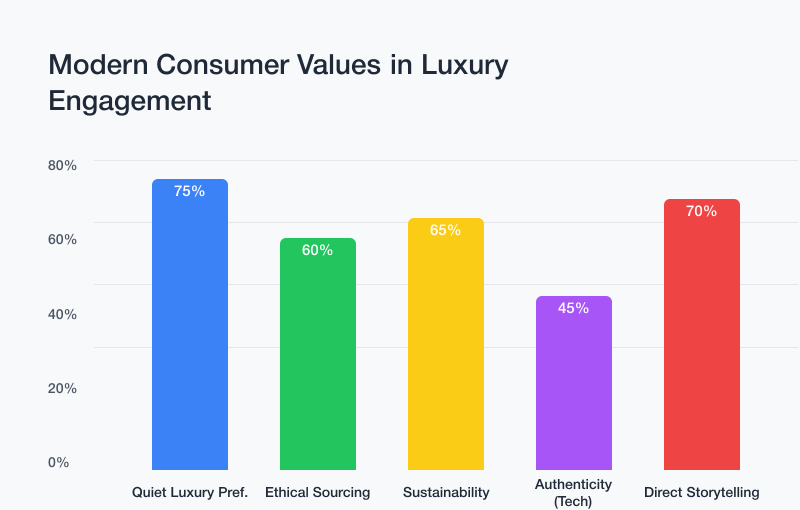
Direct-to-Consumer brands are uniquely positioned to address this, built as they are for authentic, unmediated communication.
’s about the discerning appreciation for why a product excels
– the exquisite fabric, the precise stitching, the perfect cut. This is a subtle affirmation, not a blatant declaration. DTC channels empower brands to articulate this intrinsic story without resorting to superficial marketing.
– including resale, rental, and repair
– are transitioning from niche concepts to integral components of the luxury package. Forward-thinking brands are embedding these into their ecosystems; Chanel
’s QR system for bag traceability (demonstrates traffic impact) exemplifies this. This commitment extends beyond environmentalism to underscore longevity and enduring value, offering consumers new modes of brand interaction and affirming the wisdom of a high-value purchase through its extended lifecycle.
Ultimately, this evolution transcends mere sales; it's about building trust and aligning with the deeply held values of contemporary consumers.
For the discerning modern consumer, luxury is defined not by its price tag, but by its intrinsic values. Brands that fail to transparently and directly demonstrate these principles will struggle to compete.
The DTC Marketing Playbook for Building Loyalty
Loyalty is frequently discussed, but its cultivation within luxury, where discerning clients demand excellence yet remain open to new options, presents a unique challenge. It's not fostered through price reductions, which can devalue a brand, but through profound connection. This is precisely what a well-executed DTC strategy is designed to achieve.
The blueprint for this loyalty transcends complex algorithms; it's about leveraging classic human connection, amplified by modern digital tools.
– a true tribe. Brands like Perfect Diary and Glossier have built substantial enterprises almost entirely through this engagement. The focus shifts from merely showcasing products to co-creating our product narrative, forging a deep emotional bond that drives sustained engagement.
– online, in-app, email, and in-store
– is absolute. A customer journey initiated on a mobile device should effortlessly transition to a website, and then to a physical boutique, feeling like a single, continuous conversation. This functional excellence and convenience build trust. Ease of interaction and purchase encourages repeat engagement. Academic research (Similarweb, 2024, highlighting the adverse impact of clunky experiences on traffic) consistently underscores the importance of multi-channel integration.
Ultimately, this approach hinges on respect: respect for the product, respect for the customer, and a commitment to engaging authentically wherever they are.
In the DTC landscape, loyalty is not purchased through discounts; it is meticulously earned every day through exceptional products, frictionless experiences, and transparent, human-centric communication. Social media is merely the conduit.
The traditional luxury retail playbook is not merely undergoing a shift; it's experiencing a complete systemic overhaul. Brands that continue to rely on antiquated department store models are operating on borrowed time, a pattern observed repeatedly across disrupted industries.
The imperative is clear:
The contemporary battleground is no longer for physical shelf space but for direct mindshare
– for a brand's true voice to cut through the pervasive noise.
The path forward is unequivocal. Brands must proactively establish robust direct channels, master the art of unmediated communication with their clientele, and unequivocally own their narrative. Failing to embrace direct-to-consumer means relinquishing control, risking commoditization, and ultimately, obsolescence
– making the decision less of a choice and more of an imperative.
