

Patek Philippe Nautilus: A Guide to Its Investment Potential
The Stellaris Journal
So, you've heard the Patek Nautilus is an investment—a 'sure thing,' even. Perhaps you saw the headlines about the 5711 steel models? Post-discontinuation, some pieces indeed soared 35-45% over retail. That's significant capital. But let's cut through the hyperbole. This isn't your daddy's dividend stock; it's a watch (a remarkably expensive one, at that). And if you believe it's a simple path to instant riches, you might be in for a rude awakening. Or, a meticulously calculated win. The outcome hinges entirely on what you truly understand.
TL;DR
Stop viewing the Patek Philippe Nautilus merely as a stock-market ticker. While undeniably an asset, it’s one that demands profound patience and a thick skin. If your goal is a quick flip, reconsider; you’re likely to find yourself holding the bag.
The stark reality is this: select steel models, such as the now-discontinued 5711, command premiums of 35-45% above retail. Yet, acquiring one directly from an authorized dealer is a near impossibility. You're confronting a level of scarcity that makes even Rolex production seem prolific. Data from Similarweb (2024) confirms that global search volume—and by extension, consumer hunger—for these specific references remains exceptionally high.
The fundamental math is unequivocal. Patek Philippe produces approximately 50,000 watches annually across its entire catalog. In contrast, Rolex’s annual output approaches 1 million units. This isn't marketing hyperbole; it represents a profound supply chain bottleneck that inherently drives secondary market prices into the stratosphere.
The Bottom Line: You are not simply purchasing a timepiece; you are seeking entry into an exclusive club. Expect to navigate years-long waiting lists or pay a significant premium on the secondary market. Either path requires a substantial investment.
*
Understanding the Pillars of Nautilus Value
Enthusiasts often romanticize the 'design heritage' of the Gérald Genta era, waxing poetic about the iconic bezel and case shape. While valid, such sentiments are largely secondary to the core driver of the Nautilus's enduring value: its profound and persistent scarcity.

Patek Philippe fundamentally rejects a volume-driven strategy. Where other luxury brands actively expand production to meet demand, Patek meticulously constrains its output. Annually, approximately 50,000 units are produced across its entire diverse catalog. When focusing solely on the Nautilus line, these figures become even more infinitesimal.
This controlled scarcity is the primary engine of the vibrant secondary market. Collectors understand that simply walking into an Authorized Dealer (AD) and purchasing a Nautilus is an unrealistic fantasy. Online forums, particularly Reddit, are replete with anecdotes of prospective buyers, prepared to commit six-figure sums, being consistently denied or 'ghosted.' It's an intensely competitive and often frustrating landscape.
Beyond scarcity, the craftsmanship is simply unparalleled. A close examination of the finishing reveals a level of detail far removed from mass-produced luxury; this is hand-finished artistry. The Nautilus transcends a mere tool watch; it is a meticulously crafted, high-end asset class. The intricate movement, the precision casing, the refined dial work—these elements reside in a different stratum altogether compared to the more industrially scaled luxury items prevalent today.
The Nautilus commands its premium not due to transient hype, but because its acquisition is exceptionally challenging, and the artisan labor invested in each piece is, quite simply, extraordinarily costly.
*
A Tale of Two Metals: Steel vs. Gold Investment Performance
A pervasive misconception, the 'Gold is Better' trap, ensnares many novice watch investors. The assumption is often that because gold is a precious metal, it inherently represents a superior investment vehicle within the luxury watch market.
This assumption, however, is demonstrably incorrect.
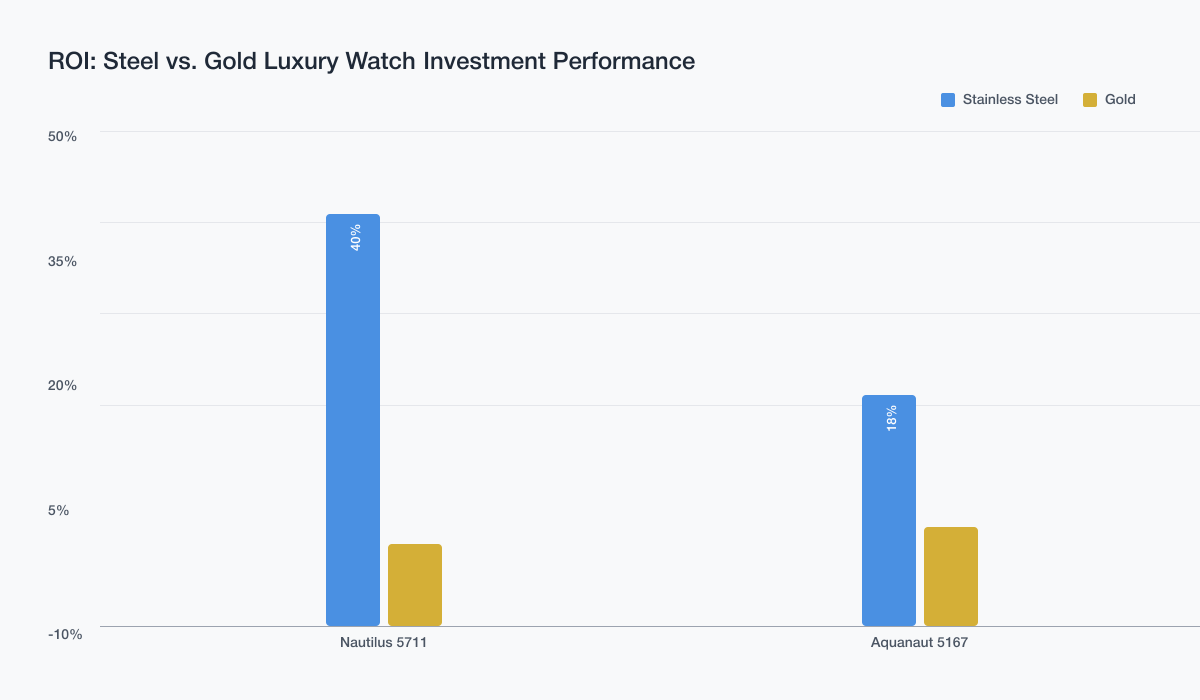
The data is stark and unambiguous: stainless steel sports models reign supreme in terms of Return on Investment (ROI). A 5711 in steel, for instance, has proven to be an undisputed juggernaut, consistently commanding 35-45% over its retail price. Introduce that identical reference in white or rose gold, and the appreciation curve flattens significantly, occasionally even dipping below retail during market corrections.
The divergence in performance is rooted in demand demographics. The steel Nautilus serves as the quintessential status symbol for the discerning 'if you know, you know' cohort, and this specific demand fuels exorbitant secondary market values. Gold iterations, perceived as dressier, less versatile, and ultimately less liquid, do not generate the same fervent demand.
Consider the Aquanaut 5167, another steel icon, as a valuable benchmark. This model reliably sustains a 15-22% premium over retail, serving as the Nautilus's accessible sibling and reinforcing the market's insatiable appetite for steel sports watches.
If your objective is a tangible investment return, prioritize steel models; if your desire is a gold watch, acquire it for personal enjoyment, as market data unequivocally supports the superior appreciation of steel.
*
The Hidden Costs: Navigating the Acquisition Minefield
The published retail price of a Nautilus is often an illusion. While prospective buyers dream of list price acquisition, the reality is considerably more complex and costly. Securing a Nautilus from an Authorized Dealer (AD) is less about having capital and more about cultivating a 'relationship'—industry parlance for allocating substantial funds to ancillary, often undesirable, purchases.
The AD ecosystem functions as a rigged casino. You present your coveted wishlist, greeted by a courteous smile, only to discover they are not directly selling you the watch. Instead, they are offering the privilege of being ignored until you have demonstrably spent hundreds of thousands on jewelry, less desirable models, or other inventory.
Consider the infamous lawsuit involving Shreve & Co., where a client reportedly spent $220,000 on unrelated inventory in a futile attempt to secure a $109,000 Nautilus, ultimately never receiving the watch. This illustrates that you aren't merely paying the list price; you're incurring an exorbitant 'admission fee' that instantly becomes a significant net loss should you attempt to liquidate those prerequisite purchases. Furthermore, assuming the secondary market is a straightforward alternative would be a grave miscalculation.
The secondary market is an entirely different beast. Here, you bypass the AD waitlist by paying a substantial premium over retail, but in doing so, you assume inherent risks. Without the expertise to identify a 'franken-watch' (a timepiece assembled from non-original parts) or a poorly polished disaster, you are effectively incinerating your investment.
Finally, factor in ongoing maintenance. Patek Philippe's service requirements operate independently of your investment timeline; they mandate servicing every 3–5 years. This is not a recommendation but a critical prerequisite to ensure the movement's longevity and preserve the watch's intrinsic value. Owners face a recurring, significant expenditure every few years simply to prevent their prized asset from degrading into a costly paperweight. Despite consistent high market interest (Similarweb, 2024), many buyers remain woefully unprepared for the full spectrum of friction involved in true ownership.
The Reality: Unless you are prepared for significant premiums or adept at navigating complex retail politics, your capital would be better deployed elsewhere.
*
A Practical Framework for Your First Nautilus Investment
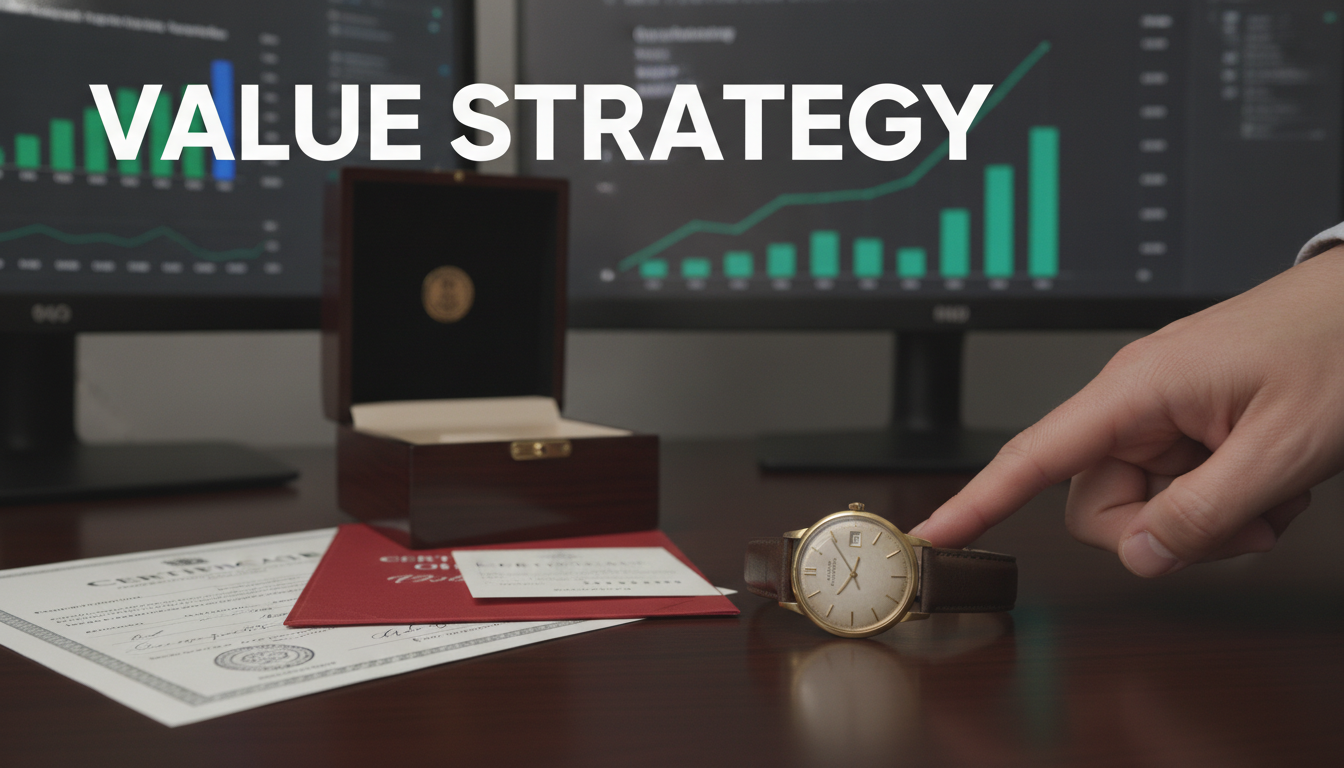
Cease approaching this endeavor as a mere hobby; instead, frame it as a strategic capital allocation. Before any acquisition, meticulously define your intent: Are you a passionate collector, or are you primarily seeking financial yield? Understanding this distinction is crucial, as the pursuit of appreciation demands a different strategy than that of acquiring a piece of horological history.
Begin by reverse-engineering your potential exit strategy. If acquiring from the secondary market—which is the most probable scenario—restrict your transactions exclusively to trusted, highly reputable operators. If a vendor cannot furnish a comprehensive condition report or unequivocally guarantee authenticity, disengage immediately. This is non-negotiable.
Provenance is the singular differentiator elevating a mere commodity to a genuine asset. A 'full set'—comprising the original box, papers, and accessories—is not merely an aesthetic bonus; it instantly augments your final resale price by 8-12% and significantly streamlines your future exit. Absence of these critical documents can instantly devalue your asset by thousands before it even reaches the market.
Meticulously assess the watch's condition. For vintage pieces, originality is paramount. As recently advised by experts regarding a rare 3700/001 find: maintain its exact current state if considering resale. Avoid polishing; resist the urge to 'fix' minor imperfections. The subsequent buyer prioritizes making such restoration decisions independently, and a poorly executed polish can irrevocably destroy intrinsic value.
Finally, account for the liquidity window. You must understand the timeframe required to convert the asset back into cash. A sought-after steel Nautilus typically exhibits strong liquidity, often selling within 2–6 weeks. However, escalating to a Grand Complication could mean holding inventory for 8–16 weeks or longer, awaiting the ideal buyer. Avoid trapping your capital in an illiquid asset.
The Strategy: Always acquire a full set, preserve the watch's original condition meticulously, and possess a clear understanding of its potential liquidity timeline before committing any capital.
*
Frequently Asked Questions
Can I secure a discount by paying cash?
Dispel such notions immediately. This is not a negotiable transaction like a used car purchase. For high-demand pieces, the price is firm, and attempting to haggle will likely result in immediate dismissal.
Are the recurring service costs genuinely justified?
Absolutely. Neglecting regular servicing is tantamount to actively degrading your own asset. Patek Philippe movements are intricate, high-performance mechanical instruments; they demand the diligent maintenance accorded to a precision engine, not merely a decorative jewel.
What constitutes the most significant error for first-time Nautilus buyers?
Acquiring a watch simply because it is 'available' without thoroughly verifying its provenance. This often leads to owning an unserviceable, unsellable item that holds no market desirability.
What are the key strategies to avoid falling victim to scams?
Meticulously verify the seller's established history and reputation before initiating any price discussions. If a deal appears overtly 'too good to be true,' it almost invariably indicates a counterfeit or stolen article. Always prioritize the vendor's credibility over an attractive price point.
Should the watch be worn, or should it remain secured in a safe?
Wear it. If the potential value fluctuations of a wrist-worn timepiece cause such profound apprehension, it suggests an overconcentration of your net worth in a single luxury item. Consider diversifying your assets or re-evaluating the acquisition altogether.
Ultimately, intelligent ownership demands rigorous due diligence and a commitment to ongoing care, ensuring your investment remains authentic, functional, and valuable.
*
Let's be unequivocally clear: the unvarnished truth about the Patek Nautilus as an 'investment' is that while it is an undeniable trophy asset, treating it as a guaranteed stock certificate is profoundly naive.
What truly needs to be internalized is this:
- This is not about market timing. Its value is predicated on extreme scarcity and the unparalleled brand gravitas of Patek Philippe, particularly concerning steel models with specific dial configurations. Any other interpretation is a misdirection.
- You are engaging in a long-term play. Expect high entry costs, significant market volatility, and a liquidity profile that makes even real estate feel swift. Patience here is not merely a virtue; it is an absolute prerequisite to avoid substantial financial detriment.
- Authentication, impeccable provenance, and original condition are not mere details; they constitute the entire foundation of your asset’s value. To disregard these tenets is to acquire a very expensive, albeit beautiful, paperweight.
Thus, the Patek Nautilus can indeed transcend its function as a mere timepiece. Select models, especially the highly sought-after discontinued steel references, have demonstrated their capacity as powerful wealth preservers, and even accelerators, but exclusively under a very precise confluence of conditions. It is a highly specialized asset class, fundamentally distinct from a broad market index, and as such, it demands specialist knowledge. One does not simply 'invest' in a Nautilus; one acquires it strategically, with eyes wide open and a rigorous understanding of the market.
At its core, the Patek Nautilus remains, and always will be, a passion asset.
Therefore, do not rush into this market. If you are genuinely serious about acquisition, seek out an expert who possesses an intimate understanding of this niche. Find someone who can navigate the complexities of authentication, filter through market noise, and unequivocally guarantee the integrity of what they sell. This is not merely a sales pitch; it is indispensable survival advice in a highly competitive landscape.
