

Maximizing Returns: A Strategic Guide to Timing Your Luxury Asset Sales
The Stellaris Journal
Fine art shot up 29%. Classic cars? Up 25%. One year. Think about that.
Everyone's gushing about the luxury market's "boom." Right. But what good is a boom if you're selling at the wrong damn time?
Your fancy watch, that diamond necklace – it's not just about what it is. It's when you offload it. Period. Miss the window? You leave cash on the table. And taxes? Yeah, those too. We're talking real money, not some theoretical "value."
This guide isn't some feel-good fluff piece. It’s a roadmap. No guesswork. Just hard numbers, strategic plays. For making sure you actually get what your stuff is worth. Or more.

Understanding the True Value of Your Luxury Portfolio
Look, you probably paid a fortune for that watch. Or that ring. And yeah, it’s beautiful. You love it (maybe). But here's the thing: what you paid? That’s not what it’s worth. Not really. Because the market, it doesn't care about your sentimental value. And that's a hard truth, isn't it? So, let’s talk about what actually moves the needle. What gives these things real value.
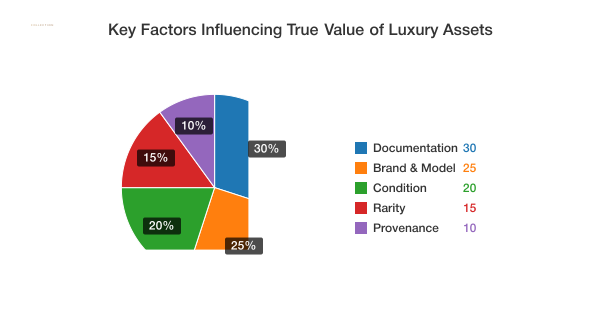
It's a crazy mess of factors, honestly. And it's never just one thing. But, you know, brand prestige? That's huge. A Patek Philippe is always gonna hit different than, well, most other brands. Or a Rolex. Because people want those names. And then there's rarity. Is it a limited edition? A weird, sought-after dial? Because scarcity? That makes people go nuts. And condition, obviously. Got dings? Scratches? A watch that looks like you played rugby with it? Yeah, that hurts the price. A lot. But the provenance too, where did it come from? Who owned it? That story, it can add serious cash. Or nothing at all.
And the papers, oh god, the papers. You'd think people wouldn't care so much, but they do. Original boxes, warranty cards – especially from the manufacturer (those often have matching serial numbers, see?). Service records? Those are gold. Because they show you actually took care of the damn thing. Or you know, for diamonds? You better have that GIA certificate. Or else. Because without it, you're guessing. You're selling a rock. And guessing, that's a dangerous game. Similarweb (2024) data consistently shows how much buyers value complete sets. It’s not just a nice-to-have. It's almost mandatory for top dollar.
See, diamonds? They play by their own rules. The "Four Cs" – cut, color, clarity, carat weight. Everyone knows it. But a vintage Rolex Daytona? Or a Patek Philippe Nautilus? Different ball game entirely. It’s about specific models. Market demand. Everyone wants those hot pieces. So, you might have a perfect diamond, but it's not the same hunt as for a specific serial number on a Patek. And this is why you need a professional appraisal. A real one. For a comprehensive portfolio analysis and valuation, services like The Stellaris Collection offer specialized expertise. Because they give you the cold, hard numbers. An objective market valuation. Not what you think it’s worth, or what the guy at the local pawn shop offered. And that number? You need it for selling. You need it for taxes.
Your item’s true value isn't a feeling; it’s a calculation, brutal and honest, based on brand, condition, rarity, and whether you kept the damn paperwork.
The Year-End Advantage: Timing Sales for Tax Optimization
So, you’ve got some high-end stuff just sitting there. Nice. But are you just holding it? Or are you working it? Because the end of the year, man, that's not just for holiday parties. It’s prime time. This isn't just about clearing out clutter. It's smart. It's financial strategy. And you better believe the pros are doing it. Because timing your sales right? That can seriously save your butt when the tax man comes calling.
November to December. That's your window. Because if you wait too long, like until Christmas Eve? You’re screwed. Transactions take time. Appraisals. Transfers. Wire payments. And you need all that wrapped up before December 31st. Or it doesn't count for this year’s taxes. And missing that deadline? That's just dumb money.
Capital gains. Everyone talks about them. But you can actually plan this out. Because if you’ve had a killer year? Made a lot of money elsewhere? Selling off an appreciated asset (like that watch you bought cheap and now it’s worth a bundle) means more income. And more taxes. But if you know it’s coming? You can strategize. You can align that sale with your total income for the year. And maybe avoid a higher tax bracket. Or, you know, just get ready for the hit. It's about knowing, not guessing.
But here’s the real kicker, the sneaky bit a lot of people miss: loss harvesting. You got some other assets, maybe some stocks (or other luxury items that didn't do so hot), that actually lost money? Or barely broke even? Sell them. Now. Because those losses? You can use them to offset your capital gains from the other stuff. The things that did go up in value. And that reduces your overall tax liability. It's a crazy trick. And it works. It's how people keep more of their own cash. And for an estate? Liquidating things now, before year-end, just makes everything cleaner. Less of a mess for the heirs. Fewer headaches for the lawyers. Because death and taxes? They’re complicated enough already.
Selling off luxury assets in the last quarter isn't just cashing out; it's a powerful financial lever for tax strategy, especially for mitigating gains or simplifying estates.
Beyond the Calendar: Leveraging Market Cycles and Seasonal Demand
Don't be a one-trick pony, just looking at year-end. The luxury market breathes and shifts, and understanding its rhythms can unlock even more value. Think about major auction house calendars – the big spring and fall sales are where the serious money often plays. These aren't random dates; they're meticulously planned events designed to draw global collectors and institutional buyers. A limited-edition watch might fetch a premium during a watch enthusiast convention, or a rare piece of art could shine brighter during a major art fair when the world's top collectors are already in town, wallets open.

Seasonal demand is also a silent force. Fine jewelry and watches often see a bump around the holidays and Valentine's Day. Conversely, certain collectibles might peak when specific anniversaries or cultural events bring them into the spotlight. This isn't just about waiting; it's about actively listening to the market's heartbeat. Data from platforms like Artnet or Chrono24 often reveal these cyclical spikes, showing clear patterns of buyer interest tied to specific months or events.
To truly maximize your return, you must master the art of market timing, aligning your sale with the precise moments when demand peaks for your specific asset.
A Seller's Checklist: Preparing Your Assets for a Premium Valuation
So, you’ve decided when to sell. Now, let’s talk about how to present your asset so it screams "premium." This isn't just a casual sale; it’s a strategic presentation designed to extract maximum value. First, documentation is king. We said it before, but it bears repeating: original boxes, warranty cards, service records, GIA certificates for diamonds—these are non-negotiable. They validate authenticity and history, slashing buyer skepticism.
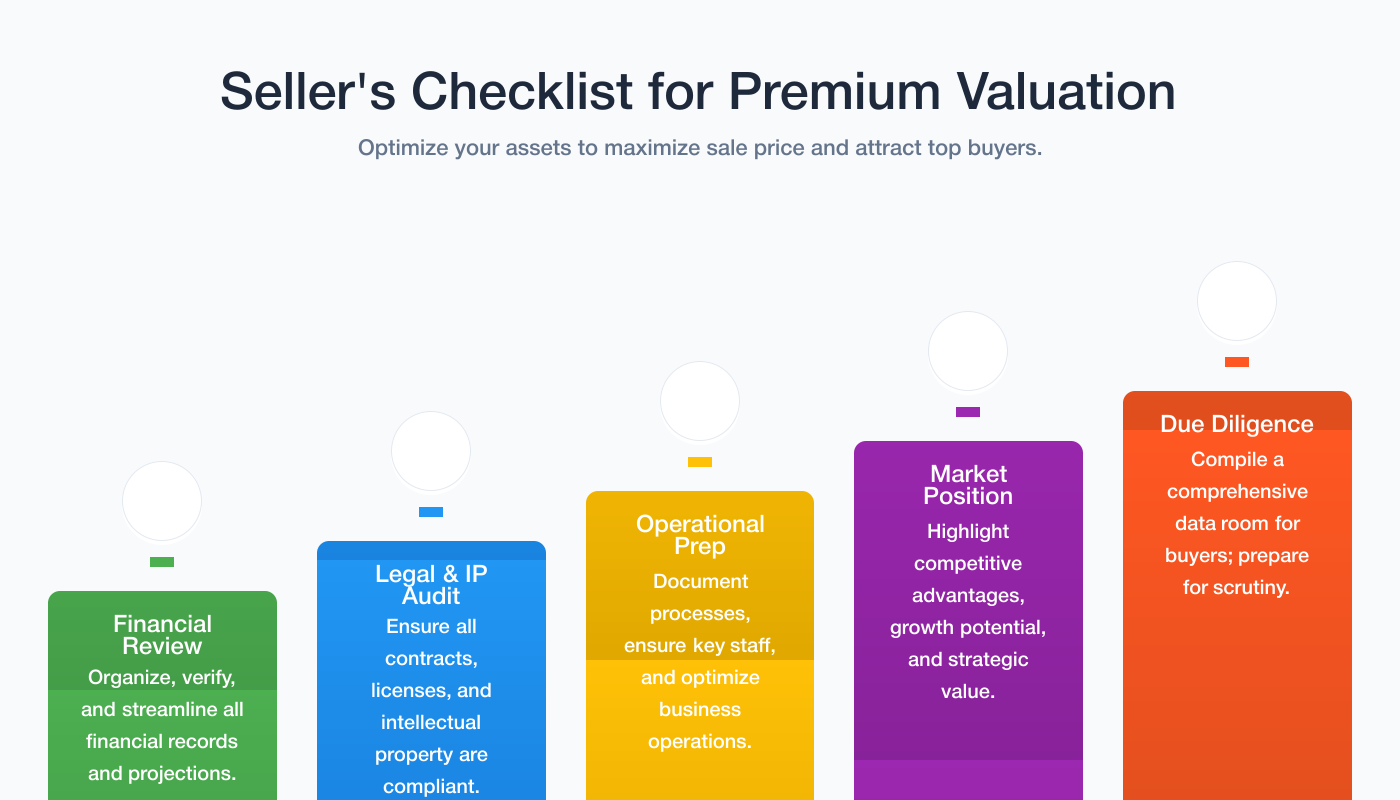
Next, condition. A professional cleaning for a watch or jewelry, or careful handling for art, can dramatically enhance its appeal. But beware: "fixing" something yourself can backfire spectacularly. If it needs restoration, seek certified experts. Then, photography. Forget blurry phone pics. Invest in professional, high-resolution images that showcase your item from every angle, highlighting its unique features and flawless condition. This isn't just aesthetics; it's trust-building. Finally, ensure clear provenance. Can you verify its history, previous owners, or where it was purchased? A compelling, verifiable story adds significant cachet.
Your item’s presentation, from pristine documentation to professional photography, is the silent salesperson that commands a premium price and instills buyer confidence.
Choosing Your Sales Channel: A Trade-Off Between Speed, Security, and Value
You've prepared your asset, you understand its value, and you know when to strike. Now, where do you actually sell it? This isn't a one-size-fits-all decision; it’s a strategic choice between speed, security, and the ultimate value you’ll realize, often informed by market analytics. Auction houses offer unparalleled reach and often attract top-tier collectors, promising high visibility and potentially record-breaking prices – but they come with hefty commissions, long consignment periods, and no guarantee of sale.

Private dealers or specialized brokers provide speed and discretion, often facilitating a quicker, more secure transaction, yet their offer might be lower than an open market price, reflecting their need for a margin. Online luxury marketplaces (think Chrono24 for watches, 1stDibs for design, or Vestiaire Collective for fashion) offer broad global exposure and greater control over pricing, but demand significant seller effort in terms of photography, descriptions, and managing buyer inquiries, not to mention platform fees and shipping logistics. Finally, a direct, private sale offers maximum speed and discretion with zero commission, but severely limits your market reach and the potential for a competitive bidding environment. Each channel has its own risk-reward profile.
The optimal sales channel isn't universally fixed; it's a calculated decision aligning your specific asset, desired speed, security needs, and valuation goals with the right marketplace.
Alright. Enough talk. You read all that, now what? Here’s the blunt truth.
This isn't about guessing anymore. It’s about making damn sure you don't leave money on the table when moving high-value assets. Because the market doesn’t care about your sentiment. It just is.
So, here’s what sticks:
Chasing the highest bidder? Amateur hour. Understand the true* value of what you hold, then time it against market peaks and seasonal surges. That’s where the leverage is. Not some gut feeling.
Tax ain't just an accountant's problem; it's your* profit margin. Year-end sales aren't a suggestion. They're a strategy. Plan it, or lose it. Simple.
- Your asset's condition, paperwork, even the photos—they dictate the premium. Don't skimp on prep. And pick your selling channel with your eyes open (speed costs, value takes patience). No free lunch there.
The market rewards those who actually think beyond emotion.
So, what now? Get your portfolio ducks in a row. Stop hoping for luck. And if you need a real read on value, not some inflated auction estimate, you know who to talk to. Or don't. Your call.
