

A Strategic Guide to Liquidating a High-Value Jewelry Collection
The Stellaris Journal
Got a box of valuable jewelry? Good. Now, forget what your insurance policy says it's worth. Or what your heart tells you. That number (the real one, for liquidation) is almost always a shocker. And not usually a pleasant one.
People lose serious money selling high-end pieces, not because they don't have value, but because they mess up the process. Big time. (Believe me, I've seen it.) This isn't just about moving pretty things. It's about navigating a murky market, avoiding amateur mistakes, and actually getting paid what your collection deserves. This guide lays out the blunt truth: your roadmap to turning heirlooms into actual, tangible wealth.
TL;DR
You got a pile of jewelry? Look, selling it isn't about emotion. Nobody cares. First thing, just list everything. Every piece. Then get real with it—what’s junk, what’s actually worth something? And for God's sake, get the right appraisal. Not that inflated insurance garbage (that's for replacing, not selling). You need a liquidation value. It's lower. A lot lower. But it’s the real number. Even Similarweb (2024) shows people often get desperate.
Then you pick where to sell. High-end stuff? Maybe an auction house. They take their cut. But it works. Quicker cash? Reputable dealers. Or consignment, if you've got time and patience (who does?). Get your papers ready. GIA reports. Original boxes. Clean the damn things. And seriously, stay away from pawn shops. Or eBay for anything valuable. You’ll get ripped off. Every time. Reddit threads are full of the horror stories. (American Gem Society even says emotional value means squat in the market.) This isn't hard, but you gotta be smart about it. Otherwise, you just lose money.
Step 1: Inventory and Emotional Triage
So, you've got a box. Maybe a whole damn closet. Full of old jewelry. First off, don't panic. But don't touch anything yet. Your brain's probably screaming, 'Oh, Grandma's ring!' And that's fine. It's normal. But that sentimental garbage? It's not money. Not yet.
Your first job, and this is crucial, is to make a list. Not some scribbled note. A proper spreadsheet. Every single piece. And yeah, it’s a pain. But you need to write down everything. What's it look like? What markings are on it? Any stones? What kind of metal? Its condition? Dents? Scratches? All of it. City National Bank (CNB) gets it; they talk about a grandmother's wedding band being a 'symbol of affection,' but that doesn't mean it’s worth a fortune.
And then photos. Lots of them. Clear ones. Different angles. Front. Back. The clasp. So when you send them off to a dealer, they don’t waste your time. Or theirs. Because they will.
Next, you gotta sort. Be brutal. Or try to be. Three piles. One for the 'Keepers'—stuff you just can't part with. (My advice? Keep very little. Sentimental value doesn't pay bills.) The second pile? That’s for 'Sell.' Everything else goes here. And then you’ll have the 'Uncertain' pile. Pieces you’re not sure about. Maybe it's weird. Or maybe you just need to think about it. Reddit users who’ve inherited thousands of pieces (from QVC, HSN, the whole mess) swear by this sorting. They know the overwhelm. You can't sell it all if you don't even know what you've got. Separate the junk from the potential cash. Your feelings are just noise right now.
Step 2: Understanding True Market Value vs. Appraised Value
Alright, you've got your piles. Your list. Now the ugly truth. What’s it really worth? And I mean, really worth. Because people screw this up all the time. They look at an old insurance appraisal and think, 'Jackpot!' But that’s a fantasy. That insurance appraisal? It’s for replacing something new. If it got stolen. Or lost. So it’s always high. Inflated. Way up there. Not what someone will pay you for it today. Not even close.
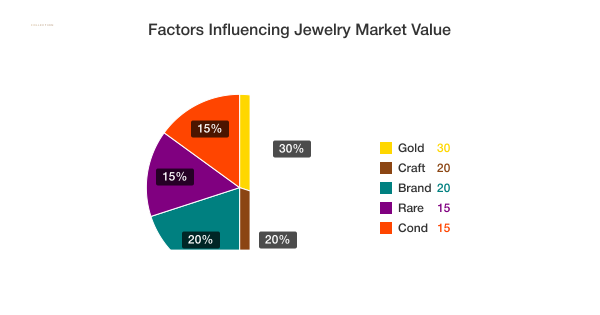
What you need is an estate appraisal. Or a liquidation appraisal. This gives you the fair market value. It’s what a buyer, someone who actually wants to buy it, will pay. And what you, the willing seller, would take. Usually, it’s a lot less than that insurance number. Get used to it. (American Gem Society explains this disconnect pretty well.)
So, what makes something valuable? Not just the shiny bits. Look, there are a few things.
- Intrinsic value. This is the basics. The actual gold. The silver. The diamonds. Melt value. What it weighs, literally. If it’s shopping channel junk, Reddit users will tell you, this is probably all it’s worth.
- Craftsmanship. How well it’s made. Is it some mass-produced garbage? Or is it something a master jeweler put together? That matters. A lot.
- Desirability. Is it a recognized brand? Tiffany? Cartier? Or some nameless piece you bought on vacation? Brands sell. Names matter. People want certain stuff.
- Rarity. Is it common as dirt? Or is it genuinely hard to find? Old. Unique. That drives prices.
- Condition. Scratched up? Broken? Missing stones? You think someone’s paying top dollar for that? No. They’re not.
- Match the channel to the asset. A serious piece of jewelry isn’t for an online auction site. Or a pawn shop. Period. Those quick-cash operations exist for a reason—your desperation. High-value pieces demand specialized buyers. Auction houses. Reputable dealers. Channels built on trust and expertise.
- Presentation isn't optional. Clean it. Find the documentation. GIA reports, original boxes, provenance—this stuff isn't fluff. It's proof. It validates value. Don't just toss it in a bag and hope for the best. You wouldn't sell a Porsche with mud on it and no service records, would you? Same principle.
And for any serious stones? You absolutely need a GIA report. It’s the only way to prove what you’ve got. Legit. City National Bank calls it a 'birth certificate' for gems. And they’re right. Without it? It’s just a pretty rock. Nobody will pay for a 'maybe diamond.' Or a 'might-be ruby.' And they shouldn't. Lang Antiques lays out these drivers. They know what they’re talking about. So do I. Your insurance appraisal is a lie. Get the real number. It's the only one that matters for selling.
Step 3: Choosing Your Sales Channel
Look, you got something valuable. Or you think you do. And that's the first mistake most people make. Thinking the item itself is the whole story. But here’s the harsh truth: An item is only worth as much as where you sell it. End of story. Because the market, that mess of buyers and sellers, is far more important than the product. So crucial.

I’ve seen it a thousand times. People got a gorgeous vintage Rolex, a real beauty (or so they claim), but they try to offload it on some generic pawn shop. Or even a jewelry store that just wants to melt it down. And then they wonder why they got screwed. Why the offer was insulting. Because they put a Maserati in a bicycle shop. Makes zero sense. Alex Cooper, he nailed it (like he usually does): the right channel? That’s everything.
And don't you dare think there's some magical one-size-fits-all solution here. No. There isn't. You've got different pieces, different goals. Sometimes you need cash yesterday. But other times, you can sit on it. Wait for the big score. The trick is knowing which is which. Because rushing it? That’s how you lose serious money. Always.
Don't Put All Your Eggs in One Shady Basket
Got a bunch of stuff? A whole collection? Smart. But listen: Diversify your selling channels to avoid desperation and secure the best possible offers for your high-value items. Never rely on a single marketplace, especially for a big haul. That's just asking for trouble. Or a lowball offer because they know you're desperate. You need options. Because this isn't some quick flip at a garage sale. We're talking high-value here. Your grandma's sapphire ring isn't just a ring. It's an asset. Treat it like one. A diversified approach, often managed by a professional service like The Stellaris Collection, ensures you're not forced into a bad deal.
Auction Houses: The Big Guns (Maybe)
Yeah, auction houses. They sound fancy. Like the real deal. And sometimes they are. For those truly unique, museum-quality pieces. The rare stuff. Because these places? They bring in the serious buyers. The collectors with deep pockets. The ones who know exactly what they’re looking for. But here’s the catch. They take their sweet time. Months, sometimes. And their commissions? Brutal. We're talking 10-25%, often more, right off the top. So, a $50k piece? You might see $35k after all the fees. Plus, there’s no guarantee it’ll sell for what you think it’s worth. Or at all. It's a gamble. A big, slow gamble. For truly unique, museum-quality pieces, auction houses can deliver serious buyers, but be ready for high commissions and long waits.
And if it's not a truly exceptional piece? They might not even take it. You send it in, they look at it, and boom—it's not "auction worthy." Or they'll stick it in a general sale, buried amongst a hundred other things. You wanted the spotlight. You got the back alley. A good example, Lang Antiques, they focus specifically on antique and vintage. They know their niche. And that means you need to know if your piece fits their niche.
Online Marketplaces: The Wild West
So, you think "Ebay!" or "Poshmark!" or whatever the kids are using today. And sure, for lower-value stuff, maybe. But for a diamond necklace that could buy you a new car? You're playing with fire. It's the wild west out there. Lots of tire-kickers. Lots of scams. And shipping something that valuable? A total headache. Insurance costs a fortune. While offering global reach, specialized online platforms demand careful vetting to avoid scams and protect your valuable assets.
But some online platforms, the specialized ones, they're different. They curate. Authenticate. And they can give you incredible reach. Like, worldwide reach. Which is huge. Because the right buyer might not be in your city. Or even your country. But again, vetting these places is crucial. So many pop-up operations. And you don’t want to send your heirloom to some fly-by-night outfit (trust me). The upside? Often faster than an auction. The downside? Still fees. Still some risk. Still a mess if you pick wrong.
Local Jewelers & Consignment: Quick, But Cheap
You walk into your local jeweler. "Hey, I wanna sell this." And they'll look at it. Probably give you some story about how the market's down. Or it's "not really their style." And then offer you peanuts. Absolute peanuts. They need to make a profit. And a big one. They're usually thinking about melting it down or flipping it for double. So, quick cash? Yeah, maybe. But you're gonna leave a ton of money on the table. A metric ton. Every time. Selling directly to local jewelers offers quick cash but typically results in significantly lower returns, while consignment requires patience and trust.
Consignment? Better than a direct sale to a local shop. Because they're selling it for you, taking a cut later. Less upfront pressure on them. But it can sit there forever. Months. Years, even. And you're trusting them with your valuable item. Make sure they're reputable. Because if they disappear, so does your jewelry. Crazy to think people do this blind.
Here's the Thing: Choose Wisely. Seriously.
So, you gotta ask yourself: What's more important? Fast money? Or maximum value? Because you almost never get both. You just don't. And that's what a lot of these sales channels boil down to. A trade-off.
Matching the right piece to the right sales channel is the most important strategic decision you will make in the liquidation process. No exaggeration. It's the difference between getting what you deserve and getting hosed. And nobody wants to be hosed. Not with this kind of money on the line.
Step 4: Preparing Your Jewelry for Maximum Appeal
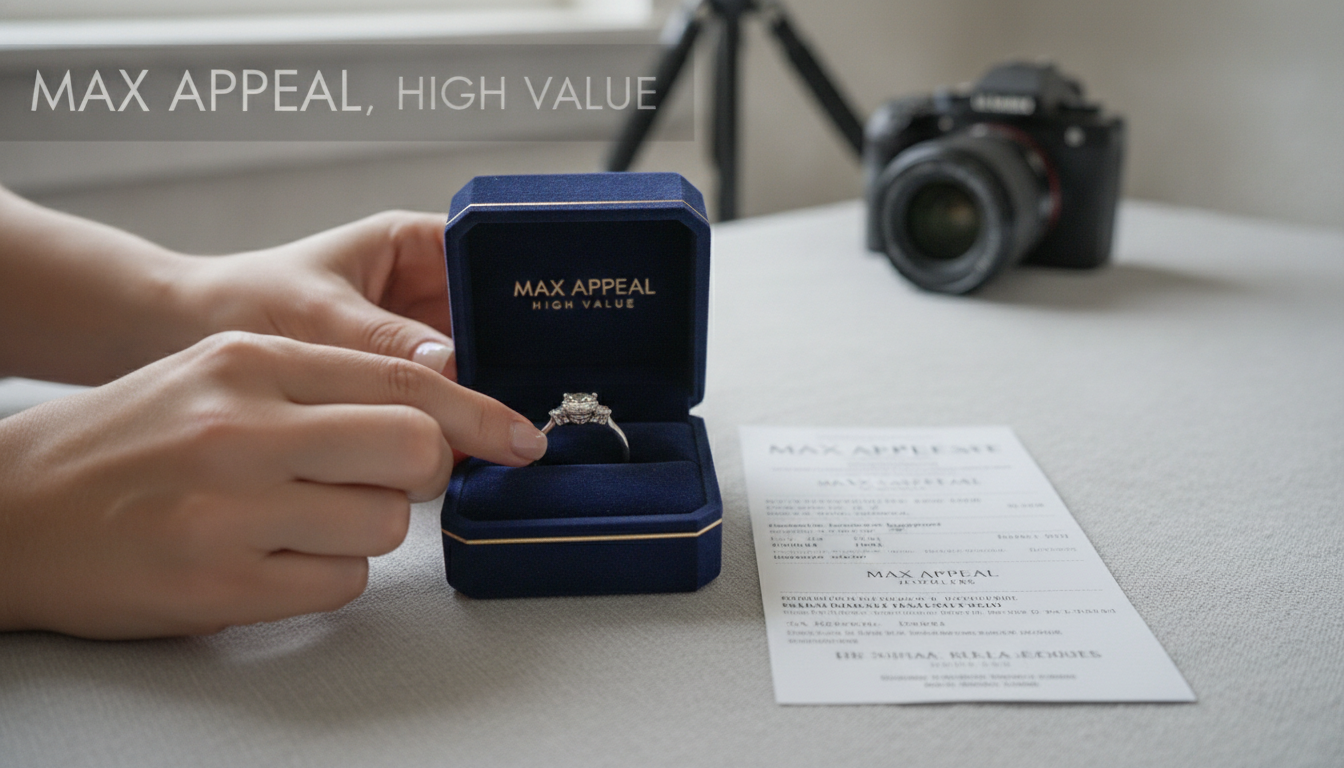
You’ve got the channel picked out. Good. Now, don’t screw up the presentation. Because first impressions matter. Seriously. People are lazy. They want to see something ready to go. Something that shouts "high-value," not "found-in-a-drawer." So, if you're not putting in the effort here, you’re just throwing money away. Lazy sellers get ripped off. Simple as that.
First things first: Clean it. Professionally. Yeah, I know. Another expense. But a dirty, grimy piece? Instantly cheapens it. Makes it look neglected. Tarnished silver? Dull gold? Fingerprints all over the diamonds? Nobody wants that. A good clean brings out the sparkle, the life. Makes it look like it just came out of the boutique. City National Bank, they’ll tell you this stuff. It’s basic common sense. But people skip it. Crazy.
And packaging. Original packaging. Don't laugh. This is huge. A little blue Tiffany box? A Cartier red case? That's not just a box, my friend. That's part of the story. Part of the prestige. It shouts provenance. Authenticity. It adds value. Real value. Even if it's just an old leather case from a reputable antique jeweler. Keep it. Because people want the whole package. It boosts desirability. So, dig through those drawers. Find that stuff.
But wait, there's more. Documentation. Gather everything. Everything you got. Original receipts. Appraisals. Diamond grading reports from GIA or AGS. These are your bulletproof vest. Your proof. They back up your claims. Because if you say "it’s a D color, flawless diamond," but you don’t have the paper to prove it? You’re just talking. And buyers, the smart ones, they don't buy talk. They buy facts. Lang Antiques? They want clear photos, front and back, for initial review. But those docs? That’s what seals the deal. That makes them trust you.
So, if you’re selling online yourself, taking the pictures is on you. And don’t you dare use your blurry phone camera in a dark room. No. High-quality, clear photos. Period. Against a neutral background. Use natural light if you can. Makes it pop. And for God's sake, focus. Show the details. The hallmarks. The clasp. Every angle. Because a bad photo makes a great piece look like junk. And then nobody wants it.
And a little story? Maybe. If it’s good. CNB says a great story can make it more enticing. But don't make stuff up. Just the facts. The history. The real stuff. Because meticulous preparation and presentation can directly translate into higher final sale prices. It's not magic. It's just smart business.
Frequently Asked Questions (FAQ)
Content for Frequently Asked Questions (FAQ)
Alright, look. Offloading a high-value jewelry collection? It's not about nostalgia. It’s about converting assets. And most people? They get it wrong. They let emotions or plain ignorance drain value faster than a leaky faucet.
Here’s the blunt truth:
Kill your darlings, then get real. That heirloom? Priceless, maybe. But its market value is a different beast entirely. Separate the sentimental from the sellable. And for God’s sake, get a liquidation appraisal. Not some insurance fantasy number. You need to know what someone will actually pay*.
This isn't just old trinkets. It's capital. Your legacy, if you play it smart. Or a wasted opportunity, if you don't. Don’t mistake sentiment for market reality, or convenience for maximum return.
So, what’s next? Figure out precisely what you're sitting on. And then, find someone who lives this market. Someone who understands high-value assets, authentication, and actual returns. Not a salesperson. A true expert, like the operators at The Stellaris Collection.
