

Beyond the Price Tag: How Supply Chain Volatility is Reshaping Luxury Pricing
The Stellaris Journal
Luxury. The word itself conjures images of untouchable exclusivity, premium prices set by whim and heritage, right?
Wrong. Dead wrong.
For years, folks assumed high-end brands lived on a different planet. Immune to the messy realities of raw materials, shipping delays, labor strikes. A nice fantasy. And completely busted.
Remember 2021? The chip crunch? Crippled car factories, sure. But that same underlying crap
So, this isn't just about a fancy label anymore. It
You can
TL;DR
Remember when luxury was bulletproof? A myth. Blew up.
This whole global mess? It tore a hole right through the high-end stuff. Supply chains aren't just for widgets anymore, pal. These fancy brands, they thought they were special. Immune. Ha. Now they
It boils down to this: Data. And still, that old-school brand magic. You need both now. Or you're toast.
The Illusion of Invincibility: Luxury's New Supply Chain Reality
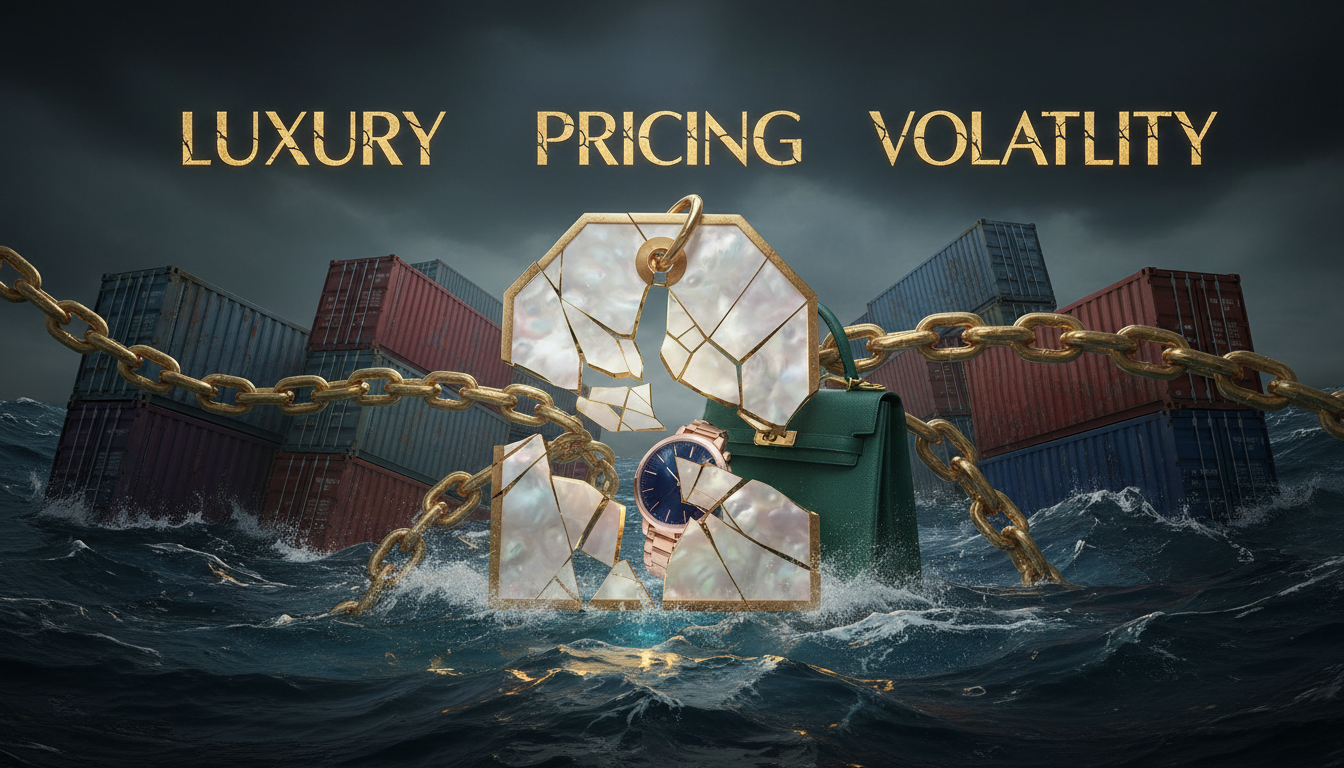
You think those fancy brands are unbreakable? Gold-plated? Immune? Wrong. Real wrong.
Look, for decades, these luxury folks built their whole house on "craftsmanship" and "heritage." All that bespoke, "made in France" nonsense (it's still good quality, don't get me wrong). They didn't give a damn about quick fixes or cheap shipping. And why would they? Prices were insane. Margins were bigger than my ego. So, they focused on perfect. On a story. (Polimi.it, 2024, if you care about studies, says they chased performance over cutting costs.) Because that's what their customers bought. Not efficiency. Not speed. But the world? It changed. Overnight. Everything just broke.
Remember the pandemic? What a mess. Then the geopolitical stuff, crazy, right? And suddenly, materials just vanished. Poof. So, their whole "old ways" setup? Fragile. Pathetic, almost. It just snapped. We saw it everywhere. Not just some cheap plastic toys. No. Even high-end cars got hit. Ford, GM
Because when you rely on such specific, often tiny, suppliers
Luxury
The Core Conflict: Brand Exclusivity vs. Operational Volatility
Alright, here's the thing. Luxury. Everyone wants a piece. But you wanna know the real dirty secret? The stuff that makes it luxury? That's the same stuff that'll gut you when the market turns. Or when a volcano erupts. Or, you know, a global mess hits. It's a crazy paradox. A dangerous game, really.

You build this whole identity around "Made in Italy." So iconic. So exclusive. People pay big money for that cachet. But guess what? That means all your eggs are in one very specific, very beautiful basket. One region. One set of suppliers. And when something hits northern Italy (it always does, eventually), your entire line? It just stops. Cold. We
Then there
And the craftsmen. Man, the stories they tell. These small, specialized shops. Decades of skill. They make the pieces truly unique. Unparalleled quality, they say. And they're right. That's the problem. Because when you need to scale up (or even just maintain production), these tiny, specialized networks? They become bottlenecks. Fast. You can
So, you get the goods made. Now you gotta sell 'em. Your own boutiques. Mono-brand experiences. Critical for the image. For keeping that customer journey tight. (Because the experience is almost as important as the product, right?). But this means you need a distribution network that's perfect. Flawless. Responsive. Because if your flagship store in Paris runs out of that hot new bag? Or a shipment gets stuck, sitting in some port? That's not just a logistical hiccup. That's a brand image hit. A trust issue. A direct assault on exclusivity. And those are hard to fix. You lose control, even for a second, and it bites you. Hard.
The very factors that create a luxury brand's unique selling proposition are the same factors that generate its greatest supply chain risks. That
Strategic Responses: Recalibrating Price and Operations
You think the old way works? Ha. Chasing the lowest cost. Sticking your head in the sand. That's what got us into this mess. But smart brands? They're finally waking up. They're not just trying to fix things after they break. They
No more reactive garbage. You can
Look, forget simple cost-cutting. That
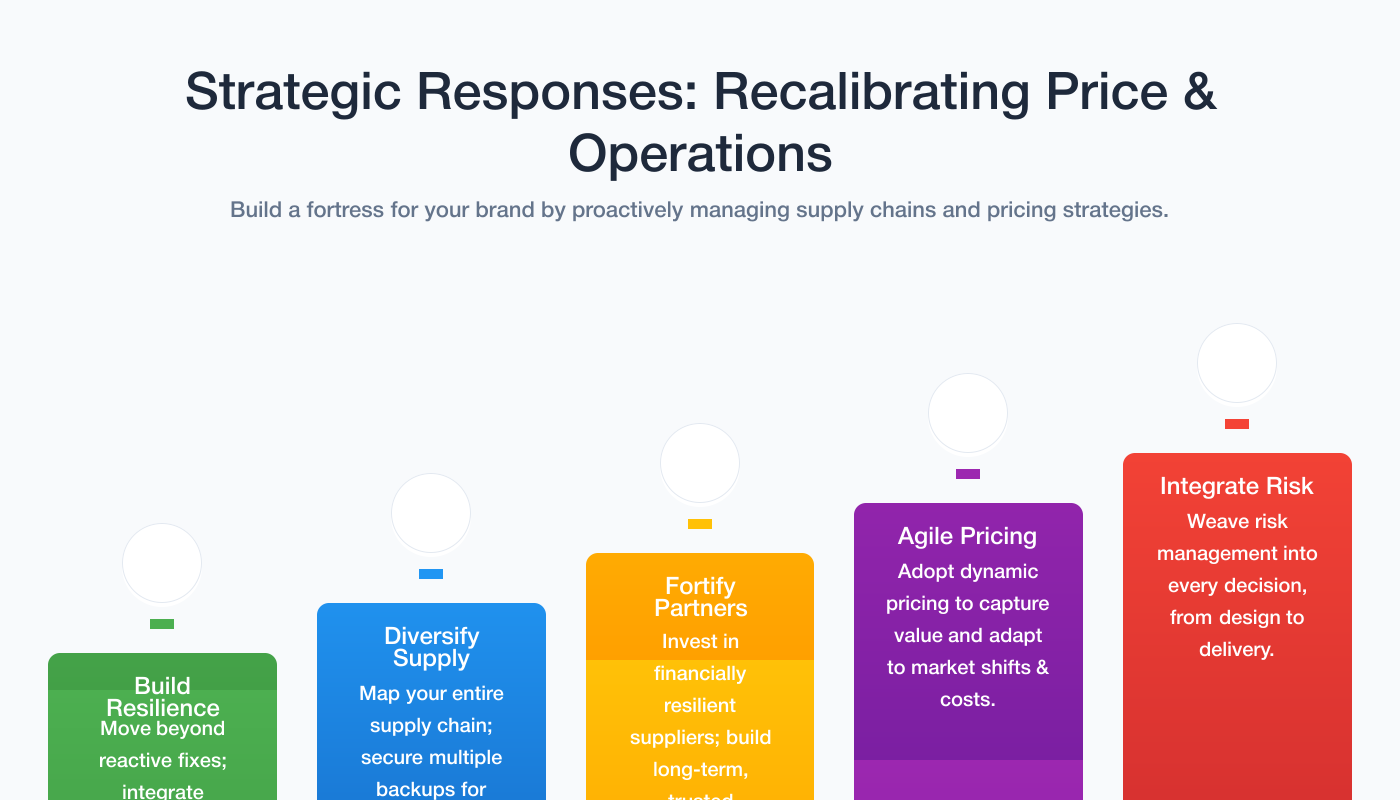
So, what are these guys doing? First off, diversification. You know, not putting all your eggs in one basket. Toyota figured this out the hard way after the 2011 earthquake. Remember that mess? They started mapping their entire supply chain. Every single tiny supplier. And they made damn sure they had backups. Not just one, but several. (Even Similarweb (2024) shows companies scrambling to do the same now. They should've learned years ago.) And Apple? They're masters at it. Spreading out production. Not just one country. But many. Because a disruption in Vietnam? It shouldn't kill your entire iPhone line. And it doesn't. You need to do the same. This isn't optional anymore. You need a map. A real one. Not just vague ideas. A damn blueprint for survival.
But it's not just about more suppliers. It's about better ones. Knowing their financial resilience. Can they weather a storm? Can they adapt? Because a cheap supplier who goes bust in a crisis is far more expensive than a slightly pricier one who stays standing. It's about partnerships. Real ones. Not just beating them down on price until they break. So, you build those relationships. You invest in them. Because they are part of your life raft. A crucial part. It's a long game.
And here's the kicker: pricing. This is where most luxury brands are still living in the stone age. "Oh, we have fixed prices. That's our brand." Bullshit. You
This isn
You've got to integrate risk management into every single decision. From design to delivery. It
Frequently Asked Questions (FAQs)
Content for Frequently Asked Questions (FAQs)
Alright. Let
So, brands. You're not just selling a dream anymore. You're selling a promise tied directly to whether you can actually make the thing, authenticate the thing, and get it where it needs to go. Without blowing your budget (or your customers' already-thin patience). That's the game now. It
A few hard truths to chew on:
- The notion of 'luxury immunity' from supply snags? Finished. Expect friction. Everywhere.
- You're balancing old-school, often concentrated craftsmanship with the modern, distributed demand for supply resilience. And that tightrope only gets narrower.
- Pricing luxury? It
The market has fundamentally reset. It demands agility. It demands transparency. And frankly, a bit more backbone than some of these boardroom types are used to demonstrating. Prestige without operational integrity is just expensive fluff, ripe for a fall.
Next move? Get intimately familiar with your supply chain
Stop reacting. Start building a fortress around your brand. Today.
