

The Definitive Due Diligence Checklist for High-Value Asset Acquisition
The Stellaris Journal
Forget the fluff about "strategic fit." Harvard Business Review isn't wrong: deals that prioritize the nuts and bolts of proper due diligence see a 30% higher success rate. This isn't an abstract concept; it is capital preserved, risk mitigated, and disaster avoided.
Most people treat due diligence like a bureaucratic chore, but they are missing the point. It is not a burden; it is the friggin' blueprint that protects your capital.
Your capital is on the line, and your future investment depends on this process. This isn't just another guide; this is the definitive roadmap to ensure you know exactly what you’re buying. We are ripping apart the legal mess, digging into the real numbers, and kicking the tires on the actual property or business. This process is the definitive roadmap to ensuring you understand exactly what you are purchasing, from the legal fine print to the structural reality.
The Core Pillars of Comprehensive Due Diligence
So, you think you’ve found the next big thing. A high-value asset, and you’re ready to jump in. But hold on—due diligence isn't a quick check-the-box exercise. It is a multi-faceted investigation, and if you don't do it right, you will get burned.
You have three main areas to hit: Legal, Financial, and Physical. Each one is a different beast carrying its own set of risks. You ignore one, and the whole deal can fall apart or, worse, become your liability.
A structured checklist is your only defense, especially when there is pressure to close. It forces you to look past the pretty picture the seller paints and confront the reality underneath. You hit every corner, and you do it fast, because that is how you make a smart decision rather than a hopeful one. Because hoping is for rookies, and rookies lose money.
Pillar 1: Legal Diligence
– Verifying Ownership, Structure, and Compliance
The legal side is the absolute bedrock of any deal. If the legal framework is shaky—if the seller doesn't actually own what they are selling—you have bought a monumental problem.
You need to verify ownership with absolute certainty. Do not just trust documents waved in your face; go to the Land Department and pull official records. I have seen countless deals collapse because people trusted a seller or a questionable lawyer. Every time, you must verify the title deeds—like a "Chanote" in Thailand—to check for hidden liens, mortgages, or encumbrances. These don't disappear; they become your problem.
Ownership structure is equally critical, especially for foreign investors. Whether it is a freehold condo quota, a leasehold agreement, or a Thai Limited Company, you need to know exactly what you are stepping into. Furthermore, don't assume a structure is legal just because it is standing. Many beautiful villas are built without valid permits or deviate from the approved plans, leading to fines or demolition orders. Always confirm building permits and environmental approvals like the EIA.
Get a reputable, independent solicitor who works for you. Without an expert physically verifying every permit and title, you are building on quicksand. And quicksand eventually swallows everything, including your money.
Pillar 1: Legal Diligence
– Verifying Ownership, Structure, and Compliance
The legal side is the absolute bedrock of any deal. If the legal framework is shaky—if the seller doesn't actually own what they are selling—you have bought a monumental problem.
You need to verify ownership with absolute certainty. Do not just trust documents waved in your face; go to the Land Department and pull official records. I have seen countless deals collapse because people trusted a seller or a questionable lawyer. Every time, you must verify the title deeds—like a "Chanote" in Thailand—to check for hidden liens, mortgages, or encumbrances. These don't disappear; they become your problem.
Ownership structure is equally critical, especially for foreign investors. Whether it is a freehold condo quota, a leasehold agreement, or a Thai Limited Company, you need to know exactly what you are stepping into. Furthermore, don't assume a structure is legal just because it is standing. Many beautiful villas are built without valid permits or deviate from the approved plans, leading to fines or demolition orders. Always confirm building permits and environmental approvals like the EIA.
Get a reputable, independent solicitor who works for you. Without an expert physically verifying every permit and title, you are building on quicksand. And quicksand eventually swallows everything, including your money.
Pillar 2: Financial Diligence – Uncovering the True Fiscal Health
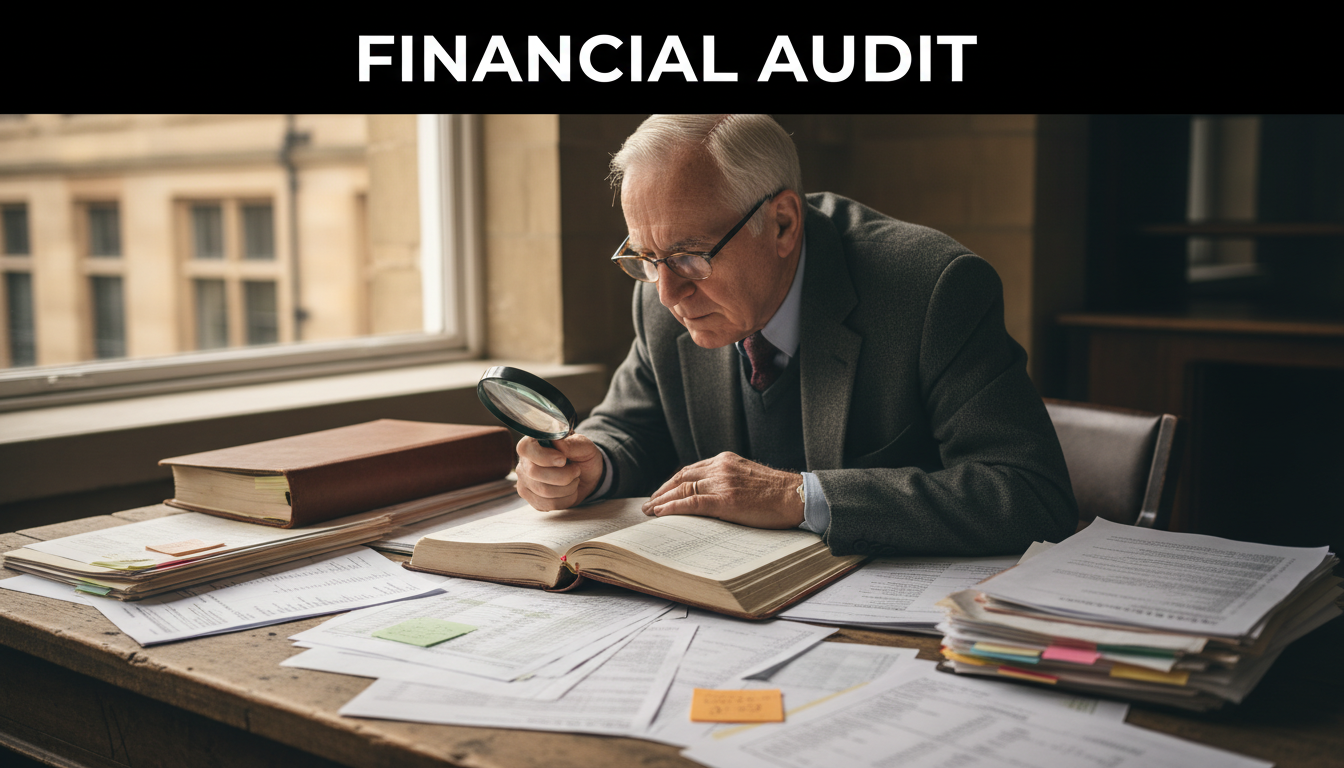
You might love a property's vibe, but if the numbers are dirty, you are buying a financial sinkhole. A proper financial audit is the only way to protect yourself from hidden debts and the seller's past mistakes.
Here is what you must audit:
- Taxes: Property and land taxes must be settled in full. If there is an outstanding bill, it lands squarely on your lap. Do not trust their word; trust the receipts and tax statements.
- Utility bills and common area fees: These pile up quickly. Call the utility companies yourself and review the latest statements.
- Management company: Verify the solvency of the "juristic person." If the people responsible for maintenance are broke, your property value will inevitably suffer.
- The seller: Dig into the seller or developer's track record. Check court records and online history for lawsuits or shady dealings. A clean legal slate is essential.
- Transaction history: Frequent sales are a massive red flag. Investigate why a property has changed hands multiple times; nobody sells a clean asset that often unless there is an ugly problem.
- Building survey: Commission a professional survey immediately. Structural defects, water damage, or old infrastructure are incredibly expensive and will eat your profits alive.
- Walk the property: Do not rely on aerial photos. Confirm boundaries physically to ensure they match the title deed and survey documents. A tiny discrepancy here is a legal fight waiting to happen.
- Road access: Verify easements and rights of way. If you cannot access the property legally and easily, it is effectively worthless.
- Utilities: Do not assume water and electricity are reliable. Ask around and check history to ensure basic infrastructure is consistent.
- Market viability: Ignore what brokers say; do your own research on rental yields, competition, and long-term market trends. Look for unique selling points like views or amenities. You need to know its real place in the market. You need to know its real place in the market. Not just its paperwork.
A detailed audit of any holding company's financial records is essential; it stops you from buying hidden corporate debts.
Pillar 3: Physical & Market Diligence – Assessing On-the-Ground Reality
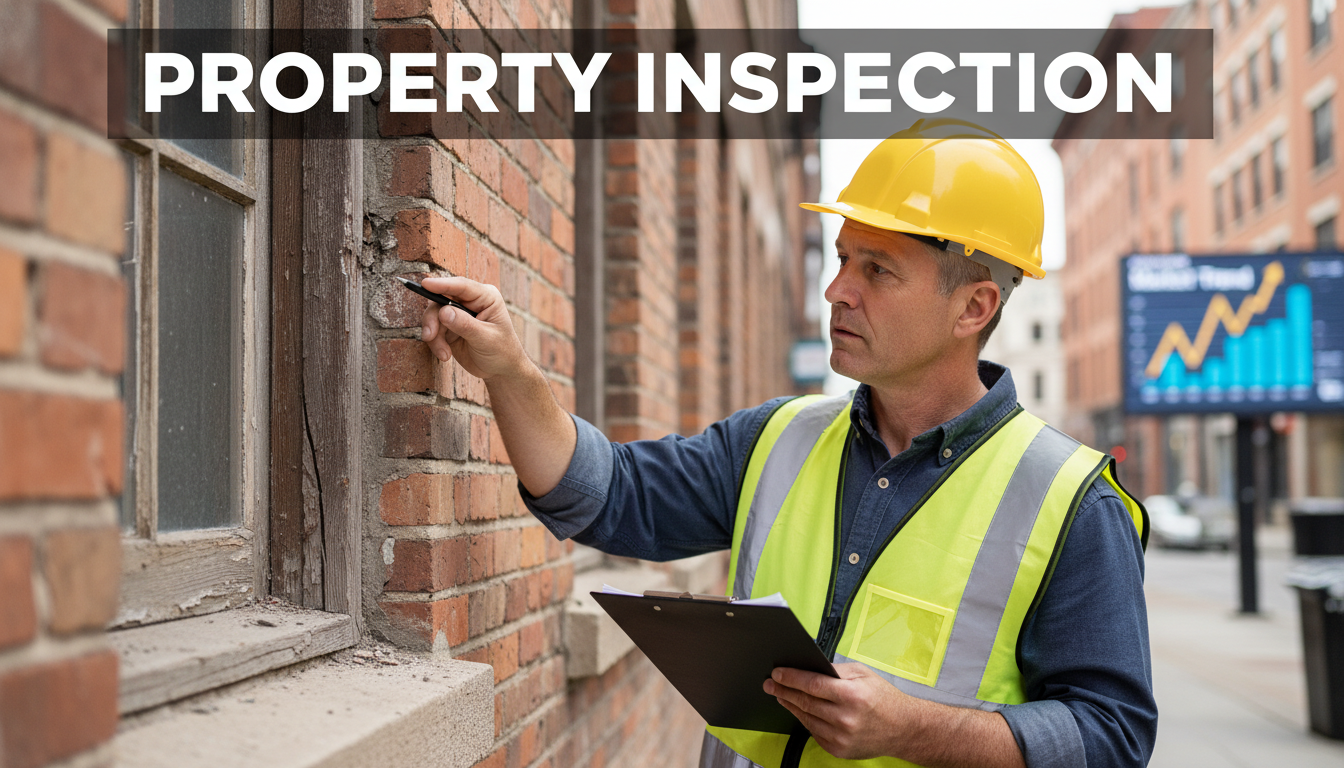
Spreadsheets and legal documents are only half the story. You have to get on the ground, kick the tires, and verify the reality of the asset.
You can't do diligence from a desk; you must get out there, physically assess the property, and verify the reality on the ground.
Frequently Asked Questions (FAQs)
Content for Frequently Asked Questions (FAQs)
You have absorbed the core strategy, which is not an academic exercise but a blueprint for protecting your capital. Due diligence is not a suggestion; it is the bedrock between you and a financial disaster.
Lawyers are non-negotiable—find the ones who are not afraid to turn over every rock, because the fine print is where the nightmares live. When it comes to financials, do not glance; tear them apart to understand where every penny is truly going. Finally, never rely solely on reports. Go see the asset, touch it, and speak with the people on-site. The ground truth usually blows the executive summary clean out of the water.
It is exhausting work, but it is a hell of a lot less costly than buying blind. If navigating this labyrinth seems daunting, find a partner like The Stellaris Collection who operates in these waters to help you cut through the noise and ensure you are buying certainty, not just a promise.
