

A Practical Guide to Determining the Market Value of Pre-Owned Luxury Watches
The Stellaris Journal
Look, the numbers are already out there. The pre-owned luxury watch market? It's going to be a $60 billion mess by 2035. That
’s not "projected growth," that
’s a mountain of money changing hands. And if you
’re playing in it—collecting, investing, even just buying your first decent piece—you need to know what your metal is actually worth.
Most folks think it's all about the brand. Rolex, Patek, whatever. Sure, those names matter. But that
’s barely scratching the surface. Real value isn
’t some mystical art; it
’s a ruthless calculation based on verifiable data.
This isn't another fluffy article. It
’s a practical guide. We're cutting through the noise, giving you the framework to figure out fair value. Spot what
’s hot. What
’s not. What might make you money, and what
’ll just sit in a drawer. So, how do you do it? Let's get to work.
TL;DR
Look, you're busy. I get it. Here's the raw truth, boiled down. This whole watch thing? Not rocket science, but people make it sound like it is. So, what actually matters when you're staring at a piece of metal on your wrist, wondering if it's worth a damn?
First, the bones: its reference number and brand. That's the baseline. Because a Patek Philippe is always going to start higher than... well, you know. And rarity? That's just free money. So, model, brand, scarcity—that
’s your first step.
Next up, condition. This is huge, and it
’s where most people fail. An unpolished case, minimal nicks—that
’s what fetches top dollar. Polished metal? It's like grinding down a collector's item. Just don't.
And then, the "full set": original box, papers, the whole damn kit. It
’s not just packaging; it proves the story. Gray & Sons (2024) says it can jump a watch
’s value by 15-30%, and they're not wrong.
Finally, the market: trends, pop culture. Yeah, it
’s stupid, but it moves watches. If everyone wants it, price goes up, no matter how crazy, because people are crazy.
Authenticity is non-negotiable; verify everything with a legit expert, or you will lose your shirt. The pre-owned market is projected to reach $59.9 billion by 2035 (Business Research Insights, 2024), and that
’s a lot of fakes if you're not careful.
The Anatomy of Value: Model, Reference, and Rarity
You're looking at a watch. Great. But what is it? Seriously, that
’s the first question. The model, the reference number—that's the DNA, and it
’s everything. You have to get specific. A vintage Submariner 5513? Entirely different beast from a modern one. And the prices? Wildly different. Because a small tweak in a reference number can mean a fortune. Gray & Sons (2024) will tell you that; they observe it daily.
And the brand? Yeah, it matters, a lot. Rolex, Patek Philippe, Audemars Piguet—those names aren
’t just logos, they
’re a promise of value retention, built-in. Bob's Watches (2024) has been screaming about brand prestige forever, and they're right. You start with one of those, you
’ve got a high floor. Pick some niche, obscure brand, and you better know what you
’re doing, because a lot of those just sink. Fast.
Rarity. That
’s the secret sauce, or not so secret, really. Limited runs, discontinued models—they create instant premiums. Why? Scarcity, pure economics. We've seen models with multi-year waitlists at retail, so people pay whatever on the secondary market just to get their hands on them. Sometimes it
’s a weird dial, like those "meters-first" Submariners—a small detail, but collectors go nuts for it. Or maybe it
’s the materials: stainless steel, gold, platinum. And the guts of the thing—the movement, the calibre—that
’s fundamental; it's the engine, and a complicated, hand-finished engine is always worth more.
But remember, just because something is rare doesn
’t mean it's desirable. No, really. It has to be collectible rarity. Some watches are rare for a reason: nobody wanted them, then they stopped making them. So, yeah, rare, but still worthless. You see the distinction? Because if you don
’t, you'll lose money. It all starts with the right blueprint: the model, the brand, and real, desirable scarcity; anything else is just guesswork.
Condition is King: How to Grade a Watch Like an Expert
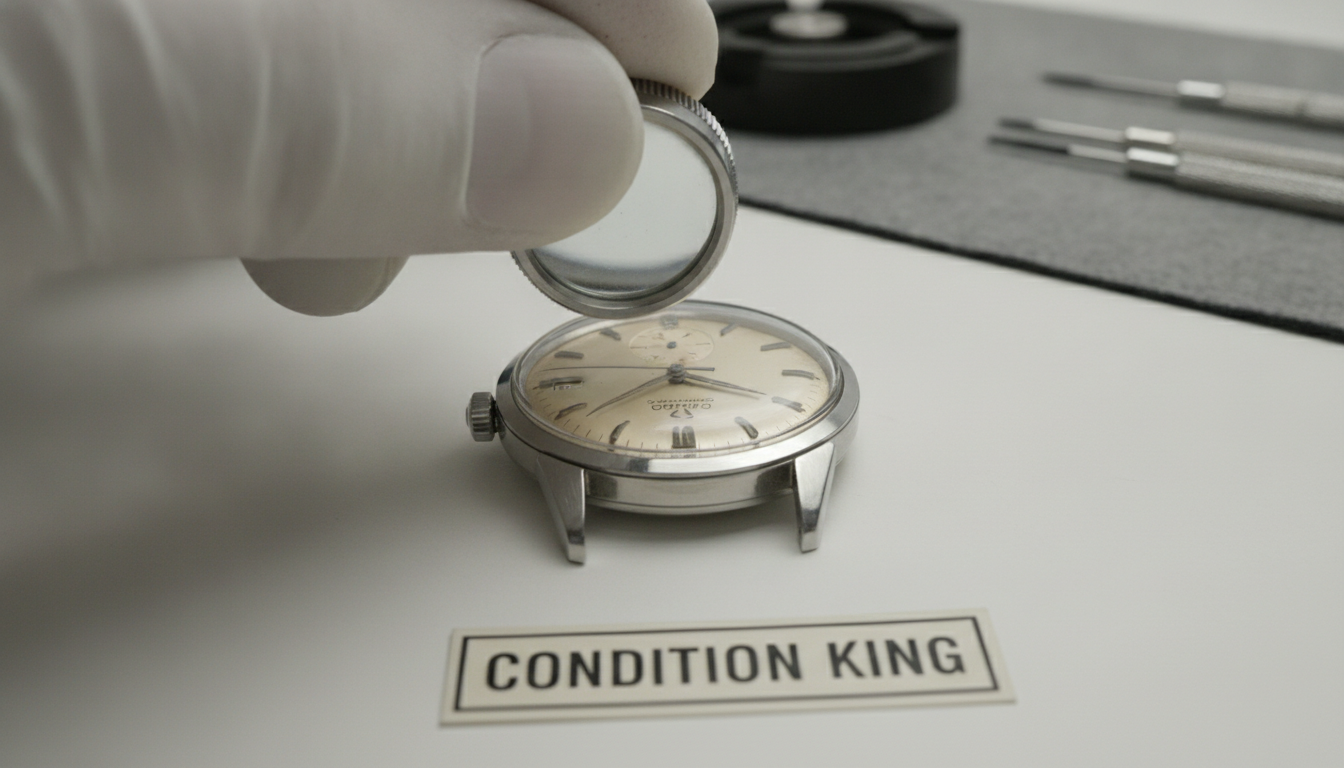
Alright, you found a good model. Right reference. Decent brand. Now what? Now you look at it. Really look. Because condition? It's king. Forget everything else for a second. This is where you separate the good deals from the absolute nightmares. A watch's physical state changes everything—and I mean everything. You can have two identical reference numbers, but one looks like it went through a blender, and the other looks like it just left the factory. Huge price difference, like serious money.
First, the case. This is crucial. Unpolished. You want it unpolished. Why? Because polishing takes metal off. It softens the lines, changes the original shape. It
’s like sanding down a classic car; yeah, it looks shiny, but you just ruined its character. Collectors hate it, truly. And if it's been polished, say goodbye to a chunk of its value. Big Watch Buyers (2024) always brings this up, for good reason. So, inspect the lugs, the bezel: are the edges sharp, or are they soft and rounded? That
’s your first clue.
The bracelet. You gotta check for "stretch"—not actual stretch, but the looseness, that sag between the links. Because if it
’s flapping around like a sad flag, it means it
’s been worn to hell and back. And those aren
’t cheap to replace or fix. Good luck with that. Gray & Sons (2024) has a whole checklist, and the bracelet is always on it, so should yours be.
Then, the dial and hands. This is where things get really delicate. It needs to be clean, original. Any damage? Any weird discoloration? Red flag, a big one. Re-luming? That's when someone tampers with the luminous material, instantly killing value for serious collectors. It
’s like painting over a famous canvas—just don
’t do it. And moisture? Look for fogging, any kind of spotting. That means water got in, and you know what water does to delicate mechanics: rust and ruin.
The crystal. Should be clear. No deep scratches, no chips. Small stuff is fine, sometimes. But anything major? You
’ll be replacing it. And the bezel? Crisp clicks. Even fading if it's supposed to have patina. But if it's all dinged up and faded unevenly? That
’s a problem. Even on Reddit's r/WatchExchange, sellers are transparent about light scratches or polishing, because they know it matters.
So, you look for originality. Minimal wear. And every scratch tells a story, sure. But some stories just cost too much. An original, unpolished watch, with minimal signs of honest wear, is the ultimate prize; anything less, and you're paying less. Simple.
The Provenance Premium: Why Box and Papers Matter
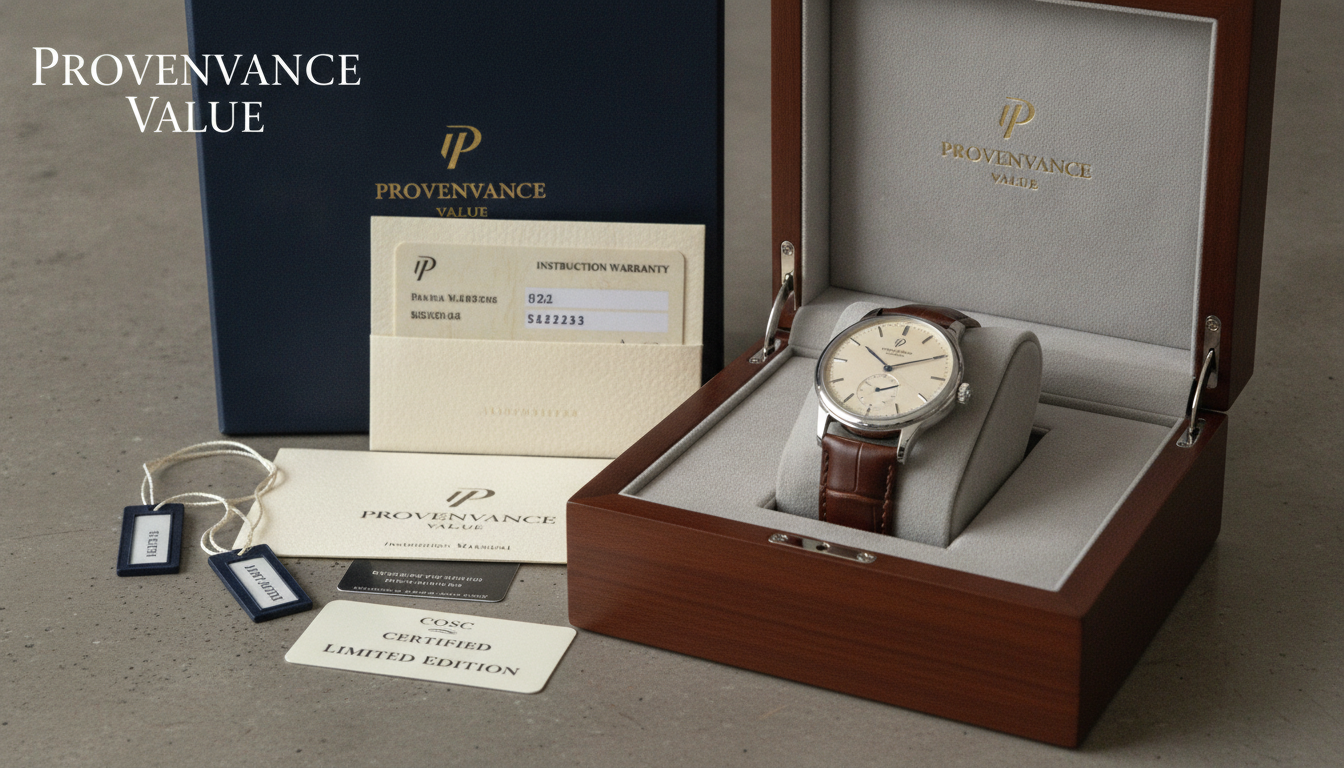
You got a watch, right? But what kind of watch? Just a piece of metal on your wrist, or a story? Because that's what we're really talking about here, not just some hunk of steel. You want to sell it someday, maybe, or pass it down. And that's where the "full set" thing kicks in, hard.
And I mean, a full set. It's not just the watch; we're talking the whole shebang. The original inner box. The outer box that probably got trashed in some dusty attic. The warranty card, stamped. Or maybe it
’s papers, old school. The instruction manuals you never read (who does?). Even those little hang tags. That's the proof. Your best shot at proving the thing's legit, its actual birth certificate. So, people trust you, because nobody trusts anyone anymore, especially not online.
Look, this isn't just some collector's obsession (though yes, some enthusiasts are quite dedicated). It's cold, hard cash. Bob's Watches, they've crunched the numbers, and they'll tell you straight: a complete set? It adds 15% to 30% to the value. Just for the bits of paper and cardboard. Gray & Sons? They'll give you a slightly tighter range, 15-25%. But still, that's real money—money you're just leaving on the table if you toss that stuff. Like throwing away a chunk of your house, it
’s insane. And you see it everywhere: Reddit posts for a Rolex Daytona 116520, you scroll down, and what's highlighted? "Original rolex inner box, outer box, green hang tag, warranty card." Yeah, those details matter.
And then there's the service history—another layer. Because a watch is a machine, right? So, if you've got records from the manufacturer, or some certified watchmaker, showing it's been cared for? That
’s gold. It proves you weren't just beating the hell out of it; it shows proper maintenance. Because buyers, they
’re not just buying a watch; they
’re buying peace of mind. They want to know the damn thing actually runs right. So, keep the receipts. All of them.
Without its complete provenance—box, papers, and service history—your watch loses significant verifiable value, making it just another piece of metal.
Navigating the Market: How to Price Your Watch for Sale
Alright, so you
’ve got a watch, and you want to sell it—not just give it away, right? You want to get what it's actually worth. But the market's a mess, a total wild west sometimes. So, where do you even start? You can't just pull a number out of thin air, because then you'll fail.
Here's the thing: you have to do your homework. Dig around. Look for "comps"—that means comparable sales. Identical watch, same reference number, similar condition. Because if yours is beat up and the comp was pristine? Not the same. And where do you look? Chrono24, WatchExchange (that
’s Reddit for you), dealer websites like Bob's Watches, for example. See what they
’re asking. More importantly, what are they selling for? What did the last one actually fetch? Because asking price isn
’t sale price.
And then you decide: how do you even want to sell this thing? So many ways to get burned. Specialized dealers? They're fast, secure. You get your money quick. But you take a hit, maybe 10-20% less than you'd get selling direct. But it's done, and no headaches. Auctions? Ah, the big gamble. Could be huge if it's a super rare piece, could be nothing. And the fees? Crazy. 15-25% commission. Plus, it takes forever—two to six months, easy. Bob's Watches, they have a whole breakdown of these options. Peer-to-peer, like selling on Reddit or a forum? Max return, maybe. But the risk? Huge. Scammers, low security, meeting strangers in parking lots. No thanks, unless you're feeling brave. But you should probably get a professional appraisal first; Reddit's r/Watches crowd talks about it all the time—a smart move before you post some dumb price.
Oh, and what about service? Because if that watch needs a full overhaul, it's not a small thing. You
’re looking at $500; could be $1500 or more for some of the fancier stuff. So, if you haven
’t had it done recently, that
’s coming off the top. Dealers will deduct it, or you gotta factor it into your asking price. Don't hide it, because they'll find out. Always.
And look, demand. It's crazy out there. Stainless steel sports watches, some of them are flying. Patek Philippe Nautilus? Used to be double retail. Insane. Because people want them, they really want them. So, you gotta know if your watch is hot or not. Is it a Patek or a forgotten fossil? This market moves fast, and it
’s not always logical.
To price your watch correctly, focus on actual sold prices, not just listings, and carefully choose your selling channel, as each carries distinct risks and rewards.
Frequently Asked Questions
How much does a service affect value?
Hugely. Not just value, but salability. No one wants a ticking time bomb. A recent, documented service from the actual manufacturer or a certified shop can add hundreds, sometimes thousands, to the asking price. It helps move the watch by giving the buyer confidence that it's not going to die on them a week after purchase.
How can I spot a counterfeit watch?
Honestly? You probably can't, not really, unless you're an expert—and even then. These fakers are getting good, really good. Watchfinder & Co. says about 40 million fake watches get sold every single year; let that sink in. So, the best way? You go to a trusted dealer, or you get it professionally authenticated. Don't try to be Sherlock Holmes on this one; you'll lose.
Are watches from Japan a good deal?
Often, yes. Their market is unique; they love new stuff, obsessed with new. So, lightly used watches often get dumped cheaper. Reddit threads on r/Watches talk about it constantly. Plus, their economy had a bubble burst once, so lots of good stuff floating around. But you still need to verify authenticity, always.
Does engraving hurt the resale value?
Big time, yes, most of the time. Because it's personal, right? It's your name, or your anniversary, not the next guy
’s. So, he
’s gotta get it polished out, which costs money and removes metal, or he just deals with it, and it looks like crap. Unless it
’s some rare, historical piece with a famous engraving, plan on losing some value. Most buyers want a clean slate.
When in doubt, always default to professional authentication and documented service; peace of mind is paramount in this market.
Look. We just ripped apart the hazy notion of watch valuation. It
’s not some mystical art; it
’s a grind, a methodical process. Ignore anyone who tells you otherwise—they're either trying to sell you something or just don
’t know better. And honestly, a lot of people don't.
So, where does that leave you? Ready to dive in, or just more confused? Here
’s what sticks, the cold hard truth:
— The initial hit on a watch's value comes from its specific reference, the brand
’s pull, and how genuinely scarce it is. That's your floor, but nobody buys on the floor unless they
’re clueless.
— But the real money, the premium, lives in condition. An unpolished case. Sharp lugs. The 'full set' with its original papers, box, and even the hang tags? That
’s not window dressing; it's a non-negotiable value driver, often adding 15-30% on top. Skip it at your peril.
— Market sentiment, pop culture fads, the general buzz—that
’s what pushes a watch above or drags it below its actual intrinsic worth. And authenticity? That
’s not a feature; it
’s the entry ticket. Without it, you
’ve got a fancy paperweight, not an asset.
It
’s a brutal market, this secondary watch game. But it rewards those who do their homework, the ones who stare down the details. Because guessing? That's just a quick way to lose money. You either learn the game, or you get played.
So, apply what you've learned. Get your hands dirty. Or, if you
’re short on time or patience—let's be real, most serious players are—find an outfit built on absolute verification and transparent execution. Don't gamble.
