

Beyond the Unboxing: Why Product Protection is the New Luxury Standard
The Stellaris Journal
Sixty-eight percent. Read that again: Sixty-eight percent of buyers are eyeing product protection. No, not for some cheap gadget. For their luxury stuff.
Used to be, you shelled out big money. A Rolex. A high-end sound system. The expectation? It just worked. Forever. A lifetime warranty, baked right in. That era? Gone. Poof.
Now, a fat price tag? It's just a ticket to the game. It doesn't promise immunity from dumb accidents or shoddy parts. So what's the real differentiator? The actual mark of luxury? It's the peace of mind that comes after the purchase, when things go sideways.
This isn't about upselling some flimsy guarantee. It
’s about securing true value. For brands, it's about trust and frankly, more cash. For you, the buyer? It's about not getting screwed.
The Luxury Paradox: High Price, Uncertain Future
You drop five grand on a watch and expect it to last longer than a generic plastic toy. That’s the unspoken contract of luxury. You
’re buying into the idea that price equals durability. But reality hits hard when the movement stutters or the bracelet snaps six months later.
And then? You’n
’re stuck in a nightmare of bureaucracy.
Look at r/Watches. The threads are flooded with horror stories about high-end brands, like Montblanc, failing to honor warranties for premium pieces like the Summit3. It
’s a bad look. Because when a brand sells "heritage" and "quality," the post-purchase experience is the only moment of truth that actually matters.
Even Similarweb (2024) shows that consumer interest is spiking. It’s not just about anxiety; it’s about math. People want to know their investment is safe from the inevitable—defects, accidents, the works.
This is where product protection stops being an upsell and starts being a core requirement. Customers are savvy. They know the marketing gloss hides a fragile reality (68% of them are now looking for protection at checkout). If you aren't offering a safety net, you
’re telling your customer they’re on their own the second the box closes.
A transparent, iron-clad protection plan isn't a perk. It’s the only way to prove you actually stand behind the price tag.
Decoding Protection: Manufacturer, Extended, and Lifetime Warranties
The jargon is designed to confuse you. Retailers love burying the details in the fine print. Let’s clear the deck so you know what you’re actually buying.

First, you’ve got the Manufacturer
’s Warranty. It’s basic. It’s boring. It typically covers defects in materials or how the thing was built for 6–12 months. But here
’s the kicker—it never covers accidents. You drop the watch? You
’re paying for it.
Then there is the Extended Warranty. This is where you actually get value. These plans supplement the manufacturer’s terms and, crucially, add coverage for Accidental Damage from Handling (ADH). We’re talking about drops, spills, and catastrophic "oops" moments. Brands like Clyde have standardized how this works, but you have to check if you’re getting service or just a replacement ticket.
And then we have the "Lifetime Warranty." It sounds great. It
’s almost always a marketing trick. They aren’t talking about your lifetime; they mean the expected life of the product. Once the company decides the model is old, the coverage vanishes. Or, they load the contract with exclusions for "normal wear and tear."
You have to be careful here. The Magnuson-Moss Warranty Act exists to force some fairness into the system, but it doesn't fix everything. Before you buy, ignore the fancy title. Ask one question: What happens when I drop this thing on the sidewalk?
If they can’t answer that, keep your wallet shut.
The Merchant Case: Turning Post-Purchase into a Profit and Loyalty Center
Stop treating protection plans like a dirty add-on. That
’s a mistake. You aren't just selling a safeguard; you’re building a revenue stream that doesn't require holding inventory.
Look at the upside. This is high-margin revenue. It flows straight to the bottom line without the logistics nightmare of shipping more goods. Plus, it changes the customer's mindset.
When you offer a solid protection plan, you
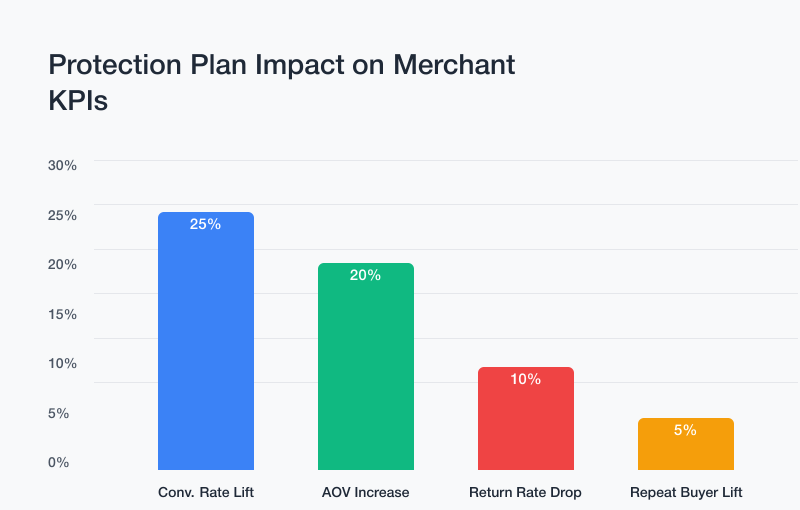
’re lowering the friction of the sale. Assurant data suggests that pushing this at the right moment can boost conversion rates by 25%. Why? Because you’ve just removed the fear of a bad investment.
But it
’s about more than the initial sale. It
’s about the long game. Extend’s research proves that customers who buy protection are 4.5% more likely to return for a second purchase. Think about that. You’re paying to acquire them once, and the protection plan keeps them tethered to your ecosystem.
And let
’s talk about returns. Nobody likes a return. A clear, service-based protection plan shifts the customer's behavior. They stop hitting the "Return/Refund" button and start calling for a repair or replacement. SureBright data indicates this can drop return rates by 10% and bump AOV by up to 20%.
The market for this is massive—estimated at nearly $170 billion by 2027 (Allied Market Research). So, stop hiding the warranty at the bottom of the checkout page. Make it a headline.
Stop viewing the post-purchase experience as a cost. Start viewing it as your most profitable retention strategy.
The Art of the Offer: How to Present Protection Without Diluting the Brand
Look, you're running a luxury brand. Not some discount bin operation. So, slapping a "WANT INSURANCE?" pop-up at checkout? That's just lazy. And it kills the vibe. It screams cheap. And, honestly, people get decision fatigue. They've just decided to spend serious cash. Don't hit 'em with another thing. Just don't.
But, you still want to make money on protection plans. Right? Because it's good for the customer. Good for your bottom line. So, how do you do it? You change when you ask. You move it. Far away from the main purchase button. That's the secret.
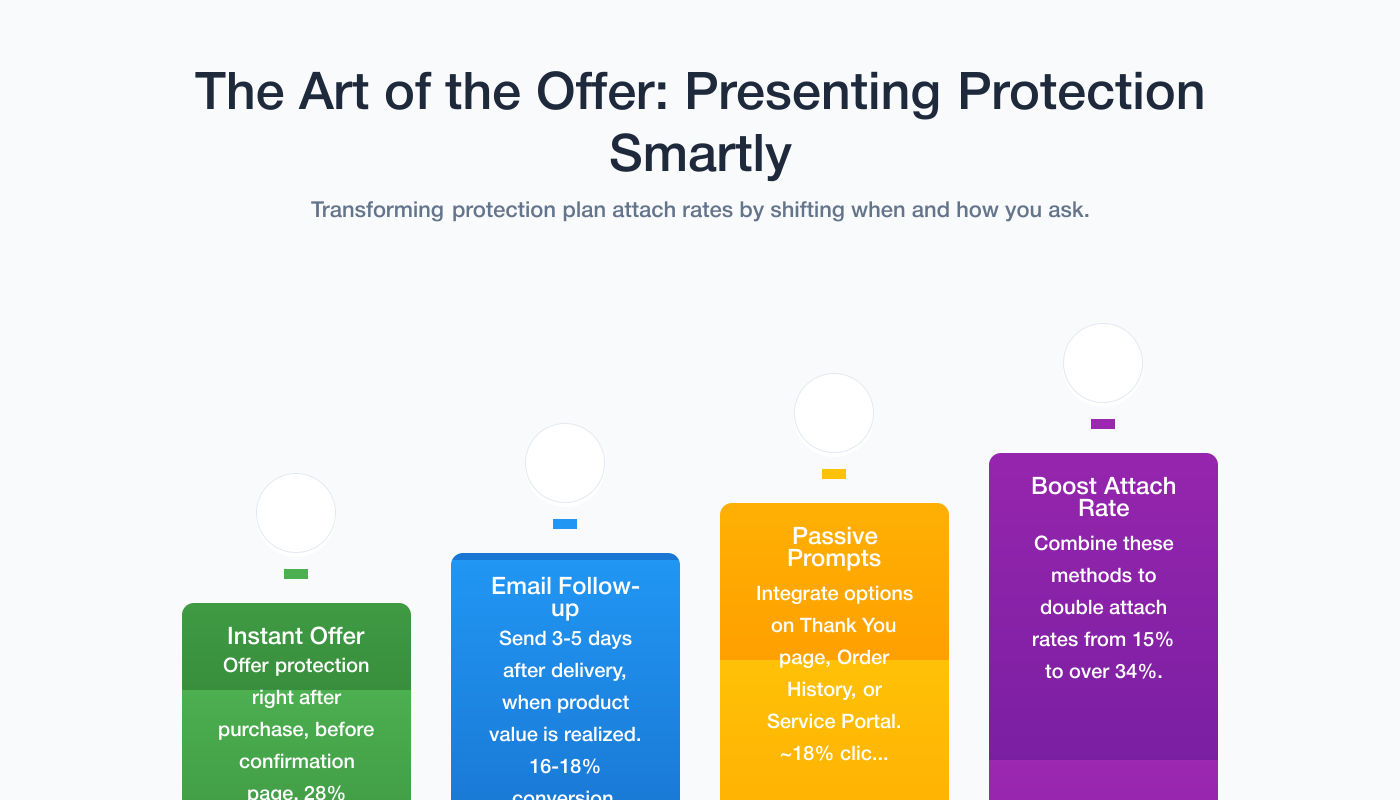
Here's the thing. The highest converting moment? It's after they've paid. Right after. Before the "order confirmed" page even loads. Call it an interstitial. A brief pit stop. And, boom, you hit them with a quick, clean offer. No pressure. Just, "Hey, you just bought something awesome. Wanna keep it awesome?" MyUmbrella's data (yeah, I check their stuff) shows these convert like crazy. We're talking 28% conversion rates. That's not a typo. Twenty-eight percent. Wild.
And, so, what happens next? They get the product. They unbox it. They touch it. Feel it. That's when it gets real. When the value sinks in. And, then, you hit 'em. With an email. Automated, sure. But not spammy. Not right away. Give it 3-5 days. Let them actually use the thing. Because that's when they'll actually care about protecting it. MyUmbrella backs this up, too. You get 16-18% conversion there. Solid.
But, maybe they're busy. Or just not ready. So, you keep it passive. Not pushy.
- Thank You Page. Stick a little widget there. Subtle. "Thinking about protecting your new gadget?" People will click later. It works. Like 18% of the time, I've seen.
- Order History. A quiet little option. For when they're logged in. Reviewing past purchases. Maybe they regret not getting it earlier.
- Self-Service Portal. If they're looking for help, they might think about prevention. Make it easy. One click.
- Brands baking in robust protection aren't just moving inventory. They're selling assurance. Real, tangible peace of mind. That builds trust. Creates repeat business. Good business.
- The market shifted. Permanently. Consumers are savvier, demanding. They see through flimsy guarantees. They demand lasting value. And they'll pay. (If it's actually there.)
And, yeah, you use all of it. Not just one. You stack these opportunities. Because if you only offer it at checkout, your attach rate is probably stuck around 15%. But, try doing it the smart way? Use all these post-purchase steps? You're going to double that. More than double that. We
’ve seen attach rates jump from 15% to over 34% by combining these. Seriously. It
’s about delivering value when they're ready to hear it, not just when your system is ready to ask.
The Buyer's Guide: When to Invest in Extra Protection
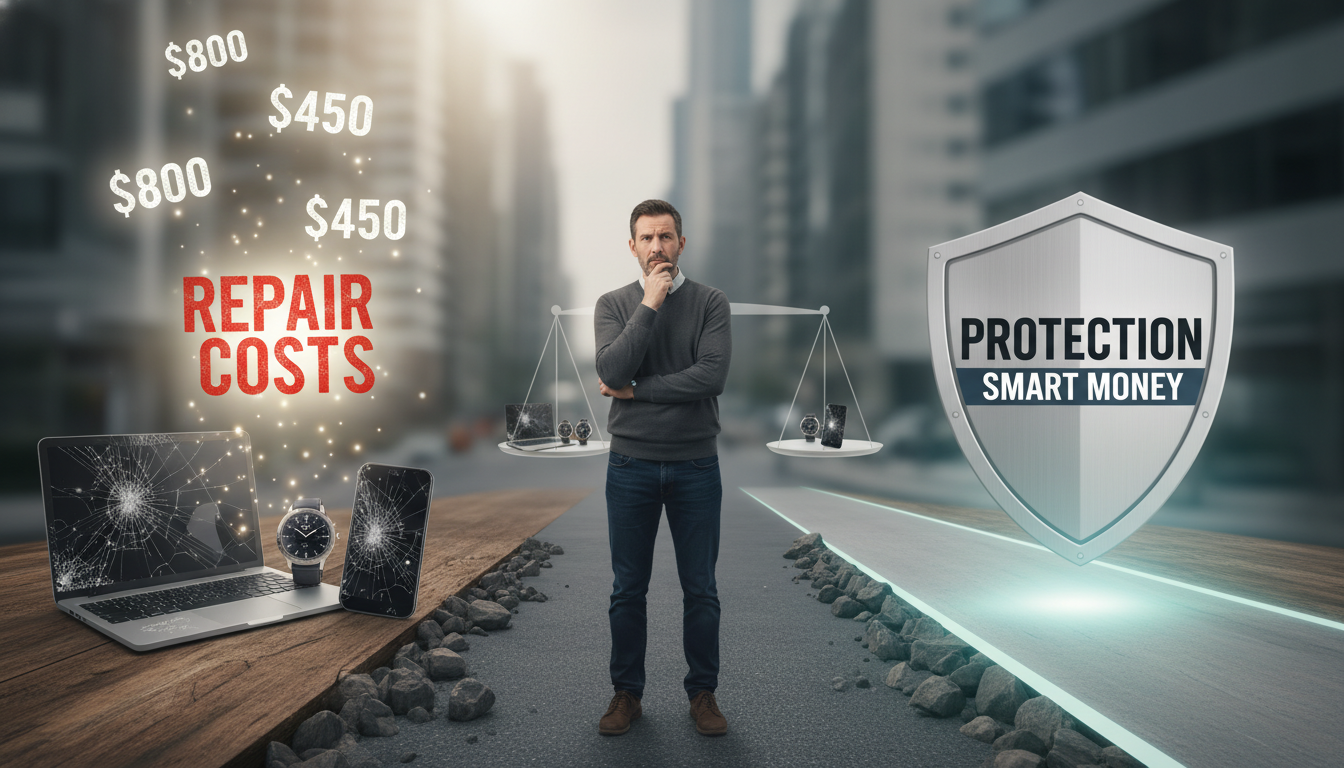
You bought the fancy watch. The killer sound system. Now you're wondering: Do I actually need a protection plan? Or is this just another upsell? Good question. Because nobody wants to throw money away. So, here's how you figure it out.
First, what is the thing? Because not everything needs it. But some stuff? Definitely. Personal electronics. Laptops. Phones. Even the fancy headphones. People want protection for those like crazy. 63% interest there. And big home appliances? Yeah, 51% are looking for it. Luxury goods? About 30%. Because if it
’s expensive and it's something you actually use daily, it's probably going to break. It's just a fact of life.
Then, think about the repair bill. If that thing breaks, what's it gonna cost you? Because repair costs are getting crazy. Seriously. Over 54% of people say repair costs have shot up by more than 30%. That's a huge jump. A single, stupid accident could cost you half what you paid for the item, or more. And that's just for the repair. A protection plan? That's your insurance policy against a single, painful financial hit.
And, look, where are you using this thing? Is it always on your desk? Or is it bouncing around in a bag? Or on your wrist? Every day? That fancy laptop. The portable speaker. Your expensive watch. Those items? They live a risky life. They get dropped. They get wet. Stuff happens. It's just how the world works. And, yeah, even a little scratch on a luxury item? That hurts. And costs a fortune to fix. Reddit's full of stories. Watch owners crying about insane repair bills and wait times. Not pretty.
Don't ever think just because it's a "premium" brand, you're safe. Please. That's a dangerous assumption. Whether it's a piece from The Stellaris Collection or another high-end brand, even the big names mess up. Their service might be slow. Or they might tell you to pay upfront. Or maybe they don't even have a service center nearby. A good third-party protection plan? That's a clear contract. It tells you exactly what they'll do. No surprises. And, let's be real, when something breaks, 33% of customers blame you, the retailer, not the manufacturer. So, you offer the fix. When the item is high-value, used constantly, or repair costs are a nightmare, a protection plan isn’t a luxury—it’s just smart money.
The Moment of Truth: Why the Claims Experience Defines Everything
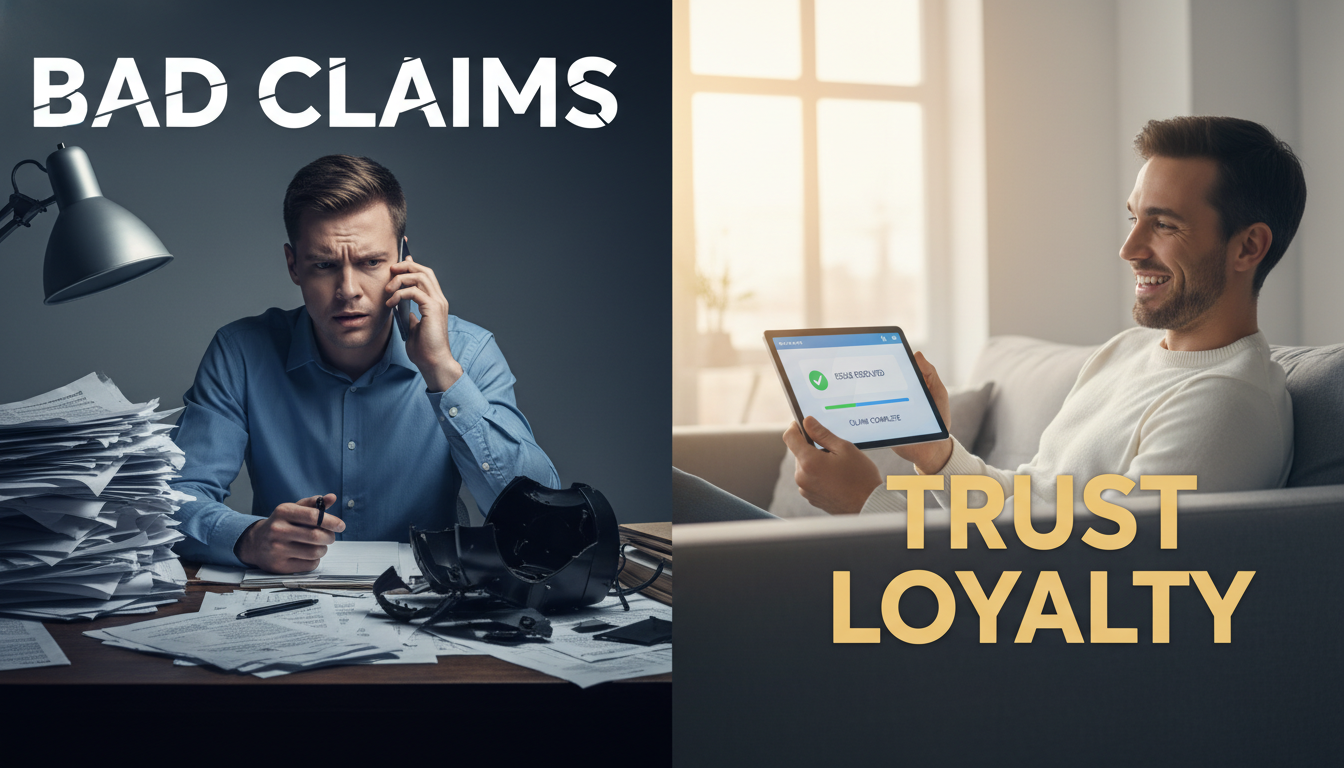
You can talk all you want about "peace of mind." About "value." But none of that means a damn thing until someone actually files a claim. This is where the rubber meets the road. This is the moment of truth. Because if that experience sucks? Everything else you ever said about your brand? Gone. Poof.
I mean, seriously. A good claims experience? It's like rocket fuel for loyalty. 83% of consumers will tell their friends about a brand after a good claim. They become your evangelists. Free marketing. And, hell, they trust you. Because you delivered. You made the abstract promise real.
But what if it's a nightmare? What if they make you jump through hoops? Or find your own technician? And pay upfront? We've all seen those Reddit threads. People absolutely losing their minds over terrible claims experiences. Furniture arriving damaged, and the company says "figure it out." Or, worse, they just ghost you. That kind of bad claims process? It doesn't just damage trust. It destroys it. Forever. You don't come back from that.
So, the modern way? It has to be smooth. Digital. Fast. No calling a dozen different numbers. No endless paperwork. Hawke Media talks about it all the time: approval in minutes, often virtual. That's what you need. That's what reflects well on your brand. Because when that protection kicks in, it
’s not just fixing a product. It's fixing a problem. For your customer. It
’s proving you actually care.
This is where the whole thing comes together. Or falls apart. The protection plan? It's just words on paper until someone needs it. Then, it becomes a tangible action. A direct extension of your brand. You either stand by your customers, or you don't. A quick, painless claims process isn't just a service; it
’s the ultimate, defining act of trust in your customer relationship. Don't mess it up.
Bottom line: if you think product protection is still just an add-on, you
’re missing the damn boat. Big time. It
’s not a suggestion. It's the cost of entry for anything remotely considered "luxury" today. Period.
Product protection isn't an add-on anymore; it's the cost of entry for any luxury brand serious about customer trust and lasting value.
We spent time picking apart the whole thing. From the shaky promise of expensive goods (yes, they still break) to how genuinely smart companies actually make money off this. And, critically, how savvy buyers are finally getting wise to who's playing straight.
You shell out serious cash. You expect performance. For a while. When it doesn't* perform? You expect a fix. Not a frustrating gauntlet of calls.
So, yeah. That's the new standard. Not ephemeral marketing fluff. It's foundational. Essential. Ignore it? Your competitor won't. (Count on it.)
It ultimately boils down to this simple truth: people pay for peace of mind. Always have. Just now, they
’re not afraid to ask for it upfront. Or take their hard-earned cash elsewhere when it
’s conspicuously absent.
Next step? Stop debating the 'if.' Start tackling the 'how.' Figure out your protection strategy. Now. Your brand's future, whether you're an established name or an emerging one like The Stellaris Collection, hinges on this. Don't get left behind.
