

The Art of Curating an Exceptional Watch Collection
The Stellaris Journal
Most folks think "collecting watches" means just buying whatever catches their eye. Flashy new release? Sure. Hype train pulling out of the station? All aboard! But here’s the truth, whispered by every seasoned collector I know (and frankly, yelled by me): that’s not collecting. That’s just acquiring. You’re not building a collection; you're stocking a drawer. And frankly, most of what’s in there is probably going nowhere fast, value-wise.
A real watch collection? That's an endeavor. A personal statement. It's thoughtful. It's strategic. This isn’t another "top ten watches to buy" list, thank God. We’re talking about something deeper, something meaningful: the actual art of curation. It's about knowing why you buy, not just what.
True watch collecting transcends mere acquisition; it’s a strategic, deeply personal journey of curation, driven by purpose and passion.
TL;DR
So, you're busy. I get it. Here's the crazy truth, the simple fix for this whole watch mess. It’s not complicated; just five crucial steps you need to master:
- First, define your why. Understand your actual reason for collecting so you don’t just buy impulsively. It’s your compass.
- Then, get smart. Research thoroughly, like a pro. Learn the terminology, or you’ll get taken advantage of.
- And then, buy smart. Dealers, pre-owned markets, auctions—each is a different beast. Learn their unique rules.
- But don't just hoard. Curate. Think of your collection like a portfolio. What to keep? What to divest?
- Finally, own it right. Protect your investment. This means proper servicing, secure storage, and adequate insurance, because mishaps happen.
- Research isn't optional; it's the goddamn foundation. Know your shit. Understand the movements, the provenance, the true market—not the one driven by hype boys on forums. Because ignorance costs money. A lot of it.
- And finally, this isn’t a storage locker. It’s a living thing. Your collection evolves. Sometimes that means trading up. Sometimes it means letting go of something that no longer fits. You curate, you manage. You don't just hoard.
Seriously, nail these five things. You'll be golden. Or just end up with expensive paperweights. Your call.
Brief: Beyond the Ticking Hands
Many people assume watch collecting is just a rich person's game, all fancy watches and big price tags. But that's a profound misunderstanding. This isn't some tiny niche; the global watch market is projected at 77.48 billion dollars in 2024 and is steadily expanding. While those are just numbers, they signify a vibrant, active world.
So, you want to collect? Don't just buy junk or whatever an influencer declares "hot." A real collection, a good one, isn't about how much you spent. It's about you, your story, what you find compelling, and what truly matters to you. This entire endeavor is a journey, a meticulously curated thing, not just filling a drawer with expensive items. Even Reddit understands the sentiment: less junk, more meaning. It’s sound advice, and I'm going to show you how to transition from simply owning a few watches to building something meaningful, free from wild speculation or regrettable purchases, a philosophy we champion at The Stellaris Collection.
Your watch collection? It's your personal history, displayed on your wrist. Build it with intention and intelligence.
The 'Why' Before the 'Buy': Defining Your Collecting Philosophy

Buying watches without a coherent plan is a surefire way to quickly deplete your funds. Far too many enthusiasts jump in, swayed by a flashy advertisement or a friend's new acquisition, pulling out their credit cards without a moment's thought. This path inevitably leads to a drawer full of expensive, regrettable impulse buys—a true collection killer I’ve witnessed countless times.
Your collecting philosophy is your compass, your North Star. It answers the fundamental question: "Why am I doing this? What's the ultimate purpose?" Without that clarity, you're merely adrift in a vast, noisy market, aimlessly acquiring whatever momentarily catches your eye. This market, by the way, is far from shrinking; it’s projected to exceed $120 billion by 2033. Amidst such overwhelming noise and countless shiny objects vying for your attention, you need a robust filter. Otherwise, you'll simply buy what's popular, what everyone else has, rather than what genuinely resonates with you. GQ magazine strongly advises against succumbing to trends and peer pressure—seriously, heed that advice. And Reddit is rife with stories of people lamenting excessive, unfulfilling purchases, highlighting that shopping addiction is real and extends to watches, often with much larger financial implications.
So, truly, what kind of collector are you? Are you a devoted brand enthusiast, like an all-Rolex devotee? Or is your passion rooted in function—chronographs, GMTs, dive watches? Perhaps history captivates you, like WWII field watches with rich backstories. Or maybe it's a specific aesthetic, such as blue dials, that truly speaks to you. Discover something specific, something yours, not someone else’s idea of cool. A focused path cuts through all the marketing noise, keeps you grounded, protects your finances, and ultimately helps you build something genuinely worthwhile.
Your 'why' isn't optional. It’s the only way to build a collection that actually means something, not just a pile of expensive metal collecting dust.
From Consumer to Connoisseur: Mastering the Art of Research
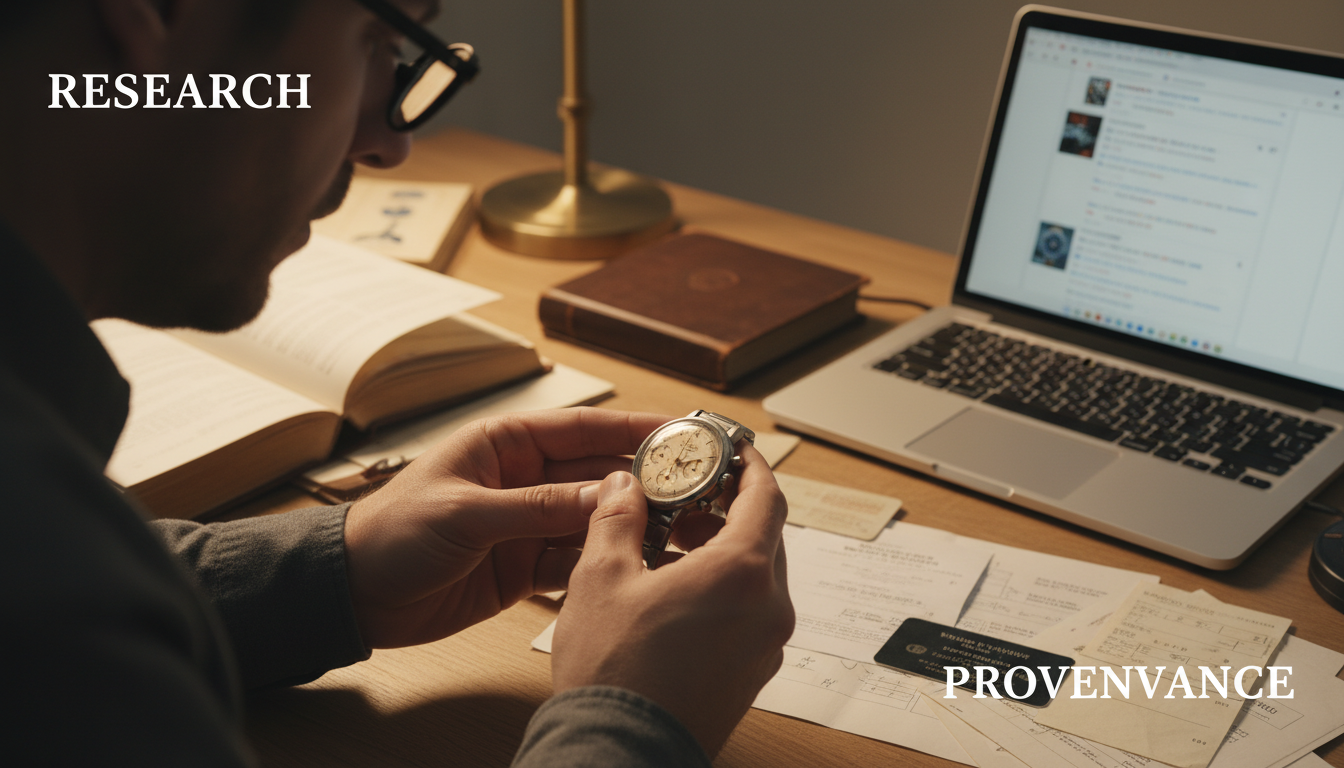
Alright, you've defined your 'why.' Excellent. Now comes the real grind: research. Because simply having capital is a fast track to costly mistakes, whether it's buying a fake or overpriced junk. You absolutely must learn the lexicon, the intricate language spoken in the watch world. 'Reference numbers,' 'complications' (the additional functions watches perform, like chronographs or GMTs), 'movements' (quartz versus mechanical – a critical distinction). These aren't just fancy words; they are essential.
And where do you look? Not just Instagram, please. Go to the genuine experts: HODINKEE, Fratello. These publications are goldmines of knowledge. WatchUSeek forums? That's where the truly passionate, often obsessive, collectors congregate. But here's the crucial caveat about doing your homework: you cannot rely solely on online pictures. That's a dangerous, truly ill-advised approach. A watch must feel right on your wrist; it must resonate with you. And no photograph, no matter how exquisite, can convey that sensation. GQ states it perfectly: 'Get your hands on as many watches as possible'. So, visit stores, try pieces on, experience them in person. This isn't merely about looking cool; it's about averting massive regret. ECI Jewelers even provides checklists for this—that's how serious this step is.
And if you’re considering pre-owned pieces? That’s where the sharks swim. You need provenance: papers, the original box, warranty cards, all the associated documentation. Fakes are ubiquitous. And some vintage pieces might be over-polished to the point of compromising their original integrity.
Seriously, thorough research is your only real shield in this market. Utilize it, or prepare to endure financial pain.
The Hunt: Navigating the Three Paths of Acquisition
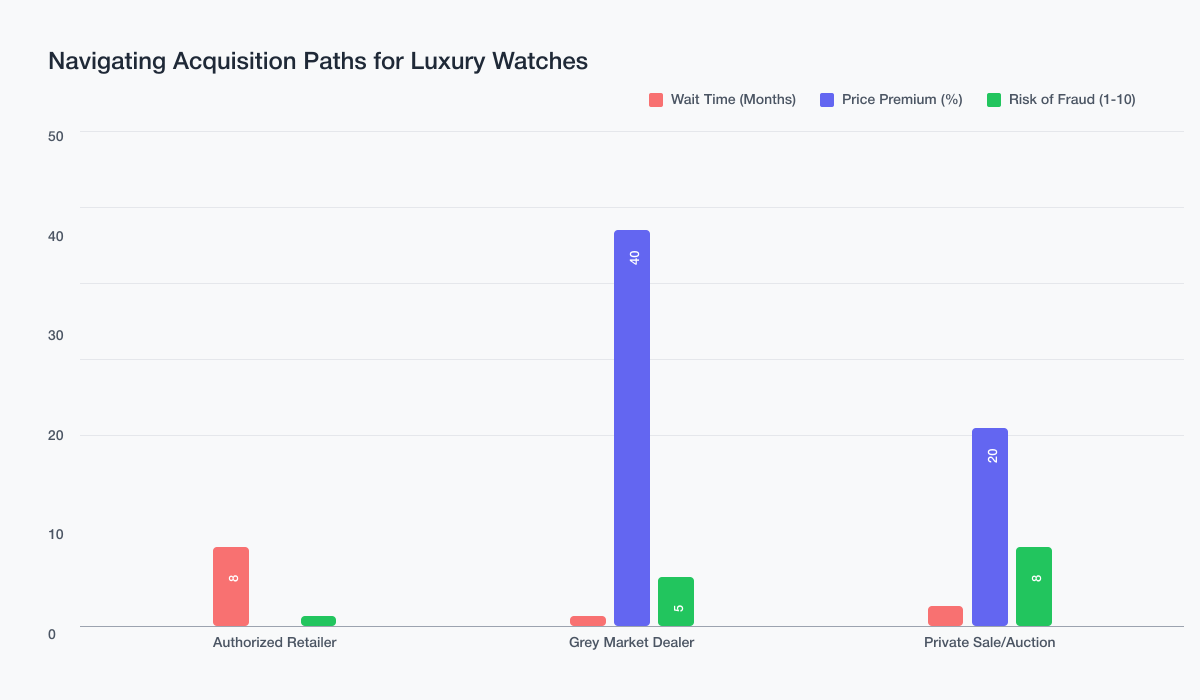
So, you desire a watch? A beautiful one, perhaps with a touch of flash or a rich history. The reality is, acquiring the finest pieces is no longer as simple as walking into a store. This entire process is a complex game, and you must understand its rules to avoid being fleeced or enduring endless waits.
Understanding the nuances of each acquisition channel is critical for navigating the watch market successfully.
Authorized Dealers (ADs): The Waiting Game
Authorized Dealers are theoretically the primary source for new watches, offering full warranties and direct brand access. However, attempting to simply walk in and purchase a hot model is often futile. Many are "for exhibition only," as GQ Magazine has highlighted. If you seek a Rolex or a Patek, prepare to build a "relationship," which often translates to purchasing other less desirable items or enduring waits that can span years. ECI Jewelers confirms this reality, acknowledging it as a brutal entry point. You're not just buying a watch; you're buying into a fantasy and exercising extreme patience.
The Pre-Owned Market: Immediate Gratification (with a Catch)
Fortunately, there’s an alternative: the pre-owned market. This avenue offers discontinued models, vintage treasures, and even those highly sought-after, waitlisted pieces. If you want it now, you can likely get it now, often at a more favorable price. The catch? Trust and verification. You cannot simply buy from an unknown seller in an unregulated environment. Fakes are pervasive. You require reputable dealers, clear authenticity guarantees, and platforms like Chrono24 exist for this precise reason. ECI Jewelers emphasizes "trust and verification" for good reason; the pre-owned market is a wild west that demands savvy navigation.
Auction Houses: For the Pros (And the Deep Pockets)
Then there are auction houses. This domain is not for the casual buyer; it's reserved for serious collectors pursuing rare items and pieces with profound historical significance. Here, an intimate knowledge of market values is indispensable. A critical consideration is the buyer’s premium, an additional fee that can add 20-25% (or more) to the hammer price, as ECI Jewelers cautions. What initially appears to be a good deal can quickly escalate. This path demands specialized skill and the financial wherewithal to invest wisely.
Curating, Not Just Collecting: How to Evolve Your Watch Portfolio
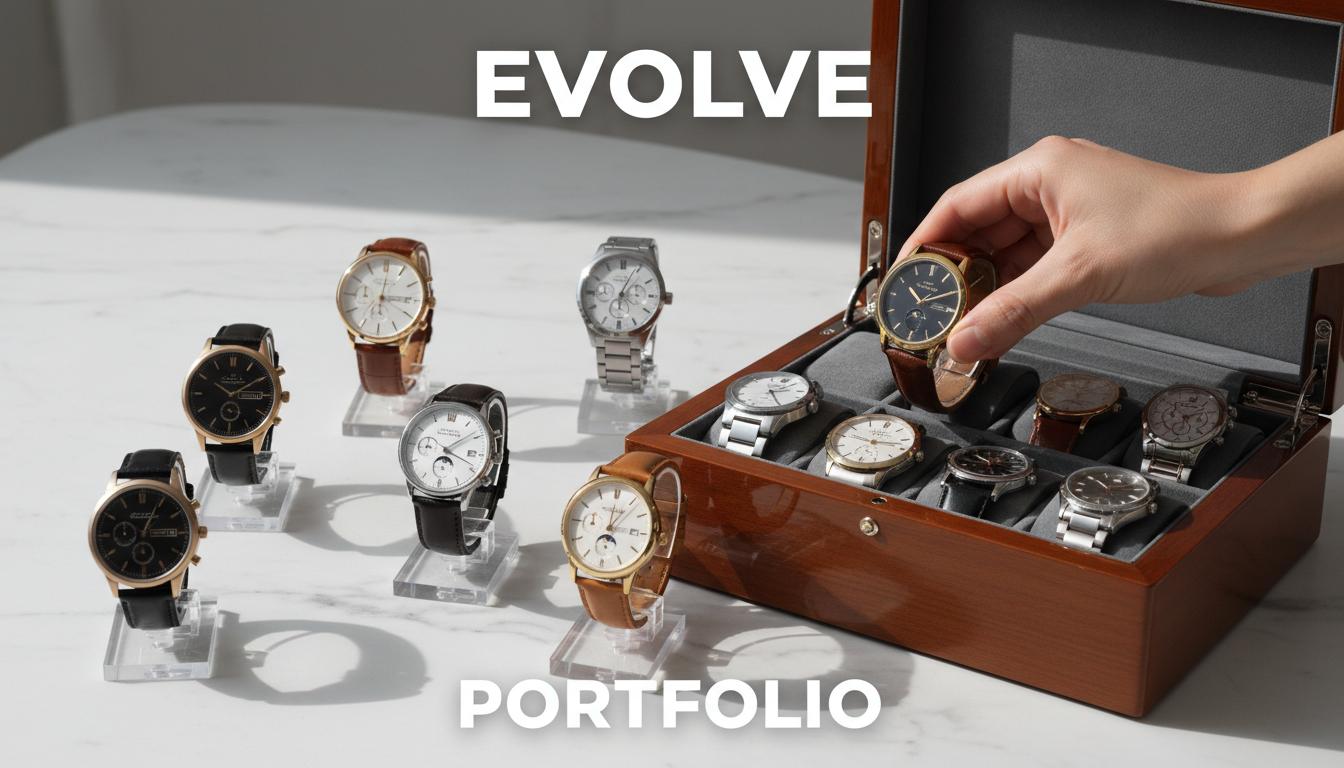
Your collection is never truly "done." Seriously, dismiss that notion. As you change, so do your tastes, and your watches should reflect that evolution. This isn't a static display; it’s a living entity, or at least it should be.
Your watches aren't souvenirs; they're a dynamic portfolio that requires active management and thoughtful evolution.
Trading Up: Less is More
Sometimes, divestment is necessary. Holding onto numerous "good" pieces can actually hinder your ability to acquire that one "grail" watch. Consider selling a few, or trading them in. ECI Jewelers refers to this as "trading up," a strategy that consolidates your impact, making your collection tighter, more focused, and ultimately, more impressive. Why settle for three decent watches when you could possess one truly exceptional one?
Selling Smart: The "Full Set" Power Play
When the time comes to sell, do it intelligently. Presentation is paramount. A "full set"—comprising the original box, all papers, tags, and every accompanying accessory—is crucial. As ECI Jewelers clearly states, a full set can boost your resale value by 20% or more. Twenty percent! That’s substantial money, not mere pocket change. It verifies authenticity, demonstrates diligent care, and buyers actively seek such completeness.
Asset-Aware: It's Money, Buddy
Look, your passion for these watches is understandable. But don't be naive; this is also an asset, and a growing one at that. ECI Jewelers projects the luxury watch market to reach nearly $135 billion by 2032. Billion! So, yes, cherish your watches, but also think like an investor. A smartly curated collection isn't just aesthetically pleasing; it's financially prudent.
The Collector's Responsibility: A Practical Guide to Preservation
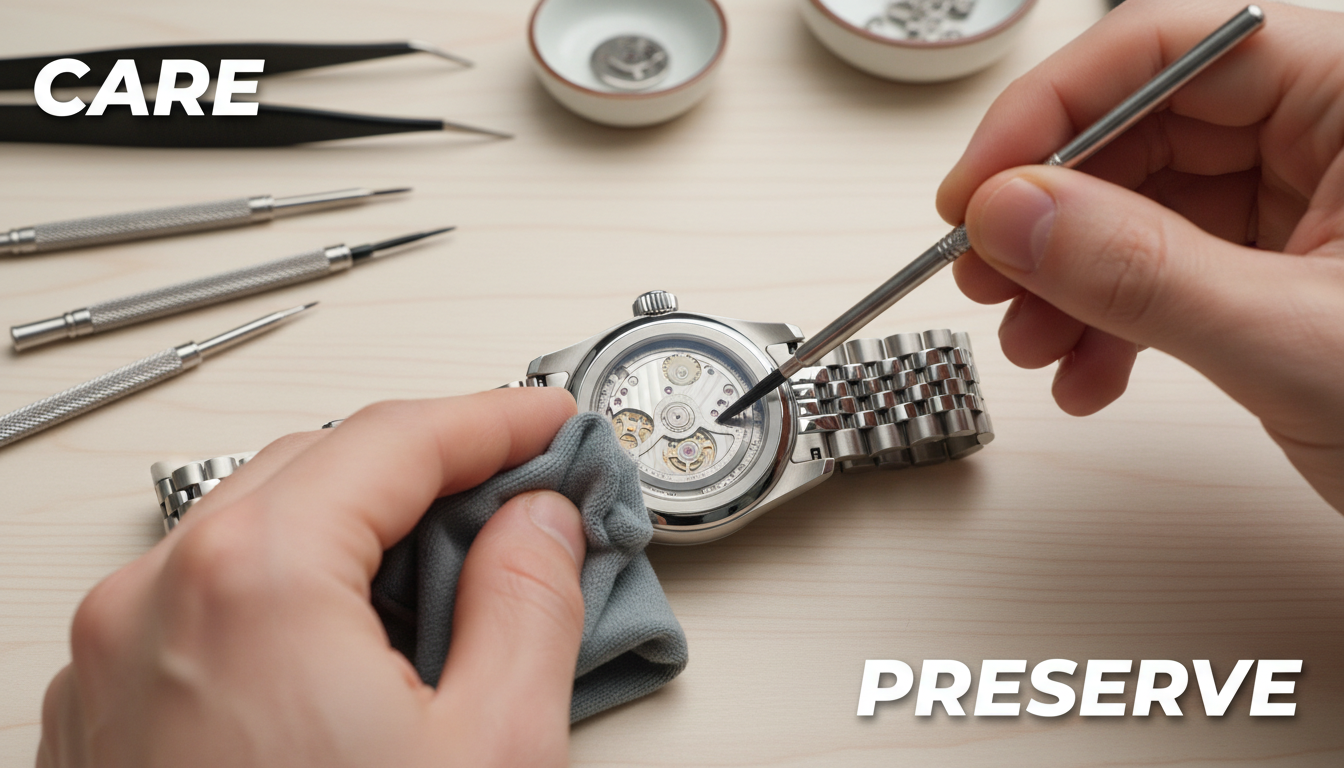
So, you’ve finally acquired your dream watch. Fantastic. Now what? The purchase was the easy part; the real work begins now. These aren't just fashion accessories; they are complex, miniature machines requiring diligent care. Neglect them, and they quickly become expensive paperweights.
Owning fine watches extends beyond mere possession; it's a profound responsibility to protect and maintain these intricate investments.
Servicing: The Heartbeat
Mechanical watches demand attention. They are akin to tiny engines. You wouldn't skip oil changes for your car, so why would you neglect your watch? Most brands recommend a full service every five to seven years, a fact confirmed by ECI Jewelers. This isn't a cheap undertaking; costs can range from five hundred to over fifteen hundred dollars, or more, per watch. Factor this into your budget. Failure to do so will compromise accuracy, accelerate wear and tear, and ultimately devalue your investment. Don't be that person.
Storage: Keep It Safe
Then there's storage. Simply tossing a watch on your nightstand or leaving it in a drawer is irresponsible. Moisture, magnetism, and physical damage are all detrimental. The Watch Protect advocates for proper storage. A decent watch box is the absolute minimum. For anything truly valuable, a home safe is non-negotiable. Seriously. If it disappears or gets damaged, the responsibility is yours.
Insurance: Your Homeowner's Is a Joke
And insurance. Oh boy. Your standard homeowner’s policy is often inadequate, borderline useless. Most policies cap coverage at a paltry fifteen hundred dollars for an entire collection, as ECI Jewelers meticulously details. This amount won't even cover one decent piece. You absolutely need a "rider" added to your existing policy or, ideally, a specialized policy from providers like Jewelers Mutual. If your watch disappears or is destroyed, you want to be fully covered. It's simply non-negotiable.
The Collector's Shadow: Avoiding Obsession and Financial Folly

We all share a deep love for watches. But there’s a thin, dangerous line between genuine passion and outright obsession. Cross it, and things can quickly turn ugly—financially, emotionally, comprehensively. This hobby has the potential to consume you entirely.
Don't let the pursuit of watches define you; remember that your life's value extends far beyond any collection.
The Compulsion Trap: FOMO is a Monster
The constant hunt for deals, the rush of securing something "rare"—it's genuinely addictive. And the fear of missing out (FOMO) is a formidable monster. One Reddit user on r/shoppingaddiction candidly admitted, "I hunt for deals and clearances almost obsessively." Does that resonate? It's a slippery slope, and the fall can be severe.
Not an "Investment": A Dangerous Lie
Here’s another inconvenient truth: stop labeling every watch an "investment." Most of them aren't. GQ Magazine directly quotes experts warning against viewing watches "solely as investment opportunities." Markets cool, trends shift. If your sole motivation for purchasing was profit, and the market tanks, you're left with an expensive item you actively dislike, even resent. Because you didn't love the watch itself; you loved the idea of profit, and that's a perilous delusion.
"I Can Always Sell It": The Shopping Addict's Anthem
"Oh, but I can always sell it later." How many times have you uttered that phrase? Often, it's merely a justification for a burgeoning shopping addiction, leading to financial strain. Suddenly, your life becomes cluttered, not just with watches, but with stress. A user on r/personalfinance, facing a potential layoff, chose family stability over a risky higher-paying job. And Reddit's minimalism subreddits consistently question the need for multiple watches. Because sometimes, life delivers a harsh blow, and that shiny new watch suddenly loses its appeal.
Frequently Asked Questions
What makes a collection?
It can be one watch, or a hundred. Honestly, it's up to you. But for most enthusiasts, three to five solid pieces is a commendable starting point. ECI Jewelers often discusses this concept.
Do I really need to keep the box and papers?
Absolutely. Keep them safe. Losing them will directly cost you money. When you sell, a "full set" significantly enhances resale value, often by 20% or more.
New or pre-owned? Which one's better?
It depends on your preferences and tolerance for waiting. New from an Authorized Dealer offers the full, factory experience. However, pre-owned provides immediate access, often better prices, and a greater variety of models. Just be judicious in choosing your dealer. ECI Jewelers offers extensive insights on this topic.
What's the best watch for a beginner?
The one you genuinely love and will actually wear. Don't immediately chase hype trains. Take the time to discover what you like and what fits your personal style. Start there.
Get in the game. But don't let it consume you.
*
Alright, so you’ve processed all of that. Good. Because if you still believe collecting watches is simply about throwing cash at every shiny new release, you’re fundamentally missing the point. It’s not about accumulation; it’s about intent.
Here's the real skinny, stripped down:
Don’t start with a shopping list. Start with a why*. A genuine, personal reason for every piece. Is it history? Engineering prowess? Pure, unadulterated aesthetic joy? Figure it out first. Everything else follows—or it should.
Ultimately, a truly exceptional collection isn't about bragging rights. It's a profound reflection of you.
So, what's next? Go look at your watches. And if you’re unsure about the next move – whether selling, buying, or simply valuing what you've got – find someone who truly knows their game. Someone with a proven track record. Because navigating this world, especially when serious money is on the line, demands unwavering trust and genuine expertise, not just a handshake, which is a core value at The Stellaris Collection.
